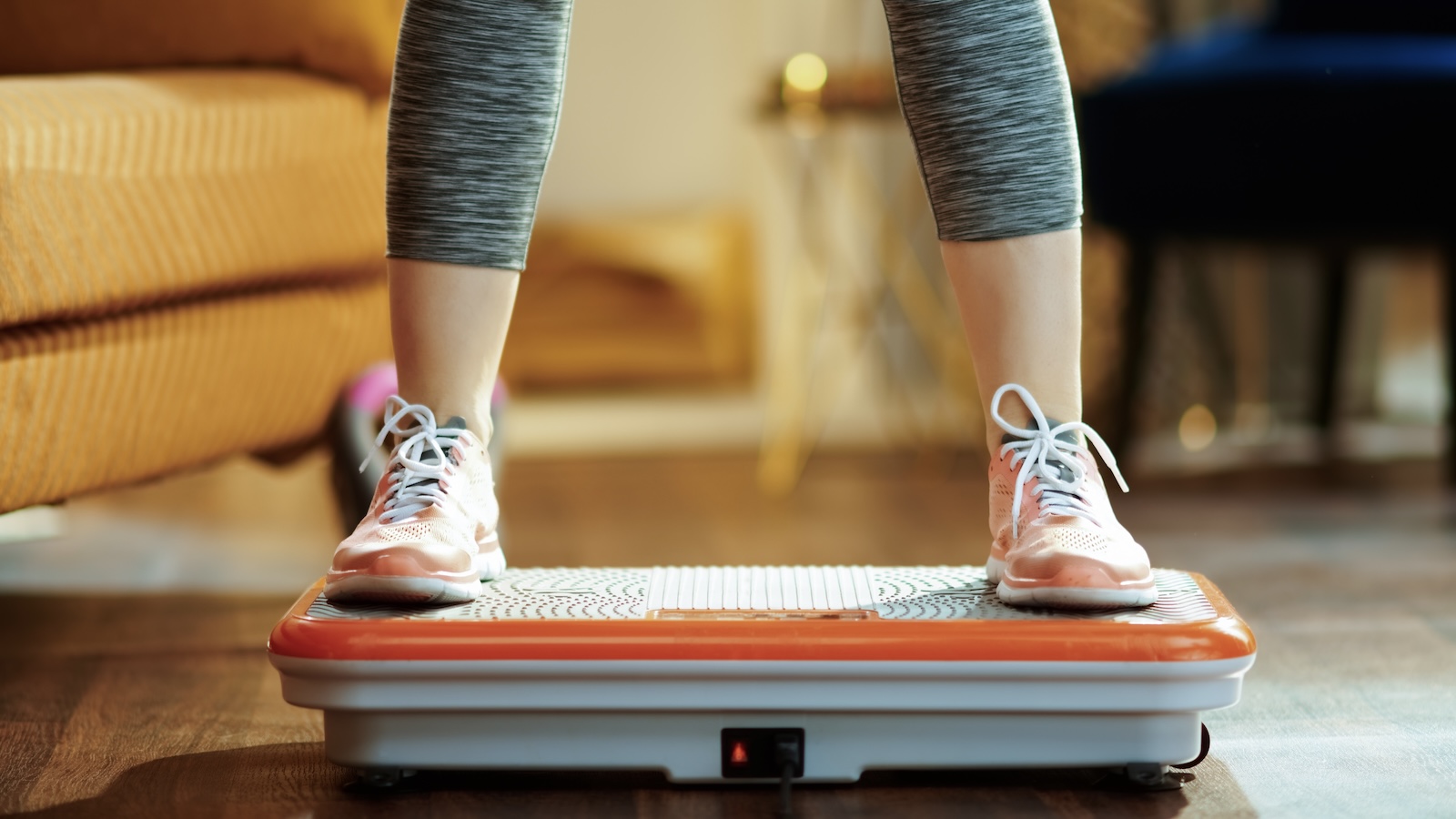

Vibration plates can be useful for some things, including low-impact rehab and certain types of chronic back pain. But many of the claims taking off on social media, like lymphatic drainage and cellulite reduction, don’t have much research behind them.
The machine itself matters too. Some consumer plates run vibrations well above safe limits, and not every claim on the box comes backed with proof.
We asked Etny Candelario, MD, with Hartford HealthCare Medical Group, to explain what vibration plates actually do and who they’re right for.
“I get asked about vibration plates a lot, especially since they blew up on TikTok,” says Dr. Candelario. “There’s a big gap between what people think these machines do and what they actually do.”
Virtual care - when and where you need it
1. Back pain is where vibration plates have the strongest evidence
Chronic low back pain is the use case with the most consistent research behind it.
There is a caveat though. The vibration training that shows real results is typically done under guidance, at calibrated intensity and as part of a broader rehab plan. Standing on a plate while watching TV won’t necessarily give you the same results.
“Consumer plates can mimic some of that, but they’re not the same as the clinical equipment used in physical therapy settings,” notes Dr. Candelario. “The settings and support aren’t equivalent.”
If you’re planning to try a vibration plate for your back pain, give it at least six weeks of consistent use before deciding whether it’s working. And if your back pain hasn’t improved by then, see a provider before continuing.
> Related: 8 Daily Habits That Help Prevent Back Pain
2. Lymphatic drainage claims don’t hold up
The biggest claim about vibration plates on TikTok is that they improve lymphatic drainage and reduce lymphedema. But there’s no credible evidence behind it.
“Lymphedema is a real medical condition,” explains Dr. Candelario. “It requires actual medical treatment.”
The cellulite angle falls apart the same way. A vibration plate is not a targeted cosmetic tool. Some people see modest body composition changes from regular use, but that’s a side effect of movement, not a feature of the machine.
Want a Weekly Dose of Health News?
3. Some vibration plates exceed safe vibration limits
Vibration plates can vary quite a bit from one model to the next. Some consumer models run at frequencies up to seven times higher than safe occupational health limits.
High-frequency vibration over extended periods is associated with joint damage, nerve impingement and worsening of certain musculoskeletal conditions.
“The specifications matter here,” adds Dr. Candelario. “If a machine doesn’t publish its vibration frequency and amplitude, that’s a red flag.”
If you feel dizziness, increased pain or unusual joint discomfort after using a vibration plate, stop and see a provider before continuing.
> Related: 10 Wellness Trends Everyone’s Trying Right Now. Here’s What Actually Works
4. Vibration plates work best for sedentary adults and people in rehab
Vibration plates make the most sense for two groups: sedentary adults who need a low-impact way to work on strength and balance, and people in post-injury rehabilitation who have been cleared by a provider to add it.
For people who already exercise regularly, adding a vibration plate doesn’t meaningfully improve outcomes on top of a normal routine.
“If someone is already active, I wouldn’t tell them to spend hundreds of dollars on a vibration plate,” shares Dr. Candelario. “That money does more as a gym membership or a session with a physical therapist.”
And if you have osteoporosis, a history of joint issues or are pregnant, get clearance from your provider before trying one.