
Protein is everywhere right now. From bars to shakes, it’s marketed as the solution for everything from hunger to energy.
But more isn’t always better, and not all of the protein advice you hear has been well vetted.
“Protein is an essential nutrient, but there’s a lot of misinformation about how much people need and how it should fit into a balanced diet,” says Christopher Barrett, RD, with Hartford HealthCare. “Focusing on quality and consistency is far more important than chasing trends.”
So before you load up on more protein, let’s break down six protein myths that may be steering you in the wrong direction.
1. More protein is always better
It’s only logical: if protein is good for you, more must be better. But that’s not always the case.
“Protein typically comes with fat, which can increase how many calories are in that meal,” Barrett says. “More protein doesn’t always mean more benefits, especially if it comes with extra calories and larger portions.”
There’s another reason piling on extra protein may not help: your body can only use so much of it.
“Your body can only use a certain amount of protein at a time for muscle repair and other functions,” Barrett says. “Excess protein doesn’t necessarily translate into additional benefits, especially if it’s crowding out other important nutrients.”
That doesn’t mean protein isn’t important, but eating the correct amount matters just as much.
“Overloading on protein can mean you’re missing out on fiber, healthy fats and carbohydrates that your body also needs,” Barrett adds. “A well rounded plate supports overall health, not just one nutrient in isolation.”
Instead of piling it on, aim to include moderate amounts of protein consistently throughout the day.
> Related: How Much Protein Do I Need to Build Muscle?
2. You only need protein if you’re actively trying to build muscle
Protein is often associated with athletes and bodybuilders. But your body relies on it for much more than muscle growth.
“Protein plays a role in immune function, hormone production and tissue repair,” Barrett says. “It’s important for everyone, regardless of activity level.”
Even if you’re not hitting the gym every day, your body still needs protein to function properly.
“Getting enough protein can also help with satiety, meaning you’ll feel fuller for longer and may be less likely to have cravings throughout the day,” Barrett says. “That’s helpful for energy levels and overall eating patterns.”
Make sure each meal includes a source of protein, not just your post-workout snack.
> Related: 7 Protein-Packed Foods to Add to Your Diet
3. Plant protein isn’t as good as animal protein
Some plant proteins are considered “incomplete” because they don’t contain enough of all nine essential amino acids your body needs from food. But that doesn’t mean plant protein is less healthy or can’t meet your needs.
“Plant proteins can absolutely meet your needs when you eat a variety of them,” Barrett says. “Foods like beans, lentils, tofu and whole grains provide not just protein, but also fiber and important micronutrients. They also tend to be lower in saturated fat and support heart health.”
The key is variety. You don’t need to get every essential amino acid from one food or even one meal.
“When you combine different plant proteins throughout the day, you can easily get all the essential amino acids your body needs.”
Try mixing your plant-based proteins together, like rice with beans or peanut butter with whole grain bread. And don’t be afraid to try adding a plant-based protein to your animal-based protein, like blending white cannellini beans into your turkey burgers.
> Related: Is Plant-Based Protein as Good as Meat for Building Muscle?
4. Protein shakes are part of a healthy diet
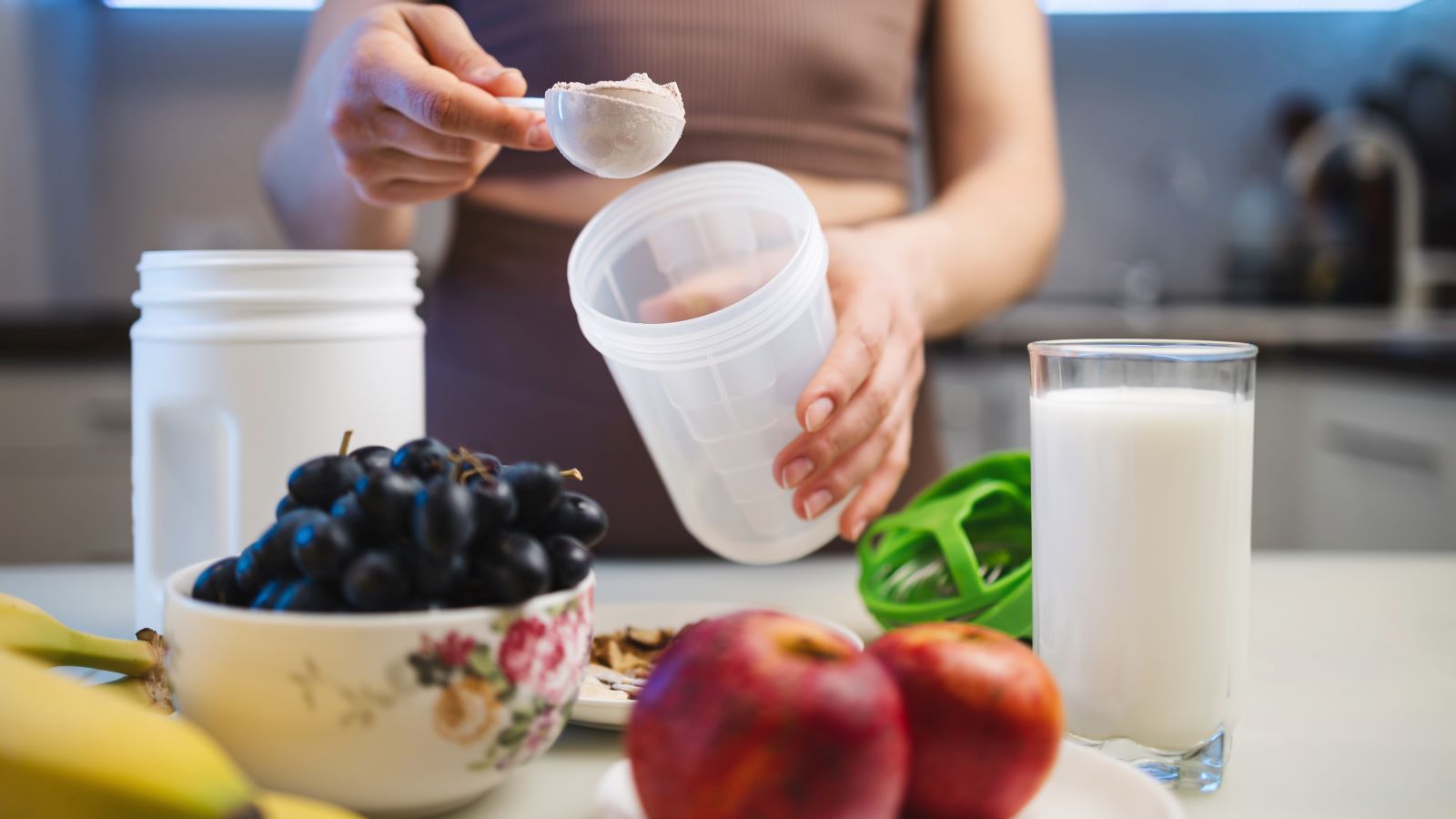
Walk into any grocery store, and you’ll see shelves full of protein powders and drinks. But most people don’t actually need them.
“For the average person, it’s very possible to meet protein needs through whole foods,” Barrett says. “Shakes can be convenient, but they’re not essential.”
Plus, whole foods don’t just offer protein, they also have a range of other nutrients your body relies on.
“Foods like eggs, yogurt, chicken, fish, beans and nuts deliver protein along with vitamins, minerals and healthy fats,” Barrett notes. “That combination is more beneficial than relying on supplements alone.”
Want a Weekly Dose of Health News?
5. You should eat all your protein at dinner
It’s common to save protein for the end of the day, like a big portion of meat at dinner.
“Spreading protein intake throughout the day helps your body use it more effectively,” Barrett says. “It supports steady energy levels and muscle maintenance.”
In fact, front-loading your day with protein can be the better choice.
“Starting your morning with protein — like eggs, yogurt or nut butter — can help stabilize your blood sugar and reduce mid-morning crashes,” Barrett adds. “It sets the tone for more balanced eating throughout the day.”
Aim to include protein at every meal instead of relying on one large portion.
> Related: Diet vs. Exercise: What Matters More for Your Health?
6. All high protein foods are healthy
Just because a food is high in protein doesn’t mean it’s healthy. Some come with added sodium, saturated fat or processed ingredients.
“Foods marketed as high protein can still be highly processed,” Barrett says. “It’s important to look at the overall nutritional profile, not just the protein content.”
That means being mindful of things like processed meats or heavily packaged snacks.
“Choosing lean proteins and minimally processed options supports heart health and overall wellness,” Barrett adds. “Think grilled chicken, fish, beans, lentils and low-fat dairy instead of relying on processed options.”
When in doubt, focus on whole, simple ingredients.
> Related: Can You Eat the Same Meals Every Day and Still Be Healthy?
Don’t let your protein goals become an obstacle
Protein is important. But clearing up common protein myths can help you see where it fits into the bigger picture.
“Healthy eating is about balance, not extremes,” Barrett says. “Protein should be part of a plate that also includes vegetables, whole grains and healthy fats.”
And consistency matters more than perfection.
“Small, sustainable habits, like including protein in each meal and choosing a variety of sources, are what make the biggest difference over time,” Barrett adds.