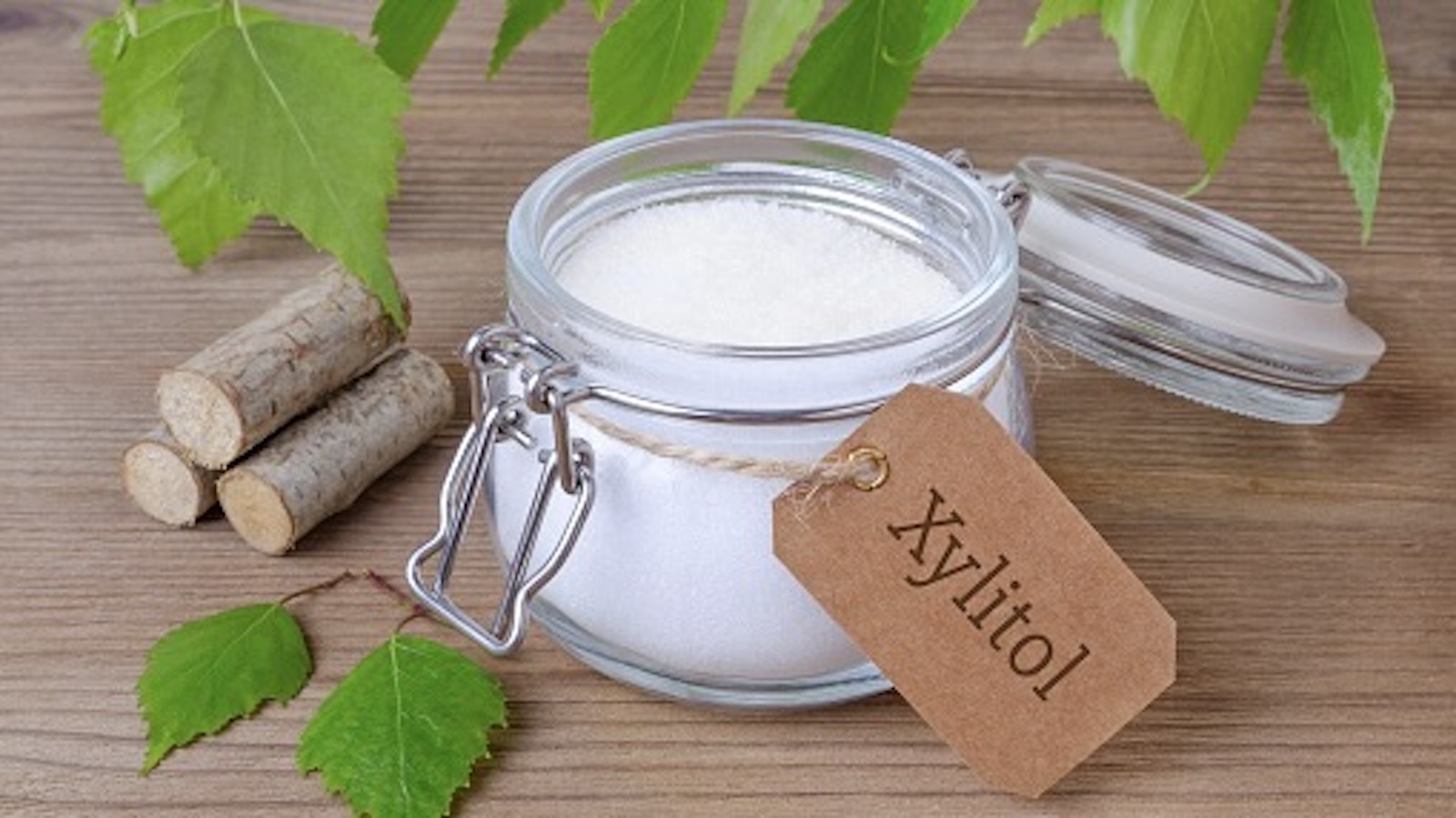

Sugar-free food might feel like the right choice for your health, but one common sugar substitute is raising questions about heart health.
New research has linked Xylitol, found in everything from sugar-free gum to keto cookies, to a higher risk of heart attack, stroke and cardiovascular death.
And because xylitol is hidden in many products, you may be consuming more of it than you realize.
“Xylitol has been around for a long time, so this isn’t a brand-new ingredient people suddenly need to be afraid of,” says Corey Krawec, RD, with Hartford HealthCare. “But if you eat a lot of sugar-free or low-sugar products, it’s worth knowing how often xylitol may be showing up in your diet.”
Researchers are still trying to understand how xylitol affects your heart and whether regular intake could increase cardiovascular risk over time.
Here are six common places you may find it.
1. Sugar-free gum or mints
Xylitol has been a popular choice of chewing gum and mint sweetener, and it and it has nothing to do with calories.
Unlike regular sugar, xylitol isn’t easily used by the bacteria in your mouth that contribute to cavities. It also increases saliva, which helps neutralize acids in your mouth.
Because of those benefits, you may even see xylitol advertised on some packaging.
“Xylitol is a good example of why nutrition isn’t always black and white,” Krawec says. “An ingredient can have a benefit in one area of health while researchers continue studying how it may affect another.”
> Related: Here’s What Diet Soda Does To Your Body: 7 Side Effects
2. Keto, sugar-free or low-carb sweets
Xylitol can be easy to miss in foods marketed as keto, low-carb or low-sugar.
Cookies, brownies, muffins, ice cream and other packaged foods still need sweetness after much of the regular sugar is removed. Sugar alcohols like xylitol can help provide it while having less of an impact on blood glucose than traditional sugar.
But a low-sugar label doesn’t automatically make a product healthier.
“Replacing sugar can be helpful for some people, but that doesn’t turn candy into a health food,” Krawec says. “It’s still important to look at how often you’re eating these products and what else makes up the majority of your diet.”
Sugar alcohols can also cause gas, bloating or diarrhea in some people, especially in larger amounts. So if a low-sugar snack or dessert leaves your stomach unhappy, the sweetener may be worth checking.
Want a Weekly Dose of Health News?
3. Some peanut and nut butters
Most peanut and nut butters have a short ingredient list. But some reduced-sugar, low-carb or specialty versions use xylitol to add sweetness.
That can make it an easy source to overlook, especially if nut butter is something you eat every day.
“When you see a product that’s lower in sugar, it’s worth asking what was used instead,” Krawec says. “That doesn’t mean the replacement is automatically bad, but it helps you understand what you’re actually eating.”
> Related: Does Sugar Cause Cancer?
6. Chewable vitamins and medications
Xylitol can also show up outside the food aisle.
It can also be used to sweeten products that otherwise wouldn’t taste very appealing, including some chewable vitamins, cough syrups, supplements and over-the-counter medications.
Some chewable vitamins, supplements, cough syrups and over-the-counter medications use it to improve taste. And because you may not think of a vitamin or medication as another source of sweetener, it can be easy to miss.
If you’re already getting xylitol from gum, candy or packaged foods, these products can add another source to your day.
“We still don’t know exactly what amount of xylitol, if any, would meaningfully change someone’s heart risk,” Krawec says. “Until we know more, awareness makes more sense than panic.”
> Related: Not-So-Sweet Link Between Sugar and Heart Disease
You don’t need to eliminate xylitol overnight
Higher blood levels of xylitol were associated with cardiovascular events, but researchers still don’t know what that means for the amounts people typically consume.
So there’s no reason to panic over an occasional piece of sugar-free gum or low-sugar snack. What matters more is how often xylitol and other sugar substitutes show up in your diet.
“If you’re thinking about heart disease and stroke prevention, focus on the bigger picture too,” Krawec says. “Three of the most important things you can control in your diet are sodium, saturated fat and fiber.”
That means eating fewer salty, packaged foods, choosing healthier fats and getting more fiber from whole grains, fruits, vegetables and beans.