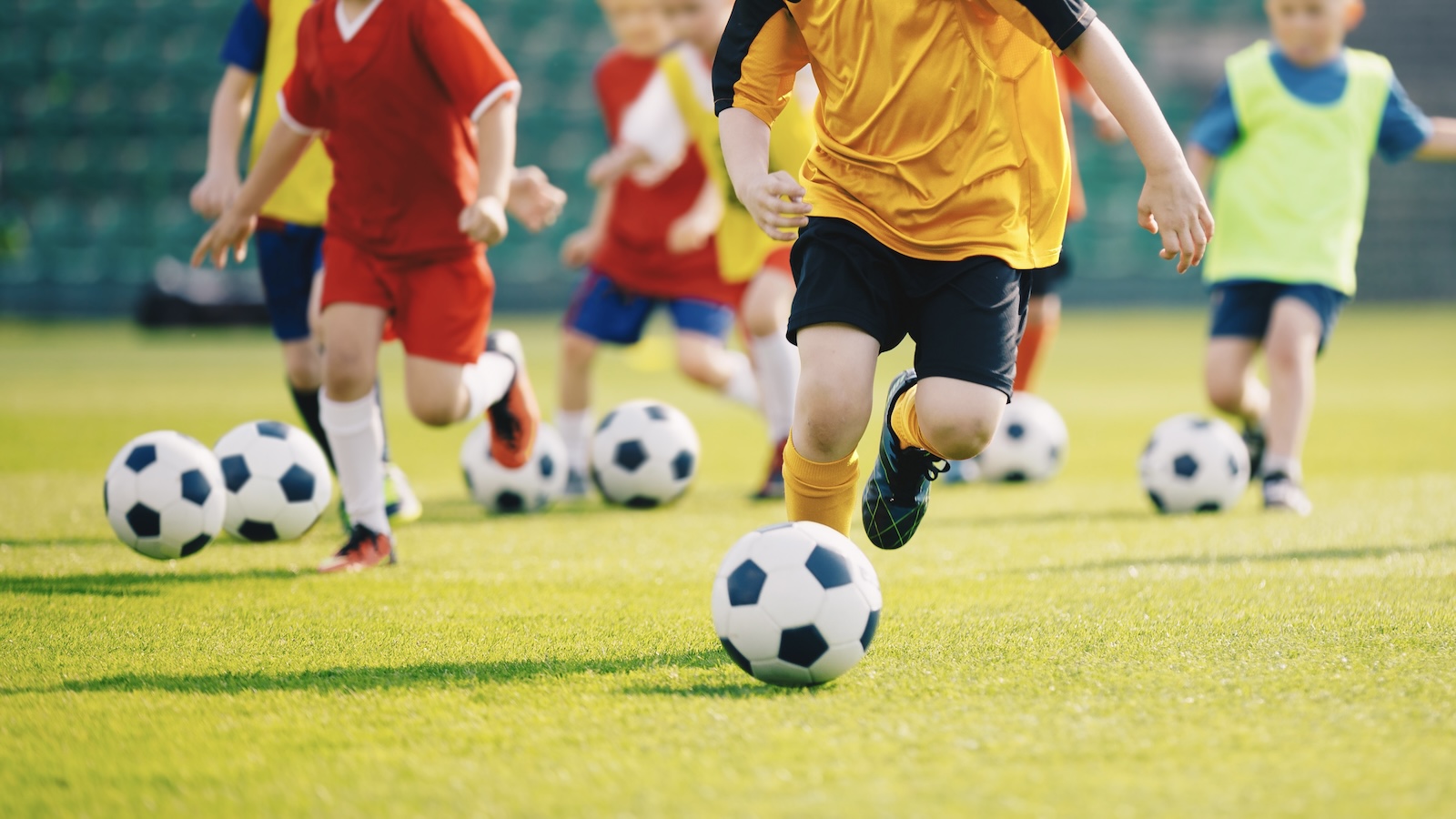
Back-to-school season doesn’t just mean earlier mornings and homework. It also means the start of fall sports.
One week, your child is sleeping later and enjoying a slower summer schedule. The next, they’re back at practice in the heat, running drills and asking their body to do more than it has in months.
“Kids may feel excited and ready to jump back in, but their bodies may need a little more time,” says Andaleeb Shariff, MD, with Hartford HealthCare Medical Group. “The biggest concern is going from very little activity to full-speed practices without much of a transition.”
So is your child ready for the season? Here are six things worth checking.
Virtual care - when and where you need it
1. Their sports physical is up to date
A sports physical isn’t just another form to complete before the first practice.
It also gives your provider a chance to review your child’s health history and look for anything that could affect them during exercise.
That could include conditions like asthma, previous concussions, heart issues or injuries that never fully healed.
“A sports physical helps us understand whether there’s anything that needs more attention before a child returns to play,” says Dr. Shariff. “It’s also a chance for parents and athletes to ask questions about safe participation.”
And while a sports physical is a important for the start of the season, it doesn’t replace a full annual checkup. Be sure to ask your provider which appointment your child needs, and bring any required school or team forms with you.
> Related: How to Choose a Primary Care Provider That’s Right for You
2. Past injuries have fully healed
That sore knee from spring soccer may not have seemed like a big deal at the time. But once practices become longer and more intense, old pain can return quickly.
Pay attention if your child is limping, avoiding certain movements or changing how they run or throw.
“Pain that keeps returning is the body’s way of telling us something may not be fully healed,” Dr. Shariff says. “If a child is compensating or changing how they move, that can put stress on other parts of the body too.”
Normal aches and pains that improve after rest aren’t cause for concern. But pain that keeps coming back, causes swelling or affects normal movement should be checked before the season begins.
> Related: 3 Ways Your Primary Care Provider Keeps You Healthy
3. They’re conditioning before practices start
If summer was mostly spent relaxing, traveling or staying indoors, your child’s endurance may not be where it was at the end of the last season. But the first practice shouldn’t be your child’s first hard workout in weeks.
“Conditioning is something the body builds over time,” says Dr. Shariff. “Going straight from limited activity to daily practices can increase fatigue and make injuries more likely.”
That doesn’t mean your child needs to begin intense training on their own. Activities like walking, jogging, biking or light sport-specific drills can give the body time to adjust.
The goal isn’t to arrive at the first practice in peak condition, but to make the transition feel less abrupt.
Want a Weekly Dose of Health News?
4. They know how to handle the heat
Fall sports usually start during the end of summer heat. The hot, humid weather can make preseason practices especially demanding, and children don’t always recognize when they’re overheating.
“Kids can become focused on keeping up with teammates and may ignore how they’re feeling,” Dr. Shariff says. “Headache, dizziness, nausea or unusual fatigue can all be early signs of heat illness.”
Hydration and heat awareness are especially important for fall sports safety because many seasons begin during hot, humid weather.
Your child should have water or electrolyte drinks before practice starts and know that asking for a break isn’t a sign of weakness.
Confusion, fainting or a lack of sweating despite the heat can signal a medical emergency.
> Related: How Summer Heat Affects Your Heart
5. Their equipment still fits
Children grow quickly, and the helmet, shoes or pads that fit last season may feel completely different a few months later.
Equipment that’s too tight can be uncomfortable and restrict movement. Gear that’s too loose, on the other hand, may not offer the protection it’s supposed to provide.
“Protective equipment only works when it fits correctly and is in good condition,” says Dr. Shariff. “Something that’s worn down or no longer fits can create a false sense of security.”
Have your child try everything on before the first practice. Pay close attention to shoes, helmets, mouthguards and any sport-specific padding. Anything cracked, worn out or uncomfortable may need to be replaced or adjusted.
> Related: Running Gear for Beginners: What You Actually Need (And What to Skip)
6. Their schedule leaves room for recovery
Once school starts, practices are only one part of the day. Homework, early mornings and other activities can quickly push bedtime later.
But sleep isn’t separate from athletic performance. It’s when the body repairs muscles and prepares for the next day.
“Children and teenagers need enough sleep to recover from physical activity,” Dr. Shariff says. “When they’re tired, reaction time, focus and coordination can all suffer.”
It may help to look at the full weekly schedule before the season begins.
If practices end late, your child may need a simpler evening routine or fewer additional activities on those nights.
Rest days matter too, especially for children who play on more than one team or participate in the same sport year-round.
> Related: 7 Signs of a Concussion in Older Children
A little preparation goes a long way
Fall sports safety doesn’t require your child to be in peak condition before the season starts.
But a current physical, properly fitting equipment and a gradual return to activity can make the transition safer and more comfortable.
The goal isn’t just to get your child onto the field, it’s to help them stay there.