
Whether you’re recovering from an injury or trying to get ahead of one, choosing the right ankle brace can make all the difference.
The tricky part? From soft sleeves to stiff, lace-up braces, there are countless options out there – and they all claim to offer different benefits.
“People are often surprised by how much the right brace can help,” says Megan Wolf, MD, orthopedic surgeon with Hartford HealthCare. “It’s not about buying the most expensive one. It’s about matching the brace to your symptoms, activity level and stage of healing.”
Here’s a breakdown of the most common types of ankle braces, plus how to know which one fits your needs.
1. Compression sleeves
Your ankle doesn’t always need rigid support, it might just need a little bit of help. Compression sleeves are soft, stretchy and convenient, making them a great first step when new or mild discomfort shows up.
“Compression increases circulation and helps reduce swelling,” Dr. Wolf says. “For people with mild sprains, overuse soreness or early arthritis, it can make the ankle feel more stable without limiting movement.”
These can also be great for the final stages of recovery after a bad ankle sprain or fracture.
“Compression sleeves also help with proprioception, or knowing where your foot is in a space. That helps prevent re-injury as you finish healing,” Dr. Wolf adds.
And because they’re lightweight, sleeves fit easily in most shoes and work well for low impact exercise or daily wear.
Best for: Mild swelling, general soreness, early ankle discomfort.
> Related: 6 Ways to Strengthen Your Ankles
2. Lace-up braces
If you’ve had a bad sprain in the past, a lace-up brace can be your best friend.
“I recommend these for athletes for a year after a bad sprain, especially if they are playing cutting, pivoting or jumping sports such as basketball, football or volleyball. If you have sprained your ankle once, you’re at higher risk for re-injury,” Dr. Wolf notes.
Because you can tighten or loosen them, lace-up braces offer a customized fit that adapts as swelling changes throughout the day.
Best for: Moderate sprains, preventing re-injury during activity.
> Related: What Athletes Should Eat — Before, During and After Competing
3. Hinged braces
For people who need plenty of support but still want some freedom to move, hinged ankle braces offer balance. They include hard side supports but feature a hinge that allows normal forward motion, which makes them great for sprinting or jumping athletes.
“Hinged braces give more stability than a sleeve or lace-up, but they maintain a functional stride,” says Dr. Wolf. “They’re especially useful if you’re transitioning out of a boot after a more serious injury.”
These braces absorb impact and help protect the ankle from uneven terrain, which is ideal for hikers or runners returning from injury.
Best for: Severe sprains, post-surgical recovery, chronic instability.
Want a Weekly Dose of Health News?
4. Walking boots
When your ankle needs full protection, a walking boot is the best option. These are often recommended after fractures, severe sprains or tendon injuries where your ankle needs time to heal without stress.
“We use these as an alternative to a cast when we want to allow for some motion, but provide protection for weight bearing,” Dr. Wolf says. “It gives you a little more comfort and mobility than a cast, without interrupting the healing process.”
Boots also come in varying heights, allowing providers to match the level of immobilization to the injury.
Best for: Severe sprains, fractures, post-surgical recovery
> Related: 5 Worst Shoes for Your Feet
5. Tape
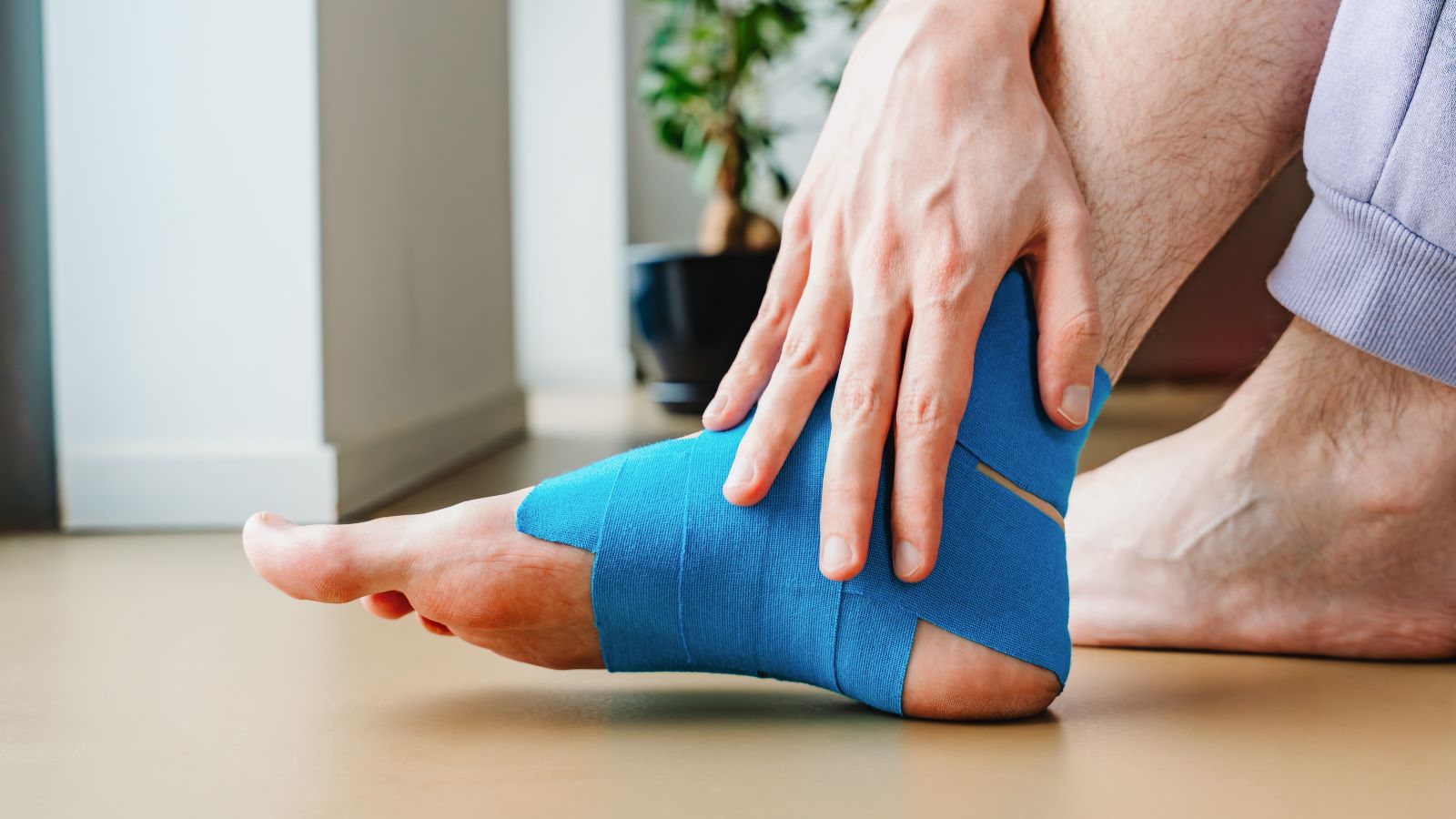
It’s not technically a brace, but tape can be an excellent option if you need support without bulk. Tape helps guide ankle movement, reduce swelling and improve body awareness.
“Taping can give light support and remind the ankle how to move correctly,” says Dr. Wolf. “It’s useful for people returning to activity after a sprain, or those who need temporary stability for sports.”
Because tape is customizable, it can target specific weak points or areas of irritation.
“This is also a great option in sports like gymnastic, where you cannot wear a shoe and brace but still need extra support and stability,” Dr. Wolf notes. “Look to a certified professional like your athletic trainer to tape your ankle for the best outcome.”
Best for: Short-term use during games, practices, or workouts.
> Related: How Injury Prevention Screenings Can Help Athletes Stay Healthy
When in doubt, ask for guidance
With so many options, it’s easy to feel overwhelmed. And since there’s no one right answer for everyone, a quick evaluation can save a headache down the road.
“An ankle brace should make movement feel safer and more comfortable,” she says. “If it doesn’t, you may be using the wrong type or the wrong size.”
And don’t be afraid to switch between different braces as you go through the healing process.