
Some foods have gotten a bad reputation over the years.
Eggs are bad for your cholesterol. Potatoes are just empty carbs. And bread or peanut butter might be completely off the menu if you’re health conscious.
“People often think about food in extremes, as though something has to be either healthy or unhealthy,” says Samantha Oldman, RD, with Hartford HealthCare. “But many foods that get labeled as unhealthy can fit into a balanced diet. It usually depends on how much you eat, how the food is prepared and what the rest of your eating pattern looks like.”
Here are seven foods that are healthier than you think.
1. Eggs
Eggs have long been avoided for their cholesterol content. But for most people, eating eggs in moderation can be part of a healthy diet.
“Eggs provide protein and important nutrients, like choline which supports the brain and nervous system,” Oldman says. “The bigger concern is often what people regularly eat alongside them, such as bacon, sausage or heavily buttered toast.”
Dietary cholesterol also doesn’t affect everyone’s blood cholesterol in the same way. Saturated fat generally has a bigger impact on your LDL or “bad,” cholesterol.
But like any food, eggs should still be eaten in moderation. If you have high cholesterol, diabetes or heart disease, your provider can recommend a more individualized approach.
“An egg served with vegetables, whole grain toast or avocado can be part of a nutritious meal,” Oldman says. “It doesn’t need to be treated as something you should automatically avoid.”
> Related: This Is What $50 of Groceries Could Look Like If You Shop Smart
2. Potatoes
Potatoes get a bad rap because of their carb content, but how you prepare them makes a big difference in how healthy they are.
“Potatoes contain potassium, vitamin C and fiber, especially when you keep the skin on,” Oldman says. “The concern usually isn’t the potato itself. It is how it is prepared, the portion and what gets added to it.”
A baked, roasted or air-fried potato can make a healthy and filling side dish.
Pre-washed baby potatoes are another easy option, says Oldman. Spray them lightly with oil, season with a little salt and pepper, then air fry until crispy before adding some fresh herbs.
“You can also use plain Greek yogurt instead of sour cream or add salsa for flavor,” Oldman says. “Sweet potatoes are another option that can bring different nutrients and more color to your plate.”
> Related: 7 Foods That Sound Healthy but Really Aren’t
3. Nuts
Nuts are high in calories and fat, which might make you think they should be avoided. But most of that fat is the heart-healthy, unsaturated kind.
“Fat is not automatically unhealthy,” Oldman says. “Nuts also provide fiber, protein and minerals, which can make meals and snacks more satisfying.”
All that being said, portion size still matters. A typical serving is about one ounce, or roughly a small handful or almonds, walnuts, pistachios or peanuts. And they’re easy to work into your diet.
“Try adding a sprinkle to yogurt, oatmeal or a salad,” Oldman says. “Pairing a small portion of nuts with fruit can also help create a more satisfying snack.”
Just be sure to choose unsalted or lightly salted nuts and be mindful of varieties coated in candy, sugar or heavy glazes.
> Related: The 8 Best Fruits for Your Health
4. Coffee
Coffee seems to have a different reputation every week. One day it’s good for you, and the next you’re being told to cut back on caffeine. But for most adults, there’s no reason to give up your morning cup. In fact, research has linked moderate coffee consumption to several potential health benefits.
“Coffee contains naturally occurring plant compounds,” Oldman says. “What matters is how much you drink, how caffeine affects you and what you add to the cup.”
Black coffee or coffee with a small amount of milk is very different from a large frozen drink made with flavored syrup and whipped cream. And caffeine isn’t for everyone. It can interfere with sleep and make symptoms like anxiety, acid reflux or heart palpitations worse.
“If coffee makes you jittery, keeps you awake or worsens symptoms, that’s a sign to adjust how much you drink or when you drink it,” Oldman says.
> Related: How to Plan a Week of Healthy Meals in 15 Minutes
5. Bread
Bread is another food that’s gotten a bad reputation for it’s carb content. But carbs are an important source of energy, and some breads are better than others when it comes to overall nutrition.
“Whole grain breads can provide fiber and other nutrients,” Oldman says. “The goal is to choose a bread that helps make your meal satisfying and pair it with other nutritious foods.”
When shopping for bread, look for whole wheat, oats, rye or another whole grain near the top of the ingredient list. Sourdough can be another good option. Its fermentation process creates compounds that may support digestion, and some varieties have less of an impact on blood sugar than traditional white bread.
But what you put on the bread matters too.
“Whole grain toast with eggs, avocado or peanut butter offers more nutrition and staying power than white bread with a sugary spread,” Oldman says. “The type of bread, the portion and what you eat with it all make a difference.”
Want a Weekly Dose of Health News?
6. Peanut butter
Peanut butter tends to be high in calories and fat, but that doesn’t mean it’s unhealthy. In fact, it’s a good source of protein and unsaturated fat.
“Peanut butter can be a helpful option when it is used in a reasonable portion,” Oldman says. “It can make a snack or meal more satisfying, especially when it is paired with fruit, whole grain bread or oatmeal.”
A typical serving is about one to two tablespoons, which can add up quickly. And make sure to look for peanut butter made primarily with nuts, with little or no added sugar or hydrogenated oils.
“Peanut butter does not become unhealthy simply because it is calorie-dense,” Oldman says. “It is another food where the amount and the overall meal matter.”
> Related: 6 Healthy Soda Alternatives That Still Taste Good
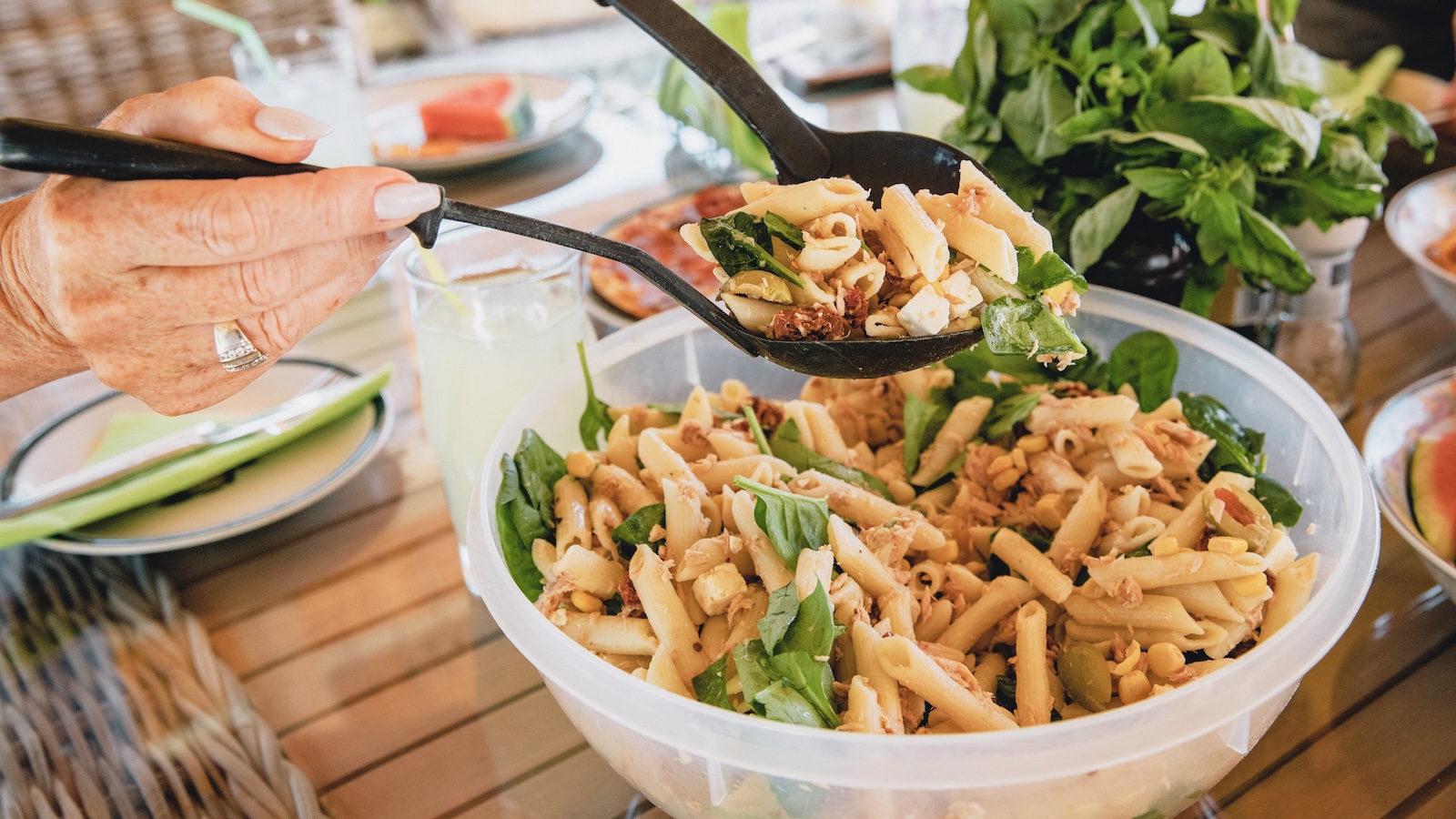
7. Pasta
If you’ve ever tried cutting carbs, chances are pasta was one of the first things to go. But you don’t have to give up your favorite pasta dish to eat healthy.
“Pasta can absolutely fit into a balanced diet,” Oldman says. “The key is the portion and what else is included in the meal.”
Try opting for lighter sauces, like marinara or olive oil, and adding vegetables or lean protein to make your meal more balanced. You can also choose whole-wheat pasta for more fiber, or chickpea and lentil varieties for extra protein.
“You don’t need to choose a specialty pasta every time,” Oldman says. “Adding vegetables and a source of protein can help turn regular pasta into a satisfying, balanced meal.”
> Related: Diet vs. Exercise: What Matters More for Your Health?
Healthy eating is about balance, not rules
t’s easy to label foods as good or bad, but healthy eating isn’t always that simple.
“Instead of asking whether one food is healthy or unhealthy, look at the bigger picture,” Oldman says. “Think about how often you eat it, how it is prepared and how it fits with your health needs.”