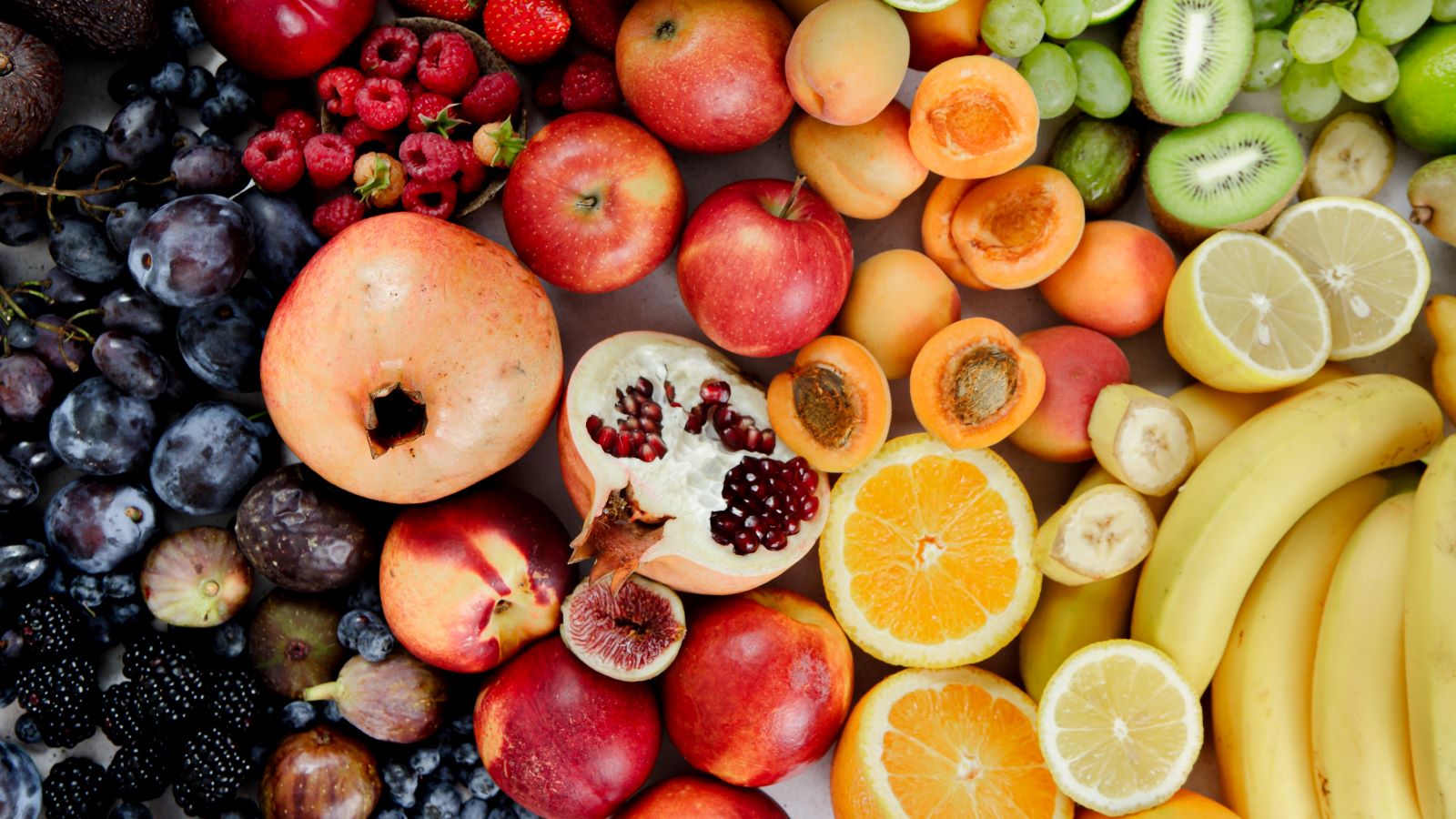

Looking for a sweet treat that’s good for you too? This might be your answer.
“Fruit is packed with vitamins, minerals, fiber and antioxidants, and it comes in its own convenient package,” says Ulysses Wu, MD, with Hartford HealthCare. “The key is eating a variety — and choosing the right fruits for your health goals.”
But with so many options, where do you start?
We asked an expert to weigh in on the healthiest fruits you can eat.
Virtual care - when and where you need it
1. Berries
Don’t let their size fool you — berries are loaded with nutrients.
“Blueberries, in particular, are one of the most antioxidant-rich fruits out there,” says Dr. Wu. “They’ve been shown to support heart health, brain function, and even reduce inflammation.”
But it doesn’t stop with blueberries.
“Other colorful berries like raspberries and blackberries also deserve a spot on your plate,” Dr. Wu adds. “These are packed with antioxidants and anthocyanins, which help reduce inflammation,”
Try it: Add to oatmeal, yogurt or salads — or simply eat them by the handful.
2. Avocado.
Surprised to see avocado on this list?
“Most people think of fruit as sweet, but avocados are actually one of the healthiest fruits you can eat,” says Dr. Wu.
Not only are they high in potassium, they’re also full of heart-healthy monounsaturated fats, along with fiber and folate. That combo helps lower cholesterol, support brain health and keep you feeling full longer. They also contain lutein, an antioxidant.
Try it: On toast, in smoothies, or swapped in for mayo on a sandwich.
> Related: 4 Reasons to Eat More Avocado
3. Pomegranate.
They might be a pain to open, but the reward is worth it.
“Pomegranate seeds are full of antioxidants that help fight inflammation and protect your heart,” says Dr. Wu.
Plus, they also might help lower blood pressure and cholesterol levels.
Try it: Toss on salads, stir into yogurt or eat by the spoonful. They provide excellent texture.
> Related: 5 Reasons to Eat More Pomegranate
4. Kiwi.
Kiwi may not look appetizing from a distance, but it’s loaded with nutrients.
“One kiwi can give you more vitamin C than an orange,” says Dr. Wu. “And it’s a good source of potassium and fiber.”
Want an extra health boost? The skin is edible — and loaded with even more fiber.
Try it: Sliced with the skin on, blended into smoothies or layered on toast.
5. Papaya.
It might not be your go-to yet, but papaya is a great option if you’re looking to change things up.
“Papaya contains a digestive enzyme called papain, which can help break down protein and ease bloating,” says Dr. Wu.
It’s also high in vitamin C, A, potassium, folate and water — making it a great choice for hydration and immune support.
Try it: Drizzle with lime juice, add to fruit salad or enjoy blended into a smoothie.
> Related: 9 Summer Superfoods to Add to Your Diet
6. Guava.
Still haven’t had enough vitamin C? One small guava can pack more than double your daily vitamin C needs.
“People don’t often think to grab guava at the grocery store, but it supports immune health, digestion and even your skin,” says Dr. Wu.
Bonus: The skin and seeds are edible, so you get the full nutrient package in every bite.
Try it: Enjoy it whole like an apple, sliced with chili-lime seasoning or blended into juice.
7. Dragon fruit.
With its hot pink skin and speckled interior, dragon fruit isn’t just pretty – it’s also great for your health, though many think yellow dragon fruit tastes better
“Dragon fruit is high in fiber, vitamin C and antioxidants,” says Dr. Wu. “It may even support gut health, thanks to prebiotic fiber.”
It’s also low in calories and sugar, making it a smart option for people watching their blood sugar.
Try it: On smoothie bowls, in fruit salads or chilled and sliced on its own.
8. Apples
Remember the saying, an apple a day keeps the doctor away? There may be some truth to it.
“Apples are a great source of fiber, including soluble fiber, and will help you feel full sooner,” says Dr. Wu. “Plus, the pectin is good for your gut health.”
Try it: Sliced with nut butter, chopped into oatmeal, or baked with a sprinkle of cinnamon.
Not sure which fruits to choose?
Good news: You don’t have to pick just one.
“Each fruit offers something different. By mixing and matching, you get a range of nutrients that work together to support your health. The general rule of thumb is to choose the most colorful fruit, and try to leave the skin on as its typically packed with fiber and nutrients,” says Dr. Wu.
Whether you’re aiming to boost your brain, support your gut or simply add more color to your plate, these fruits are a great place to start.