
Some healthy foods have a bad reputation.
Maybe they were boiled until they were mush when you were younger. Served plain. Packed in a lunchbox one too many times. Or just introduced to you in the least exciting way possible.
But before you write them off completely, it may be worth giving them another chance.
“Sometimes people think they dislike a healthy food when they really dislike the way it was prepared,” says Samantha Oldman, RD, with Hartford HealthCare. “Taste, texture, cooking method and seasoning can make a big difference. Even seasonality matters because produce that is in season often has more flavor and may taste sweeter.”
Here are five healthy foods worth trying and a few ways to make them more appealing.
1. Beans
Beans may not seem exciting. But they’re one of the easiest ways to add more fiber, plant-based protein and nutrients to your meals.
“Beans are a simple and inexpensive food that can support your health in several ways,” Oldman says. “They can help you feel full, support digestion and provide a heart-healthy source of protein.”
Black beans, chickpeas, lentils, kidney beans and white beans can all work in different recipes.
Add them to soups, salads or tacos. They can also work well in grain bowls, pasta dishes and blended dips if you aren’t a fan of the texture.
And if beans tend to bother your stomach, start with a small amount.
“A few spoonfuls at a time can give your body a chance to adjust to the extra fiber,” Oldman says.
> Related: This Is What $50 of Groceries Could Look Like If You Shop Smart
2. Sardines
Sardines don’t exactly win popularity contests.
They’re small. They’re oily. And yes, they smell like fish.
But nutritionally, sardines have a lot going for them, especially if you’re willing to get a little creative with how you prepare them.
“Sardines are rich in protein and healthy fats, including omega-3 fatty acids,” Oldman says. “They can also provide calcium when you eat the soft bones.”
If eating sardines straight from the can feels like too much, you don’t have to start there.
Try adding them to avocado toast or mixing them into a salad like you would with tuna. They can also be added to pasta or blended into a homemade dressing, similar to the anchovies used in Caesar dressing.
“Pairing sardines with lemon, herbs or another bright flavor can help balance their richness,” Oldman says.
> Related: 7 Foods That Sound Healthy but Really Aren’t
3. Cabbage
Cabbage has a reputation for being bland, bitter or something your grandmother boiled until it turned to mush.
But when it’s prepared right, or not cooked at all, it can be surprisingly tasty.
“Cabbage is part of the cruciferous vegetable family, along with broccoli, cauliflower and Brussels sprouts,” Oldman says. “These vegetables provide fiber, vitamins and plant compounds that support overall health.”
The key is to avoid overcooking it, which can affect both the taste and texture.
Try shredding cabbage into slaw, using the leaves to make steamed cabbage rolls or roasting it until the edges get crispy. You can also use it to add crunch to tacos and stir-fries.
“Cabbage has some natural sweetness, especially when it’s roasted or sautéed,” Oldman says. “A little garlic, olive oil or seasoning can completely change how it tastes.”
> Related: The 8 Best Fruits for Your Health
4. Plain Greek yogurt
Plain Greek yogurt tastes pretty sour if you’re used to sweeter options.
But that tang comes with benefits.
“Plain Greek yogurt is a good source of protein and calcium,” Oldman says. “Choosing plain yogurt also helps you limit the added sugar found in some flavored varieties.”
That doesn’t mean you have to eat it by itself.
Add berries, cinnamon or a drizzle of honey. Nuts or granola can provide more texture.
Plain Greek yogurt is also one of the most versatile healthy foods worth trying. Mix it into sauces, dressings and dips or use it in place of sour cream, where you are already expecting a tart flavor.
“You can be creative with it,” Oldman says. “One combination I enjoy is plain Greek yogurt with sliced beets, salted pistachios and a drizzle of honey. It brings together sweet, salty, creamy and earthy flavors.”
It may take a little time for your taste buds to adjust. But once they do, you might not miss the extra sugar as much as you think.
Want a Weekly Dose of Health News?
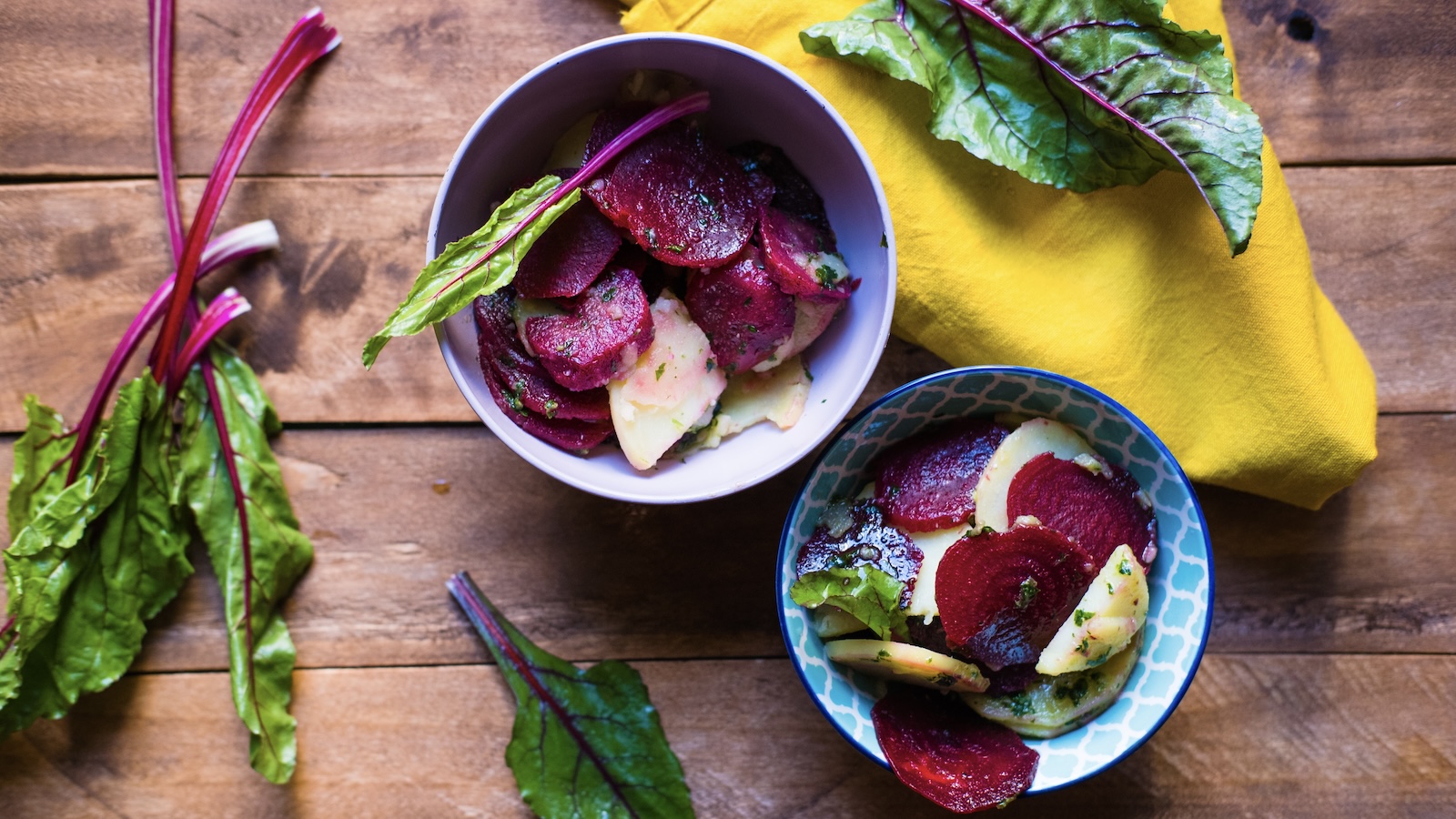
5. Beets can be better than you remember
Beets can be polarizing. Some people love their earthy flavor, while others think they taste like dirt.
But beets are rich in nutrients and can be a colorful way to add more vegetables to your meals.
“Beets provide fiber and naturally occurring compounds that can support healthy blood flow,” Oldman says. “They’re also a good reminder that eating a variety of colorful plants can provide a wider range of nutrients.”
The variety of beet you choose can also make a difference.
“Golden beets tend to have a milder flavor, so they can be a good place to start if you are not sure about traditional red beets,” Oldman says.
If the earthy taste is what turns you off, pair beets with something bright or creamy.
Goat cheese, citrus and vinegar can help balance their flavor. They also pair well with herbs, nuts or plain Greek yogurt.
Roasting beets brings out more of their natural sweetness, while pickled beets can add tang to salads and sandwiches.
> Related: Not All Protein Bars Are Healthy. Here’s How to Tell
You don’t have to force foods you hate
You don’t need to force yourself to eat foods that you hate. But sometimes, healthy foods just need a better recipe, a different texture or another chance.
“Healthy eating should be flexible,” Oldman says. “The goal isn’t to eat every so-called superfood. It’s to find nutritious foods you enjoy enough to keep eating.”