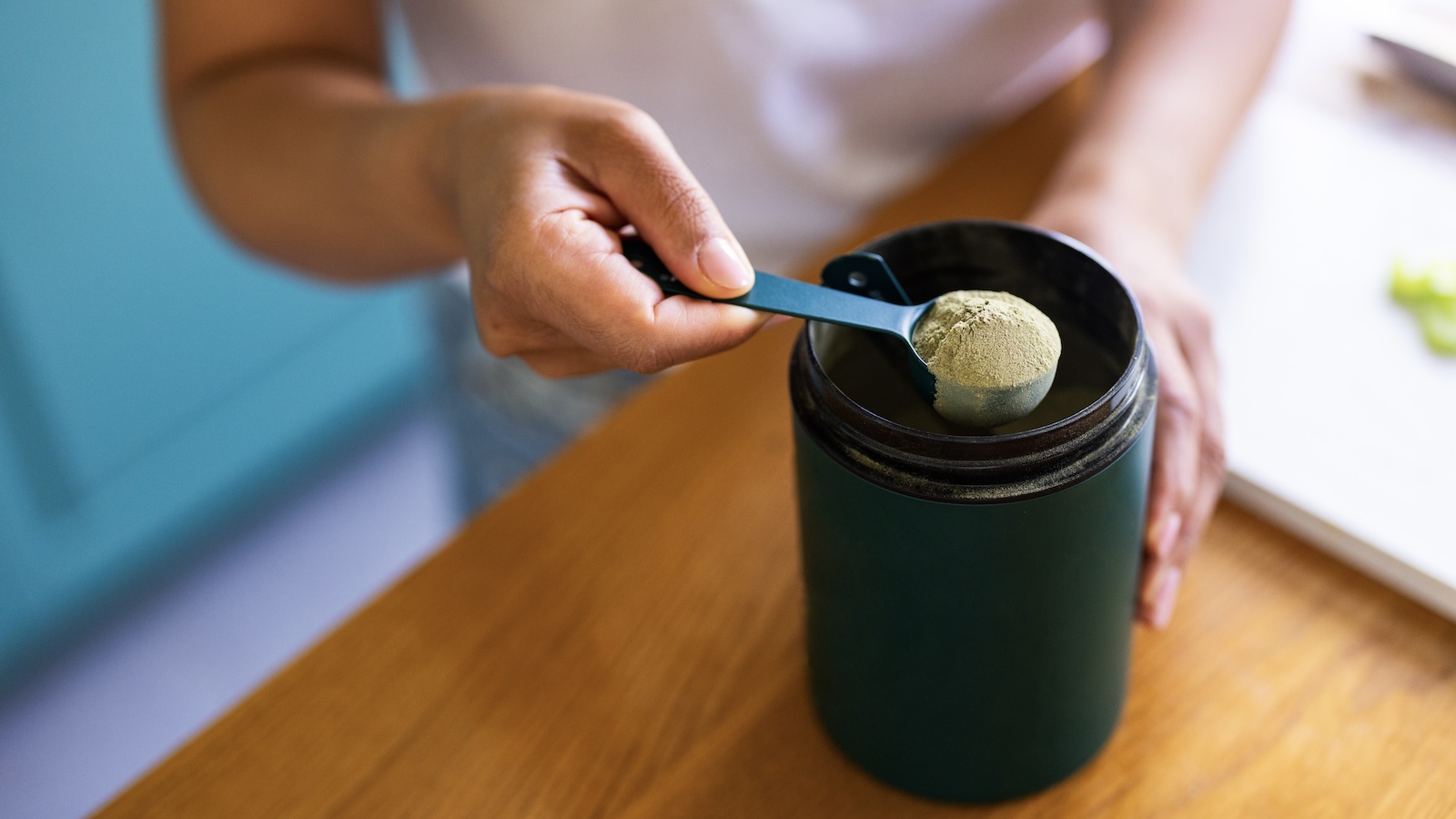

Green powders are an easy sell. One scoop a day mixed with water is said to offer more nutrients, better digestion, immune support and more.
But a long ingredient list doesn’t always mean more health benefits.
“Green powders can seem like an easy shortcut, especially for people who struggle to eat enough fruits and vegetables,” says Alessandra Cortina, APRN, a primary care provider with Hartford HealthCare Medical Group. “But they’re not the same as eating whole foods.”
That doesn’t mean green powders are useless. But how much they help depends on what’s in them, why you’re taking them and what they’re replacing in your diet.
Green powders can add some nutrients
Most green powders are made from dried fruits, vegetables, grasses, algae, herbs, probiotics, enzymes or other plant-based ingredients.
Depending on the product, they may contain vitamins, minerals or plant compounds.
“Some green powders can add nutrients to your diet,” Cortina says. “But the amount and quality can vary a lot from one brand to another.”
That’s part of the problem.
One product may contain a long list of ingredients, but that doesn’t always tell you how much of each ingredient you’re actually getting.
> Related: Going Vegetarian? Here Are 7 Ways to Get Enough Protein
They don’t replace fruits and vegetables
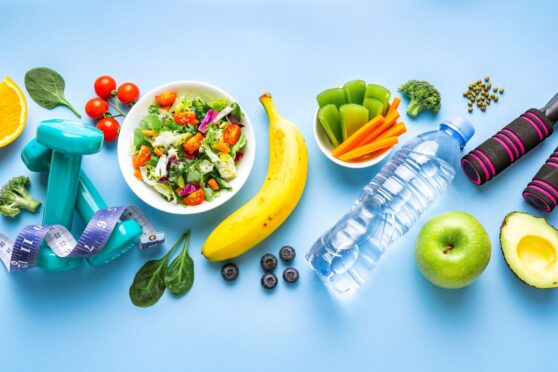
Green powders are often marketed as an easy way to “get your greens”, but they don’t offer everything you get from eating real fruits and vegetables.
“When you eat whole fruits and vegetables, you get fiber, water, texture and volume,” Cortina says. “Those things help with fullness, digestion and overall nutrition in ways a powder usually can’t match.”
Think about the difference between eating a salad and drinking a scoop of powder. Whole vegetables come with fiber, water and volume, which can support digestion and help you feel fuller. While a green drink might add nutrients, it won’t fill you up the same way.
> Related: Not All Protein Bars Are Healthy. Here’s How to Tell
Look past the claims on the label
Some green powders come with a long list of claims like “detox support” and “gut reset.”
“Be careful with products that promise broad health benefits without clear evidence,” Cortina says. “If a powder claims to fix everything, that’s usually a reason to be cautious.”
Your liver and kidneys already help your body process waste. And things like gut health and immune function are complicated and depend on things like your diet, sleep and stress levels.
A green powder can add some nutrients to your diet, but it can’t replace all of that.
Want a Weekly Dose of Health News?
Some ingredients can cause side effects
Because green powders can contain so many ingredients, they also come with more chances for side effects or interactions.
Some contain ingredients like caffeine, herbs, probiotics, digestive enzymes, sugar alcohols or high doses of certain vitamins and minerals.
“For some people, green powders can cause bloating, gas, stomach upset or other digestive symptoms,” Cortina says. “They may also interact with certain medications, depending on the ingredients.”
That’s especially important if you’re pregnant, breastfeeding, taking prescription medications or managing a medical condition.
And because supplements are not regulated the same way as medications, quality can vary.
Look for products that have been third-party tested when possible and talk with your doctor or pharmacist if you’re unsure.
> Related: The 8 Best Fruits for Your Health
They can be expensive
Green powders aren’t cheap, and if you’re buying them because you feel guilty about not eating enough vegetables, there might be better places to spend your money.
“Before spending a lot on a green powder, think about whether that money could go toward foods you’ll actually eat,” Cortina says. “Frozen vegetables, bagged salads, fruit, beans or pre-cut produce may be more useful for many people.”
If you like a green powder and it fits your budget, there’s probably no harm in using them. But you also don’t need one to have a healthy diet.
> Related: Do You Really Need to Eat Three Meals a Day?
Food should still come first
Green powders aren’t necessarily bad, but they’re also not necessary for most people.
“If you enjoy a green powder and it fits your budget, it may be fine to use,” Cortina says. “But it should add to your diet, not replace the basics.”