
As you get older, staying active takes a little more intention than it did when you were 25. And the way you exercise might need to change too.
“Fitness for healthy aging isn’t about being the fastest or strongest person in the room,” says Mitchell Lyons, MS, CSCS, a strength and conditioning specialist with Hartford HealthCare. “It’s about building strength, balance and mobility so you can keep doing the things you enjoy.”
Instead of an intense workout routine, the key is to focus on a few consistent habits that can keep you strong, balanced and flexible.
Here are five fitness habits to focus on as you age.
1. Make strength training a priority
Strength training is one of the best things you can do for your body as you age.
Adults naturally lose muscle over time, which can affect your balance and mobility. It can also make everyday activities that you once took for granted more difficult, like climbing stairs or getting up from a chair.
“Muscle mass and strength are closely tied to independence,” Lyons says. “The stronger you are, the easier it is to handle daily activities without feeling limited or relying on someone else.”
But lifting something heavy doesn’t have to mean loading up a barbell.
You can use bodyweight exercises, resistance bands or light dumbbells. Weight machines and everyday objects, such as grocery bags, can also provide resistance.
“Start with what your body can tolerate and progress slowly,” Lyons says. “You should feel like your muscles are working, but you shouldn’t feel sharp pain or unsafe.”
Strength training is one of the most important fitness habits for healthy aging because it helps support the movements you rely on every day.
> Related: 5 Nutrients to Keep You Aging Gracefully
2. Walk regularly
Walking is one of the simplest, but most easily overlooked forms of exercise. It can support everything from your heart and lungs to your joints and mood.
“Walking is underrated because it’s so accessible,” Lyons says. “For many people, it’s the easiest way to build consistency, which is one of the most important parts of any fitness routine.”
A short walk after lunch or dinner can add movement to your day. You might also park farther from the store or walk while talking on the phone.
And if you want to make it more challenging, try increasing your pace for short periods or adding in hills.
“Walking can be adjusted as your fitness improves,” Lyons says. “Small changes in speed, distance or incline can make a familiar walk more challenging.”
> Related: Do You Really Need 10,000 Steps a Day?
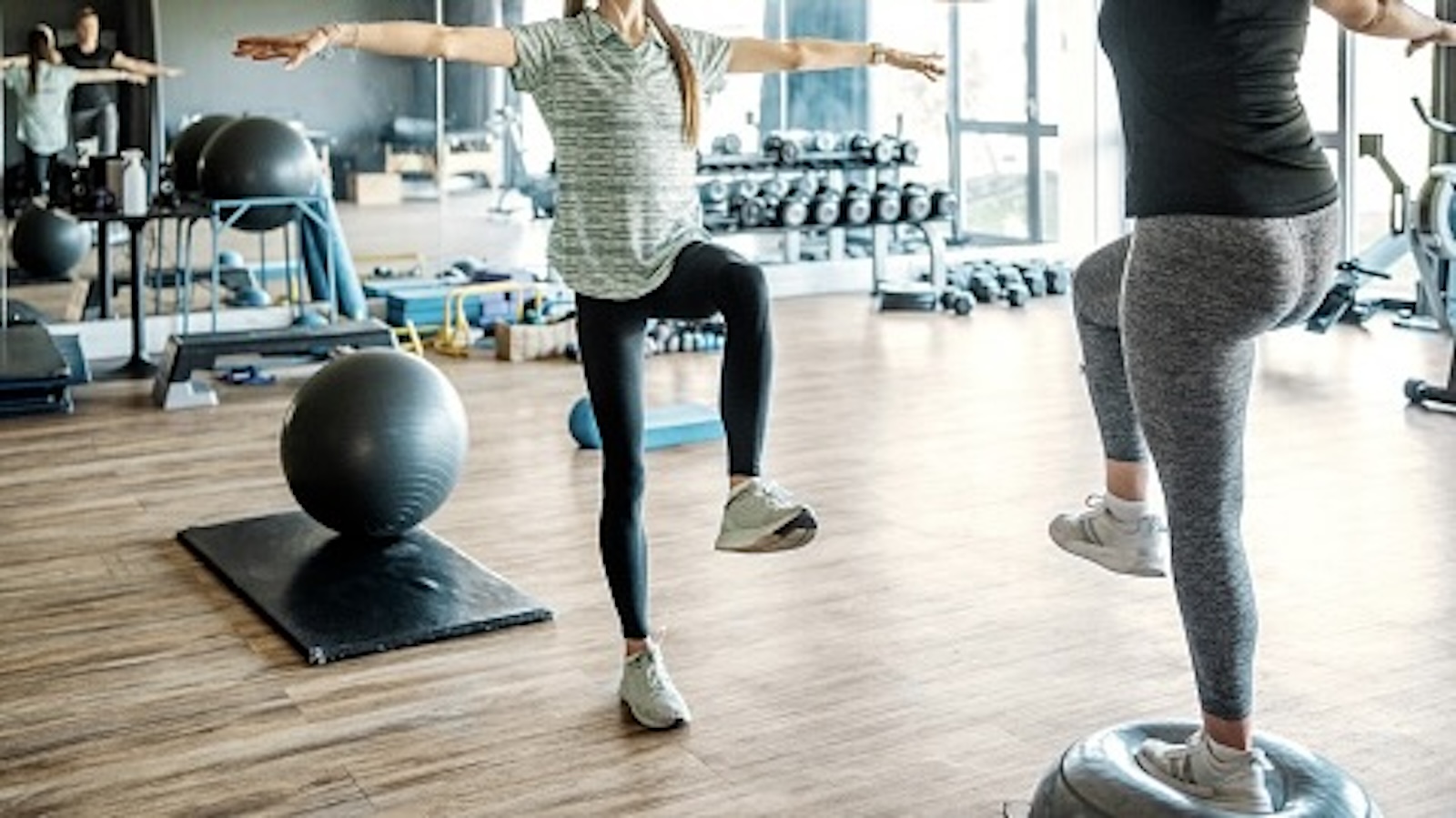
3. Practice your balance
Balance is easy to take for granted, until you begin to lose it. And as you age, it’s important for preventing falls and staying confident on your feet.
“Balance is something people often ignore until they start having trouble with it,” Lyons says. “But it’s a skill you can practice, and the earlier you start, the better prepared your body will be.”
Try standing on one foot while brushing your foot or work on getting up out of your chair without using your hands. Heel to toe walking, side steps and classes like tai chi can also challenge your stability.
“Choose an exercise that feels safe and keep a sturdy counter, wall or chair nearby for support,” Lyons says. “Balance training should build confidence, not make you feel at risk of falling.”
Want a Weekly Dose of Health News?
4. Keep your joints moving
When your body starts to feels stiff, it gets harder to move comfortably.
Mobility helps your joints move through their range of motion, which helps make everyday activities like bending over to tie your shoes or turning your neck while driving easier.
“Mobility helps your body move the way it’s supposed to move,” Lyons says. “When your joints are stiff, other parts of the body may have to compensate, which can make movement less efficient or more uncomfortable.”
To get started, stretch a few targeted areas that tend to become stiff like your hips, back or shoulders.
“Many people spend long periods sitting during the day,” Lyons says. “Even a few minutes of hip or back mobility can make a noticeable difference in how your body feels.”
> Related: 7 Everyday Habits That Wreck Your Joints
5. Aim for consistency
The best workout is the one you’ll actually keep doing. That could mean going to the gym or a fitness class, or something a little more lowkey like a walk with a friend or a few sets of squats while you watch television.
“Consistency matters much more than perfection,” Lyons says. “A realistic routine you can maintain will do more for your long-term health than an intense plan you stop after two weeks.”
When Lyons helps someone build a routine at the Bone & Joint Institute, one of the first things he asks is what type of exercise they enjoy.
“People are sometimes surprised by that question because they expect there to be one perfect routine,” Lyons says. “But the right routine is one that fits your life and includes activities you can look forward to.”