
Anxiety can be a physical, as much as it is mental, and one of the most noticeable effects is the change in how your heart beats.
You might feel your heart racing even though you’re sitting still or become aware of every beat in your chest. Those sensations can be unsettling, especially when you’re already feeling anxious.
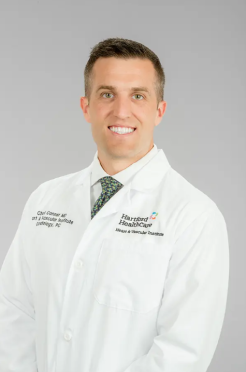
“When you feel anxious, your nervous system releases stress hormones that prepare your body to respond to a threat,” says Chad Conner, MD, with Hartford HealthCare. “Your heart rate can increase, your blood pressure can temporarily rise and you may become much more aware of your heartbeat.”
So what exactly happens to your heart when you’re anxious?
Your heart starts working faster
When anxiety kicks in, your body releases hormones such as adrenaline as part of the fight-or-flight response.
Those hormones tell your heart to beat faster so it can send more blood and oxygen to your muscles. Your blood vessels can also tighten temporarily, which can cause your blood pressure to rise.
“This response is designed to help you react quickly when there’s a threat,” says Dr. Conner. “The problem is that your body can respond the same way to emotional stress even when there isn’t any physical danger.”
Once that stressful moment passes, your heart rate and blood pressure usually settle back towards normal.
> Related: 7 Ways to Protect Your Heart as You Age
Anxiety makes you notice every heartbeat
A faster heart rate isn’t the only reason your heartbeat suddenly feels impossible to ignore.
Anxiety can cause heart palpitations, which make you notice your heartbeat even if the rhythm is normal. Some people feel their heart pounding, while others become much more aware of individual beats.
“Anxiety puts your body into a heightened state of awareness,” says Dr. Conner. “You may start paying attention to sensations you normally wouldn’t notice, including your heartbeat.”
This can create a frustrating cycle. You notice your heart beating harder, worry that something is wrong and become even more anxious, which make the sensation feel stronger.
> Related: 6 Heart Healthy Dinners You’ll Actually Want to Eat
Your breathing can add to the sensation
Anxiety can also change the way you breathe.
During a stressful moment, you might start breathing more quickly or shallowly without realizing it. That can leave you feeling lightheaded, short of breath or tight in the chest, which makes an already noticeable heartbeat feel even more concerning.
“Your heart and breathing are both responding to the same stress signal,” says Dr. Conner. “That’s why anxiety can create several physical sensations at once, even when there isn’t a problem with the heart itself.”
As the stress response starts to ease, your breathing and heartbeat should begin to settle too.
The effects are usually temporary
For most people, a short period of anxiety causes temporary changes in heart rate and blood pressure.
Once the stressful situation passes, the body’s fight-or-flight response switches off, and those changes usually go away. That’s an important difference from having a consistently elevated heart rate or blood pressure because of an underlying medical condition.
“Feeling your heart speed up during an anxious moment doesn’t automatically mean you’re damaging your heart,” says Dr. Conner. “We’re more interested in how often it’s happening, how long it lasts and whether there are other symptoms along with it.”
Frequent anxiety or chronic stress can still affect your heart health over time, especially if it interferes with sleep, activity or other healthy habits.
> Related: 6 Signs You Have Anxiety Even If You Don’t Feel Anxious
Don’t assume every heart symptom is anxiety
Anxiety can cause very real physical symptoms, but that doesn’t mean every racing heartbeat or episode of chest discomfort should automatically be blamed on stress.
Heart rhythm problems and other medical conditions can cause similar sensations, so the pattern matters.
“One of the most important things is looking at when the symptoms happen and whether they’re changing,” says Dr. Conner. “If they’re new, keep happening or don’t seem connected to anxiety, it’s worth having them evaluated rather than assuming stress is the cause.”
Heart palpitations with chest pain, fainting, severe dizziness or severe shortness of breath need immediate medical attention.
> Related: 6 Signs Your Heart Might Be Struggling
Pay attention to what’s normal for you
If your heart tends to speed up during stressful moments and settles once you calm down, that pattern may simply be part of your body’s normal anxiety response.
But if something changes, especially if your heart starts racing without an obvious trigger or the episodes become more frequent, talk to your doctor.
“You know what your usual stress response feels like,” says Dr. Conner. “When something feels noticeably different from that pattern, that’s when it makes sense to take a closer look.”