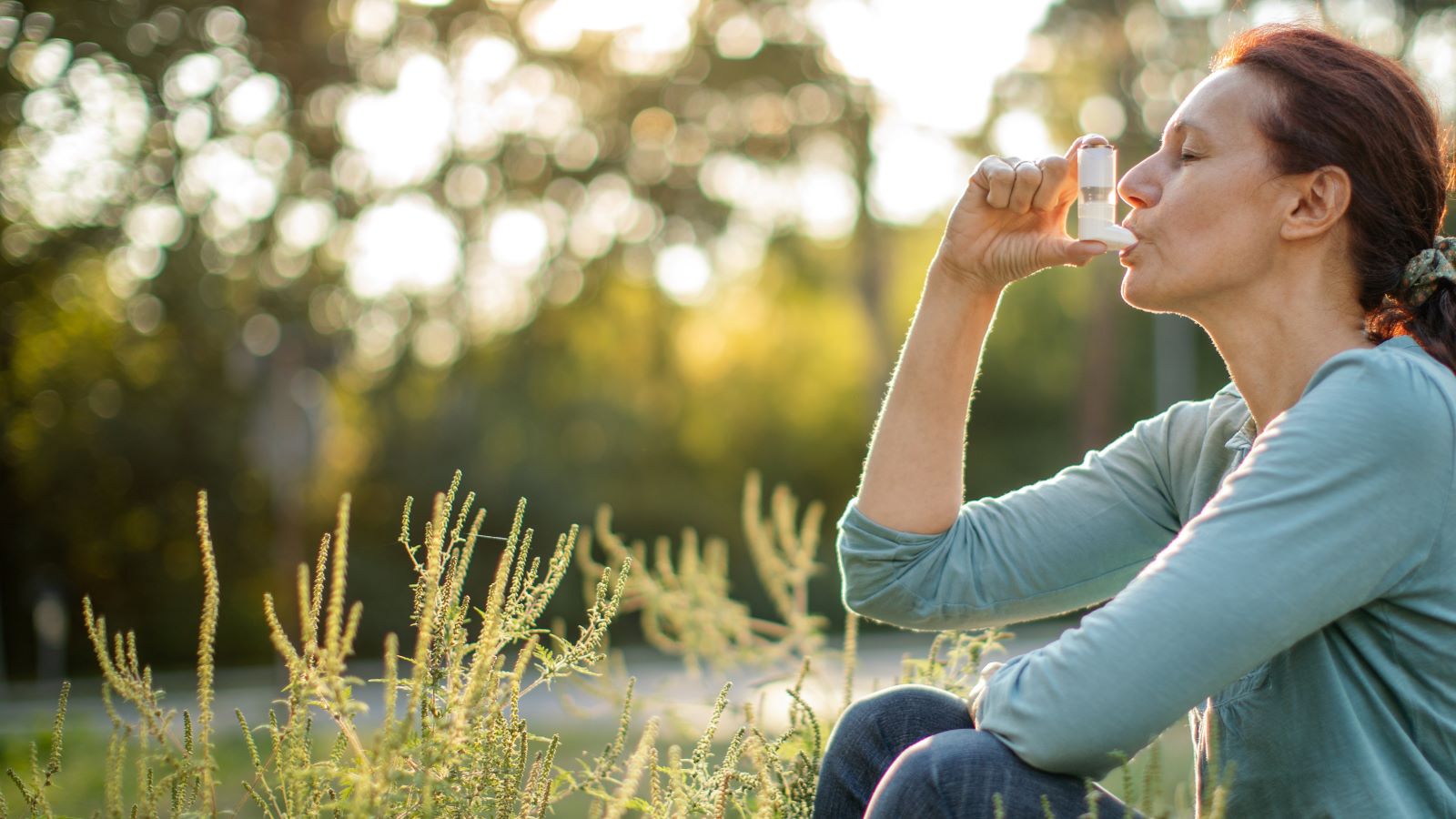

Spring should feel like a fresh start. But if you have asthma, it can also bring more coughing, wheezing or shortness of breath.
“It’s common for asthma symptoms to worsen in the spring,” says Syed Hussain, medical director for Hartford HealthCare Urgent Care. “Environmental triggers increase this time of year, which can make the airways more sensitive and inflamed.”
If your asthma feels harder to control right now, here’s why.
Find an Urgent Care Center near me
1. Pollen is one of the biggest triggers
In the spring, trees, grass and weeds release pollen into the air, and those tiny particles can irritate your lungs.
“For people with asthma, pollen can trigger inflammation in the airways,” says Dr. Hussain. “That inflammation can lead to symptoms like coughing, wheezing and chest tightness.”
Even if you don’t spend a lot of time outside, pollen can still make its way indoors on clothing, shoes and even through open windows.
On high pollen days, you may notice your symptoms flare up more quickly or last longer than usual.
> Related: Why Your Allergy Medicine Isn’t Working
2. It’s warm, so you’re spending more time outdoors
Whether you’re walking, exercising or doing yard work, most people are outside more as the weather improves.
“The more time you spend outside, the more you expose yourself to allergens like pollen,” says Dr. Hussain.
Activities like moving the lawn or gardening can be especially triggering because they stir up pollen and other particles in the air.
If your symptoms tend to worsen after being outside, your environment may be playing a bigger role than you realize.
> Related: 7 Everyday Things That Trigger Your Asthma
3. Weather changes irritate your airways
Spring weather isn’t always predictable, and those shifts can affect how your lungs respond.
“Changes in temperature, humidity and even air pressure can impact the airways,” says Dr. Hussain. “For some people, that can make breathing feel more difficult.”
Cool mornings followed by warmer afternoons can be especially irritating, especially if you’re exercising outdoors.
Sudden weather changes can also make your airways more reactive, increasing the likelihood of symptoms.
> Related: Why Spring Cleaning Is Good for Your Home AND Your Health
4. Mold levels start to rise
Spring moisture creates the perfect conditions for mold to grow outdoors and inside your home.
“Mold spores can act as another trigger for asthma symptoms,” says Dr. Hussain.
You might find mold in damp areas like basements, bathrooms or around windows. Outdoors, it can grow in soil, leaves and shaded areas.
Because mold isn’t always visible, it can be a hidden factor behind worsening symptoms.
Want a Weekly Dose of Health News?
5. Allergies and asthma often go hand in hand
If you have seasonal allergies, whether spring or fall, they can make asthma harder to manage.
“When allergies flare up, they can increase inflammation in the airways and worsen your asthma symptoms,” says Dr. Hussain.
This overlap is sometimes called allergic asthma, and it’s very common.
Here’s what to watch for
If your asthma is flaring up, your body will usually give you some warning signs.
“Spring triggers can cause a gradual increase in airway inflammation, so symptoms may start mild and worsen over time,” says Dr. Hussain. “Recognizing them early can help you manage your asthma before it becomes more severe.”
Look out for symptoms like:
- Coughing
- Wheezing
- Chest tightness
- Shortness of breath
- Sneezing or congestion, especially if you also have allergies
These symptoms can show up during or after time outdoors, with exercise or even overnight.
“For some people, asthma symptoms are worse at night or early in the morning,” Dr. Hussain explains. “If you’re waking up coughing or feeling short of breath, that’s an important sign your asthma may not be fully controlled.”
> Related: Why Your Allergies Might Be Worse in the Fall (or the Spring)
Get ahead of your symptoms
If spring tends to be a difficult time for your asthma, a few proactive steps can go a long way.
Try:
- Checking daily pollen levels
- Limiting time outdoors on high pollen days
- Keeping windows closed whenever possible
- Showering and changing immediately after being outside
- Using medications as prescribed
“These tips, along with a consistent treatment plan, really can make a difference,” says Dr. Hussain. “The goal is to prevent symptoms before they start, not just react to them.”