
Kidney stones may be small, but they can leave you in a lot of pain.
And if you have one before, you probably don’t want a repeat episode, which is why prevention is so important.
“The best time to think about kidney stones is before the next one forms,” says Christine Liaw, MD, a urologist with Hartford HealthCare’s Tallwood Urology & Kidney Institute. “For many people, small daily changes can make a big difference.”
Here are six ways you can lower your risk.
1. Drink more water
When it comes to preventing kidney stones, hydration is the best place to start.
That’s because kidney stones are more likely to form when your urine is too concentrated. Drinking enough water helps dilute the minerals and salts that can clump together into stones.
“Hydration is one of the most important things we talk about with patients who form kidney stones,” Dr. Liaw says. “The goal is to keep the urine diluted so those stone-forming minerals are less likely to crystallize.”
A good goal for many people is pale yellow urine throughout the day. But if you exercise, sweat heavily or spend time in hot weather, you may need more.
And don’t wait until bedtime to catch up on your fluid intake. Drinking water throughout the day works better than chugging all at once.
> Related: This Is What Dehydration Actually Looks Like
2. Add citrus to your diet
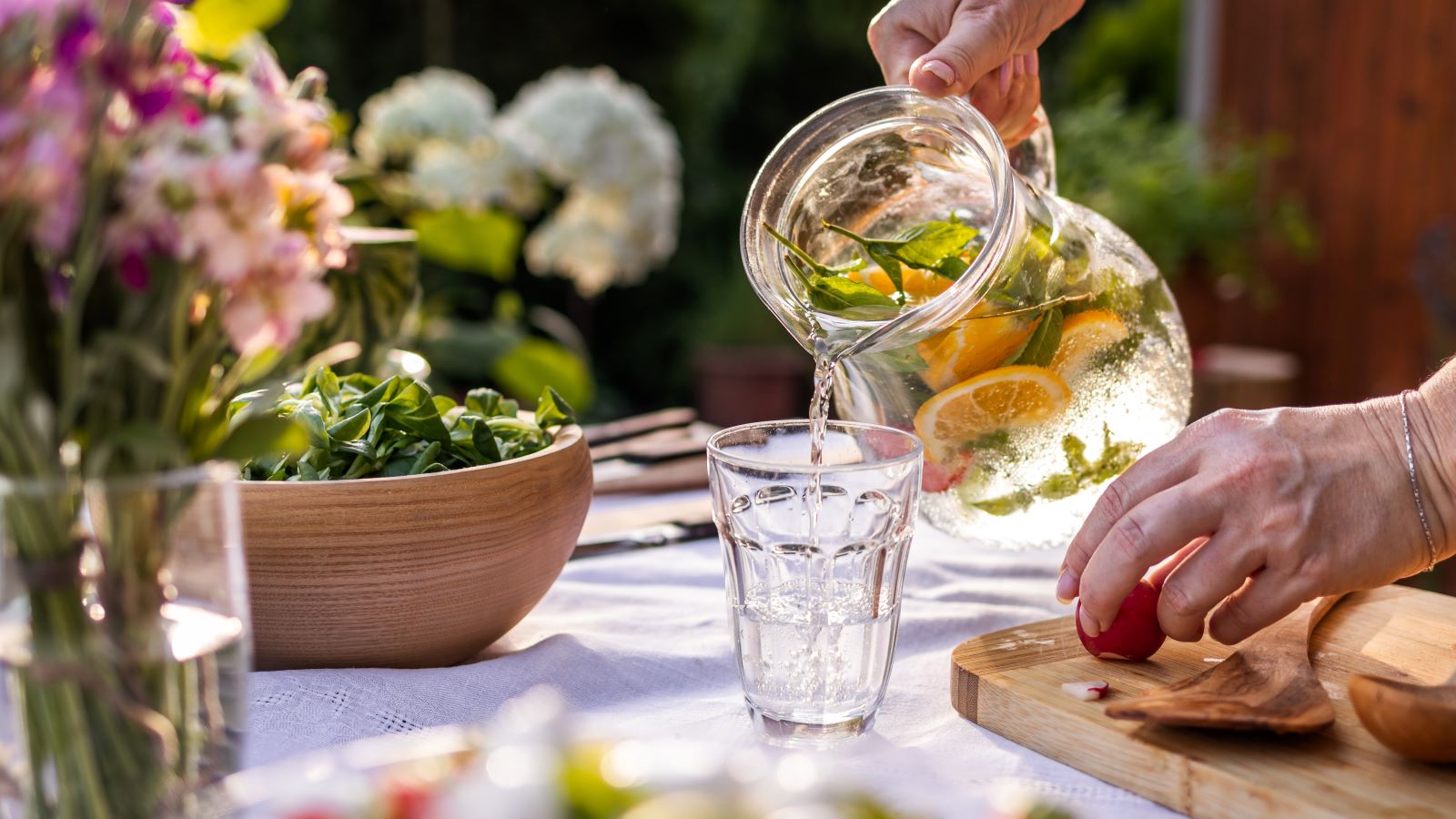
If plain water just doesn’t excite you, try adding some citrus. Not only does it add flavor, but lemons and limes also contain citrate, a natural substance that can help make it harder for kidney stones to form.
“Citrate can help prevent crystals from binding together and becoming stones,” Dr. Liaw says. “For some patients, increasing citrate through diet or medication can be an important part of prevention.”
Try squeezing lemon or lime into your water or choosing citrus-forward drinks without a lot of added sugar.
> Related: 3 Signs Your Back Pain Is Actually From Kidney Stones
3. Watch your salt intake
Too much sodium can increase the amount of calcium in your urine, which may raise your risk for kidney stones.
“People often focus on calcium, but sodium is a big part of the conversation,” Dr. Liaw says. “When you eat a lot of salt, your body can release more calcium into the urine, which can contribute to stone formation.”
But most of the sodium you eat isn’t coming from your salt shaker. It comes from packaged, canned, and restaurant foods: think deli meat, frozen meals, soups, chips, sauces, and fast food.
Try starting with one simple swap:
- Choose “low sodium” or “no salt added” versions.
- Rinse canned beans or vegetables.
- Season with herbs, lemon, garlic or vinegar instead of salt.
- Check nutrition labels before buying packaged foods.
Want a Weekly Dose of Health News?
4. Don’t cut out calcium unless your doctor tells you to
It sounds backwards, but it’s true: Getting enough calcium from food can actually help prevent some kidney stones.
That’s because calcium can bind with oxalate in your digestive tract before it reaches your kidneys. Without enough calcium, more oxalate may end up in your urine.
“One of the biggest misconceptions is that people with calcium stones should avoid calcium completely,” Dr. Liaw says. “In many cases, getting the right amount of calcium from food can actually be protective.”
Good food sources may include milk, yogurt, cheese or calcium-fortified options. But calcium supplements are different, and they aren’t right for everyone. Talk with your doctor before starting one.
> Related: Does Sugar Cause Kidney Stones?
5. Watch out for oxalate-rich foods
Oxalate is a natural substance found in many foods. For some people, eating a lot of high-oxalate foods can increase the risk of kidney stones.
Common high-oxalate foods include:
- Spinach
- Rhubarb
- Almonds and other nuts
- Peanuts
- Wheat bran
- Beets
- Dark chocolate
But this doesn’t mean you need to avoid every healthy food on the list.
“We don’t want people to walk away thinking every healthy food is off limits,” Dr. Liaw says. “The right diet depends on the type of stone you form, your urine studies and your overall health.”
> Related: These 5 Tips Could Help You Avoid Kidney Stones
6. Limit animal protein
If your meals are heavy on meat, eggs, or seafood, your kidneys may be getting more stone-forming material than they can comfortably handle.
Animal protein can increase the risk uric acid stones. It can also affect urine chemistry in ways that make stones more likely.
You don’t have to give up protein altogether – your body still needs it. Portion size also matters.
Try mixing in more plant-based options, like:
- Beans
- Lentils
- Tofu
- Whole grains your doctor says are right for you
“Kidney stone prevention is rarely about one extreme change,” Dr. Liaw says. “It’s usually about balance: drinking enough, watching sodium, and making diet choices that fit your specific stone risk.”
> Related: A Lemon a Day Could Keep Kidney Stones Away
Here’s when it’s time to see your doctor
If you’ve had a kidney stone before, don’t just hope it was a one-time thing.
Your doctor can help figure out what type of stone you had and whether you need blood tests, urine testing, dietary changes, or medication to reduce your risk.
And if you develop severe pain, fever, chills, vomiting, blood in your urine, or trouble urinating, don’t wait.
“Stones are common, but they’re not something you have to manage alone,” Dr. Liaw says. “If you’ve had multiple kidney stones or you’re worried about your risk, we can help identify why they’re forming and what you can do to prevent them.”