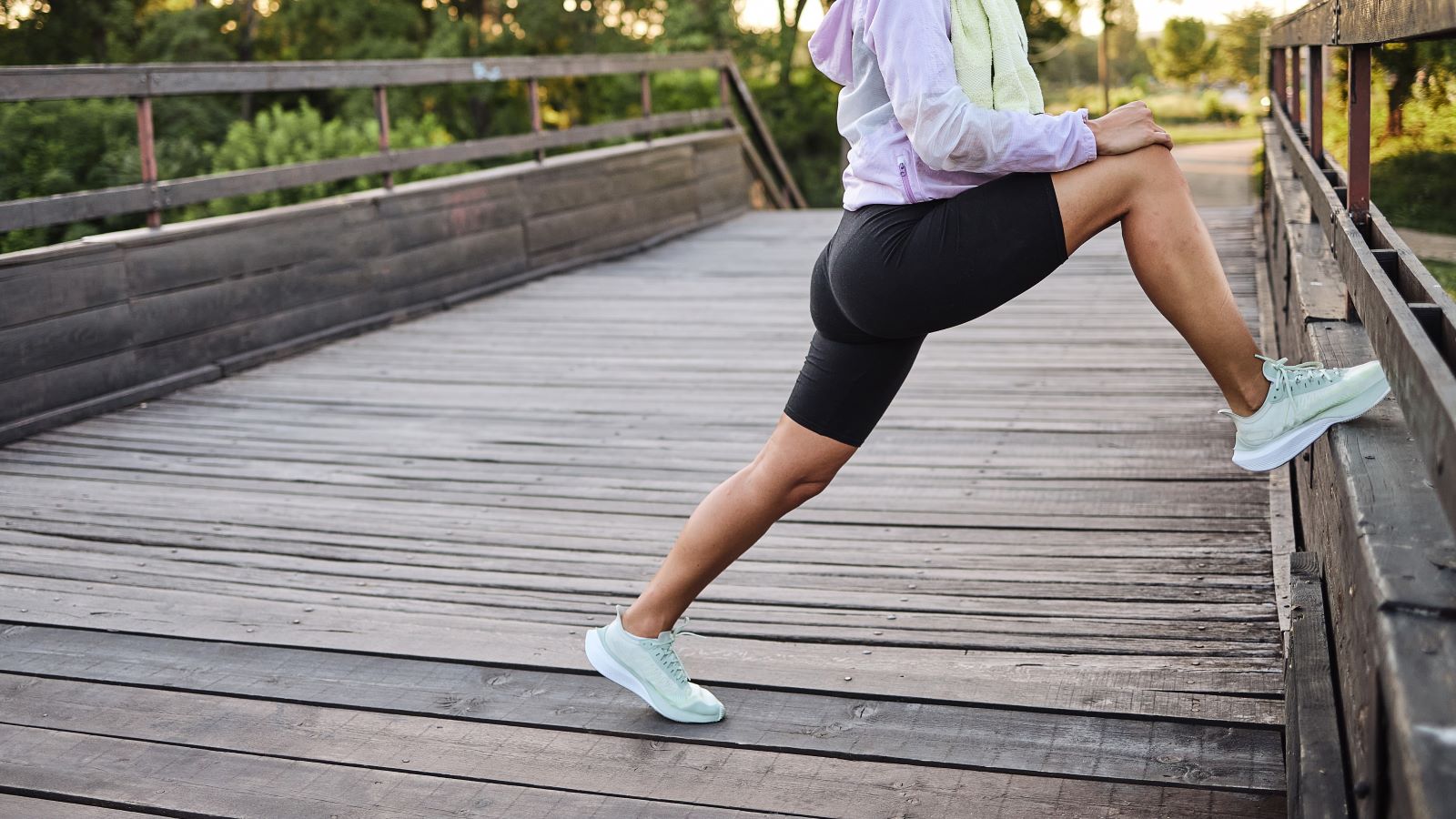

Your hips do a lot more than you realize.
They help support your weight, keep you balanced and power almost every step you take. But after years of wear and tear, that important job can start to take a toll.
“The hip is a major weight-bearing joint,” says Vipul Dua, MD, an orthopedic surgeon with Hartford HealthCare. “As we age, the cartilage that cushions the joint can gradually wear down, which by definition is called osteoarthritis”
But there’s a lot you can do to protect your hips as you age and stay active for years to come. Here’s where to start.
1. Maintain a healthy weight
Extra weight increases pressure across your hip joint with every step.
“For weight-bearing joints like the hip, even small increases in body weight can significantly increase joint stress,” Dr. Dua says.
Losing even a little weight can reduce strain and help protect your hips as you age.
> Related: Why Your Hip Pops When You Move (and When to Worry)
2. Strengthen your glutes
Your glutes are some of the key muscles that support your hips. When they’re weak, your hip joint may end up taking on more force than it should.
“Strong surrounding muscles help offload pressure from the joint itself,” says Dr. Dua.
Exercises like bridges, clamshells, step-ups and resistance band work can all help support your hips safely.
> Related: Why Your Hips Hurt as You Age
3. Keep moving with low-impact cardio
Movement helps keep your joints flexible and working the way they should. Low-impact activities like walking, swimming or cycling keep your hips moving without putting too much stress on them.
“Regular activity helps preserve joint function,” Dr. Dua says. “Inactivity can lead to stiffness and muscle weakness.”
The key is consistency, not intensity, so pick something you actually enjoy.
> Related: 4 Stretches for Tight Hip Muscles
4. Improve flexibility and range of motion
Tight hip flexors and hamstrings can change the way you move and put more stress on the joint.
Gentle stretching or yoga can help improve mobility and ease some of the tension.
Adding flexibility work to your routine can go a long way toward protecting your hips as you age.
Want a Weekly Dose of Health News?
5. Focus on balance and fall prevention
Hip fractures become more common with age, often because of falls. Working on your balance and stability can help lower that risk.
“Use a walker or a cane if needed to improve balance and stability” Dr. Dua says
Simple exercises like single leg stands, core strengthening and stability training can help protect your hips by lowering fall risk.
> Related: 4 Everyday Habits That Could Be Making Your Hip Pain Worse
6. Wear supportive footwear
Your hips are part of a chain that includes your knees, ankles and feet.
If your shoes don’t give you enough support, they can throw off your alignment and change how force moves through your body.
Supportive footwear helps maintain proper mechanics and reduce cumulative stress on your hips.
> Related: 5 Worst Shoes for Your Feet
7. Don’t ignore persistent groin or outer hip pain
Hip pain often shows up in the groin, outer thigh or even the knee.
“Ongoing pain that doesn’t improve should be evaluated,” Dr. Dua says.
Catching the problem early, whether it means physical therapy or another treatment, can help keep it from getting worse.
> Related: 5 Things to Know About Hip and Back Pain
8. Cross train instead of overloading one activity
Doing the same movement over and over can increase wear and tear.
“Avoid overuse and sudden activity increases to decrease the incidence of bursitis or tendonitis around your hip” Dr. Dua says.
Mixing up your workouts, like alternating walking with swimming or strength training, helps spread the stress across different muscles and joints.
> Related: 2 Exercises for Hip Pain You Can Do at Home
9. Build bone strength
Bone density naturally declines with age, especially in women after menopause.
“Strength and resistance training should be part of your exercise regime, to slow bone loss, maintain muscle mass and reduce fracture risk” Dr. Dua strongly believes
Weight-bearing exercise, enough calcium and vitamin D, and bone health screenings when needed can all help lower your fracture risk.
Strong bones are just as important as healthy cartilage when you’re working to protect your hips.
Here’s when it’s time to see your doctor
Hip pain may be common as you get older, but that doesn’t mean it’s something you just have to live with.
Talk to your provider if you notice:
- Persistent groin or outer hip pain
- Stiffness that limits daily activity
- Pain that wakes you at night
- Difficulty bearing weight
Taking steps now to protect your hips can help you stay mobile, independent and doing the things you love.