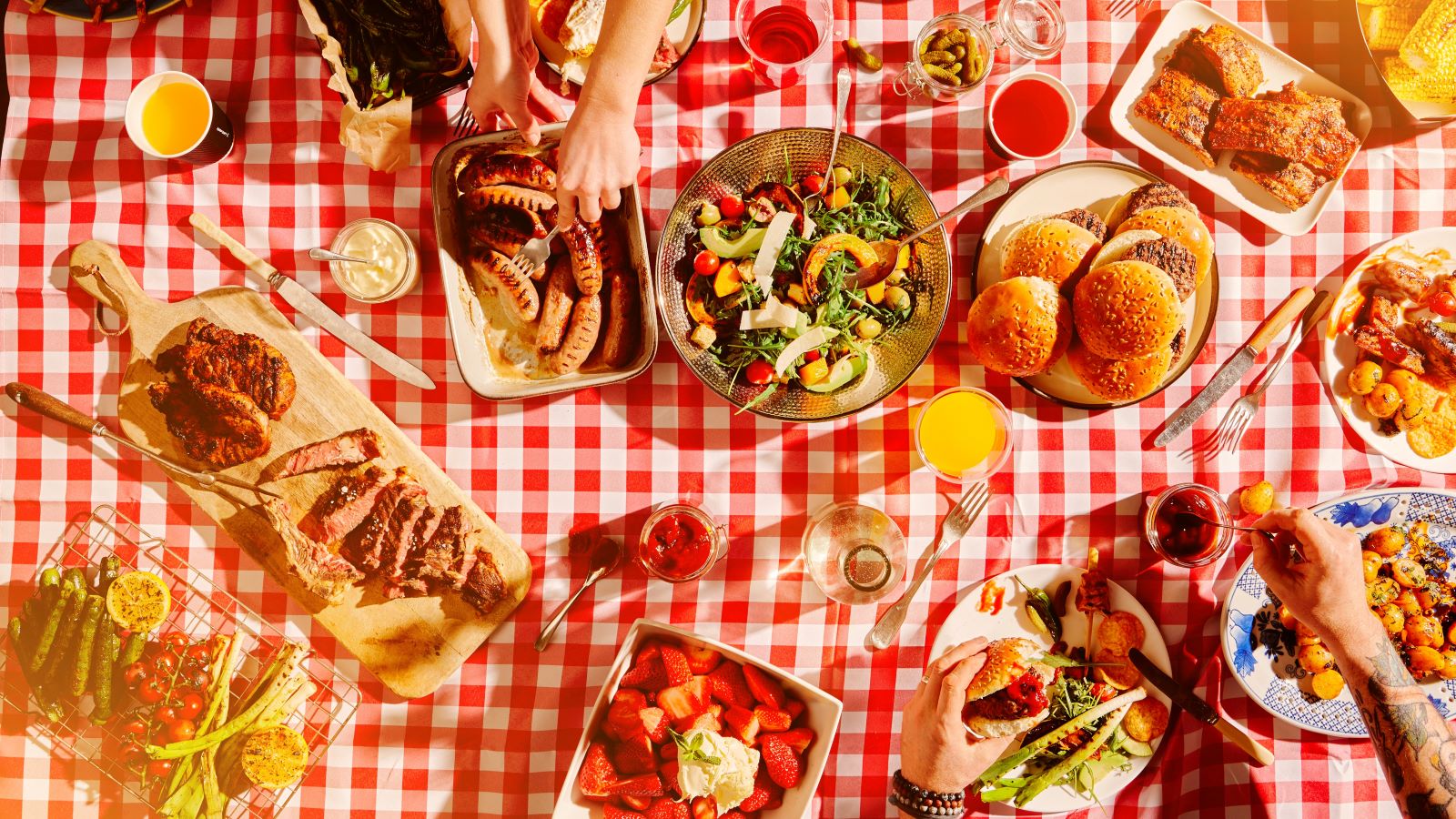

The grill is hot, the cooler is packed and everyone is going back for seconds.
But while burgers and pastas salad are cookout staples, they can also become food safety risks faster than you think
“Warm weather, outdoor prep and shared serving areas can all increase the risk of foodborne illness,” says Syed Z. Hussain, MD, with Hartford HealthCare. “The good news is that a few simple habits can help keep your cookout safe.”
Before your next backyard barbecue, watch out for these common food safety mistakes.
Find an Urgent Care Center near me
1. Trusting your eyes instead of a thermometer
Your burgers and chicken might have the perfect grill marks and look ready to eat, but color alone doesn’t tell you whether food is safe to eat.
“Using a food thermometer is the safest way to know whether meat, poultry or seafood has reached the right temperature,” Dr. Hussain says.
Those temperatures matter because enough heat is needed to kill harmful bacteria that can cause food poisoning.
A few numbers to remember:
- Chicken and turkey: 165°F
- Ground beef:160°F
- Steaks and pork: 145°F
- Fish:145°F
Make sure to check the thickest part of the food, not just the crispy edge that looks ready.
> Related: 8 Healthy Swaps for Your Next Summer Cookout
2. Putting cooked food back on the same plate
You carry raw burgers out to the grill on a plate. Then, without thinking, you use that same plate for the cooked burgers.
That one, simple move can spread harmful bacteria and put your food at risk.
“When raw meat, poultry or seafood touches a plate or utensil, bacteria can be left behind,” Dr. Hussain says. “If cooked food goes back on that same surface, it can become contaminated again.”
Use separate plates, cutting boards and utensils for raw and cooked foods. And if you need to reuse something, wash it well with hot, soapy water before using it again.
> Related: 6 Healthy Summer Meals That Are Good for Your Heart
3. Letting food sit out all afternoon
The best cookouts have a way of lasting all day. Before you know it, lunch has turned into snacks and suddenly, it’s dinnertime.
But how long has the potato salad been sitting out?
“Perishable foods should not sit out all day, even if they still look or smell fine,” Dr. Hussain says. “Bacteria can grow quickly at warm temperatures.”
As a general rule, refrigerate perishable foods within two hours. And if it’s hotter than 90°F outside, make it one hour.
That includes meat, seafood, dairy, cut fruit, cooked leftovers and many prepared sides.
> Related: 9 Fresh and Healthy Grill Ideas for Your Summer Cookouts
4. Forgetting about the cooler
The cooler doesn’t just keep your drinks cold. It also keeps your food out of the dangerous temperature range where bacteria multiply quickly.
“Cold foods need to stay cold until you’re ready to cook or serve them,” Dr. Hussain says. “That matters especially for raw meat, dairy-based dishes and anything with eggs or mayo.”
Pack cold foods with plenty of ice or frozen gel packs, and keep the cooler closed as much as possible.
One easy trick: Use one cooler for drinks and another for food. That way, the food cooler isn’t being opened every time someone grabs a seltzer.
Want a Weekly Dose of Health News?
5. Washing raw chicken
Rinsing raw chicken might feel like a good choice for food safety. But it can actually spread bacteria from the chicken to your sink, counters and other nearby surfaces.
“Washing raw poultry is not necessary, and it can increase the risk of spreading bacteria,” Dr. Hussain says. “Cooking it to the right temperature is what makes it safe.”
Instead of rinsing, take the chicken straight from the package to the grill or prep surface. Then wash your hands, clean anything the raw chicken touched and cook it to a safe termperature of 165°F.
> Related: 9 Summer Superfoods to Add to Your Diet
6. Using the same tools from start to finish
If you’re using the same tongs for everything from placing your raw chicken to grabbing hamburger buns, you might be unknowingly spreading bacteria across your food.
“Think of grilling tools the same way you think about plates,” Dr. Hussain says. “Once they touch raw meat, they should be washed before touching cooked food.”
Keep a clean set of tongs or a clean spatula nearby for cooked food, or wash your tools before reusing them.
> Related: 12 Kitchen Tools That Make Meal Prep Easier Than Ever
7. Assuming leftovers are always safe tomorrow
A fridge full of leftovers might be one of the best parts of a cookout, but only if the food was handled safely before it got there.
“If food sat out too long before it went into the fridge, refrigerating it later does not undo that risk,” Dr. Hussain says. “When in doubt, throw it out.”
Store leftovers in shallow containers so they cool faster, and don’t leave them in the sun during clean-up
Aim to get perishable foods back into the fridge before that two-hour mark, or one hour if it’s especially hot.
> Related: 13 Oven-Free Healthy Summer Meals and Snacks
A few small habits can save the day
Food safety doesn’t have to take the fun out of your cookout.
“Most cookout food safety mistakes are easy to prevent once you know what to watch for,” Dr. Hussain says. “A little planning can help everyone enjoy the meal safely.”