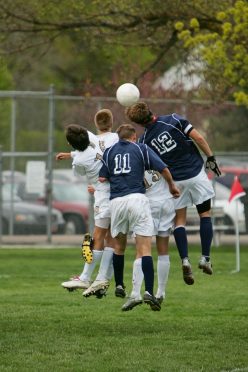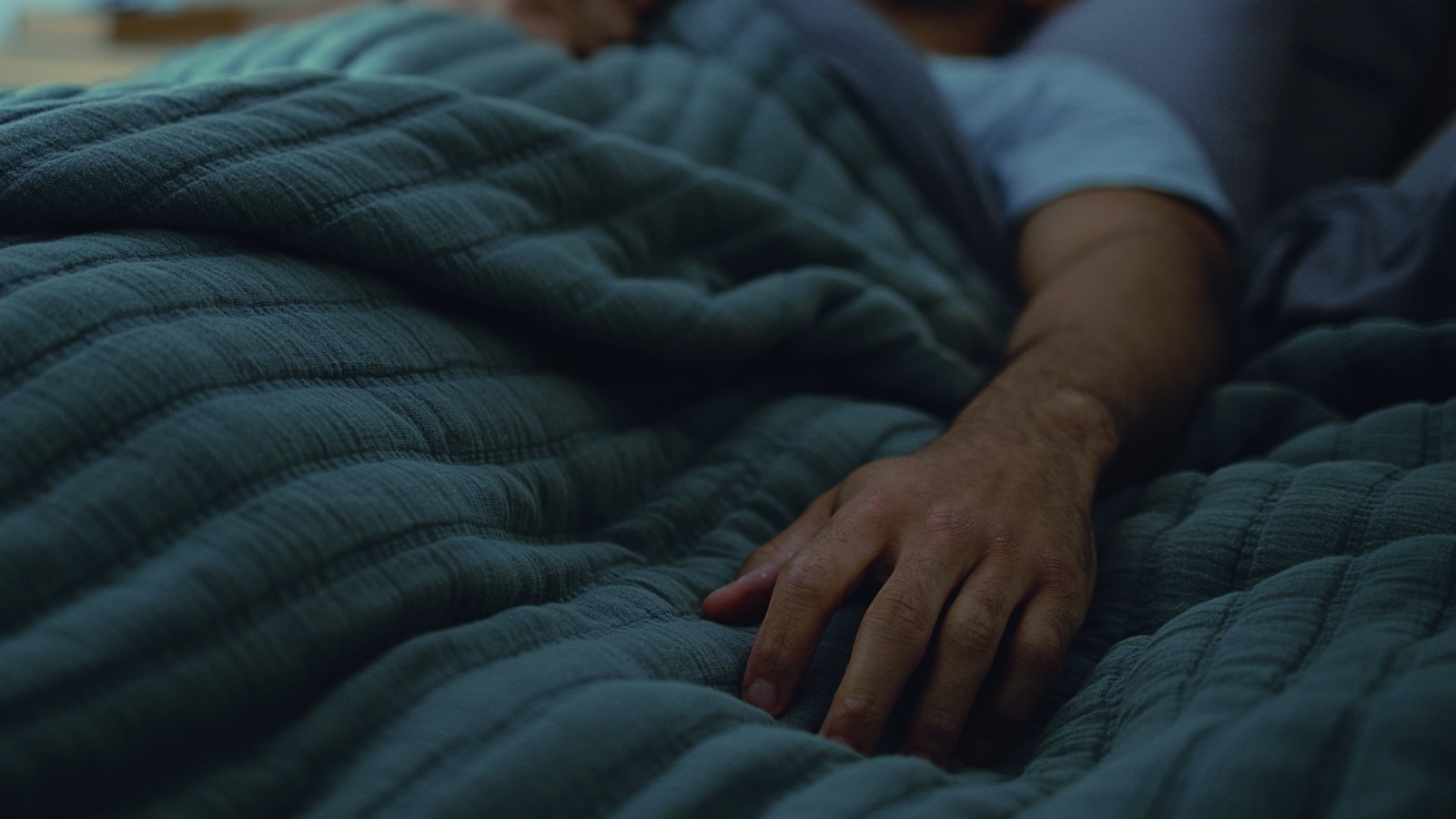

If you’ve ever hit your head, chances are that someone told you not to fall asleep.
It’s a piece of advice that’s been passed around for years, but is it actually necessary to stay awake after a concussion?
“You can usually sleep after a concussion once a more serious brain injury has been ruled out,” says Stephanie Alessi-LaRosa, MD, with Hartford HealthCare’s Ayer Neuroscience Institute. “Sleep is an important part of the brain’s recovery, but it’s also important to monitor someone closely in the first few hours after an injury.”
Here’s what to know about getting some rest after a concussion.
You don’t need to force yourself to stay awake
A concussion is a mild traumatic brain injury that affects how your brain functions. Feeling more tired than usual is common, along with symptoms like headaches, dizziness and difficulty concentrating.
But staying awake doesn’t prevent complications or help your brain recover faster. So where did that advice come from?
“The concern was never really about sleep itself,” says Dr. Alessi-LaRosa. “It was about missing signs of a more serious injury while someone was asleep, especially if they became difficult to wake.”
If you think you have a concussion, it’s important to get checked out. Once you’ve been evaluated and cleared to rest at home, sleep can actually help your brain recover.
Just be sure to pay attention to how you’re feeling. Being tired after a concussion is normal, but becoming increasingly drowsy or struggling to stay awake is more concerning.
If you develop a worsening headache, increasing confusion, repeated vomiting or have difficulty staying awake or being woken up, seek emergency medical attention. These aren’t symptoms you should try to sleep off.
> Related: 5 Ways to Get Rid of Your Headache
Do you need to be woken up overnight after a concussion?
You might have also heard that someone needs to wake you every few hours after a concussion to make sure you’re okay. But in many cases, that’s unnecessary.
“There’s a role for making sure someone can be awakened and is responding normally during the first few hours after a head injury,” says Dr. Alessi-LaRosa. “But that doesn’t mean we want to keep someone awake unnecessarily when their brain needs rest.”
Your doctor may recommend having another adult stay with you during the first 24 hours after your injury. That way, someone is there to notice any changes in your symptoms and get you medical attention if needed.
Depending on your injury, your doctor might also recommend recommend overnight checks. But unless you’re specifically instructed to wake up at certain intervals, you can generally sleep through the night.
Want a Weekly Dose of Health News?
How a concussion can affect your sleep
Even when it’s safe to sleep after a concussion, your usual sleep habits don’t always return to normal right away.
Some people sleep much more than usual, while others have trouble falling asleep or staying asleep. You might also notice that you’re more tired during the day, even after a full night’s rest.
“The brain has experienced an injury, so it’s not unusual for sleep to feel different for a while,” says Dr. Alessi-LaRosa. “Those changes often improve as the concussion heals.”
A few adjustments can help you get the rest you need:
- Sleep when you’re tired. During the first two days, once a doctor has ruled out a more serious brain injury or determined it’s less likely, allow yourself to sleep when your body needs it.
- Ease back into your normal sleep routine. After the first two days, work toward your usual bedtime and wake-up time.
- Set yourself up for better sleep. Keep your bedroom dark and quiet, and put away your phone before bed if screen time is making it harder to fall asleep.
When to start moving again after a concussion
While sleep is important when you’re recovering from a concussion, that doesn’t mean you need to stay in bed all day.
After the first day or two, you can generally start returning to light activities, like taking a short walk, as long as your symptoms don’t get significantly worse.
“Too much activity too soon can make symptoms worse, but staying in a dark room for days isn’t usually helpful either,” says Dr. Alessi-LaRosa. “Recovery is about finding the right balance.”
Pay attention to how you feel as you become more active, and give yourself breaks when you need them. If your symptoms are getting worse, seek medical attention.