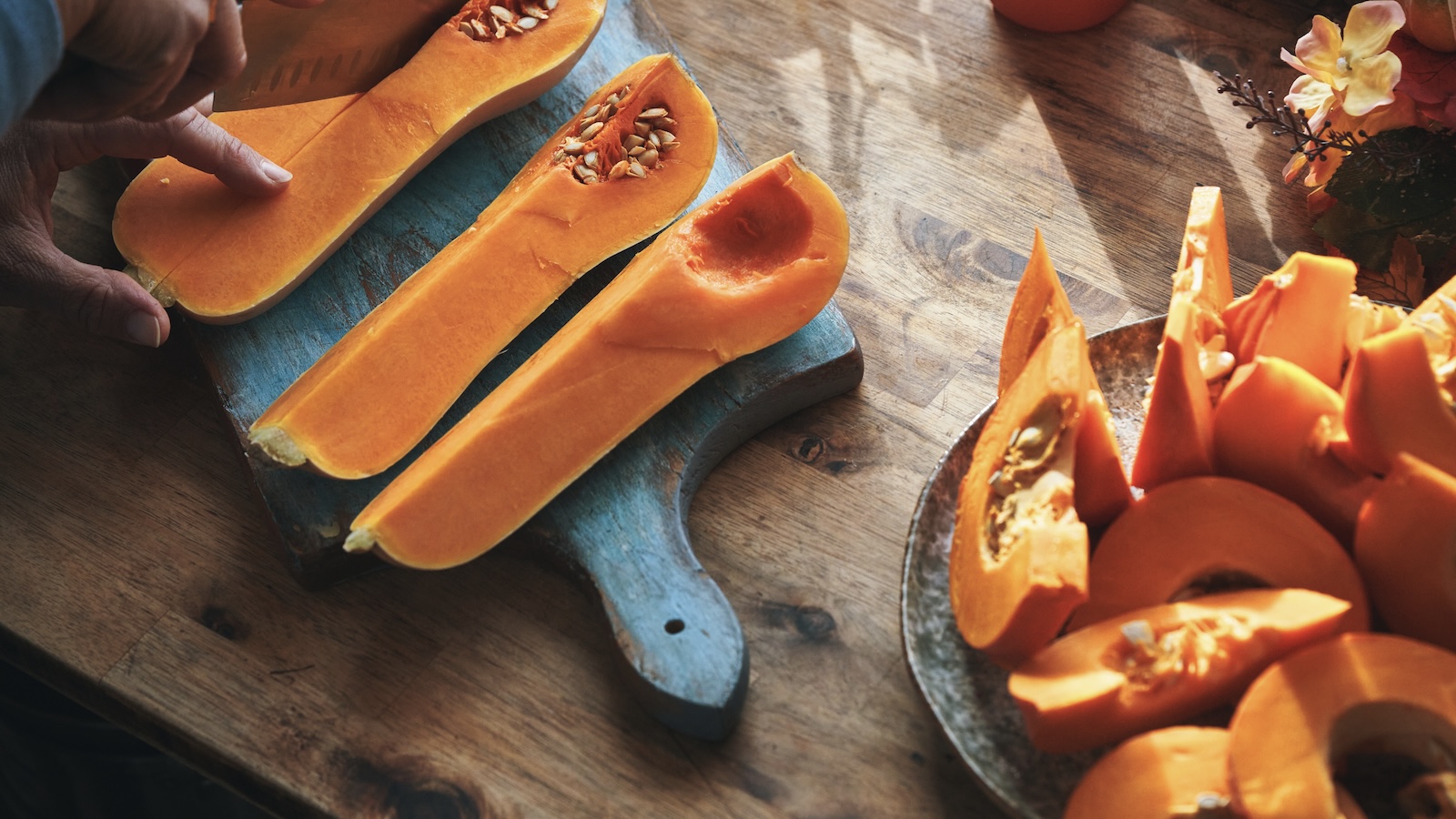

Every fall, butternut squash suffers the same fate: straight into the soup pot.
But roast it, air fry it, mash it or blend it and suddenly you have a healthy ingredient that works in everything from mac and cheese to tacos.
“Butternut squash gives you a lot of nutrition for relatively few calories,” says Ulysses Wu, MD, with Hartford HealthCare. “It’s rich in fiber, potassium, vitamins A and C and antioxidants that support your immune system, eye health and overall wellness. Because it’s naturally sweet, it can also satisfy cravings without relying on a lot of added sugar.”
And don’t let its intimidating exterior scare you off.
“If you only use butternut squash for soup, you’re missing out,” Dr. Wu adds. “It works in so many different dishes. Once you learn a few simple ways to prepare it, it becomes one of the easiest vegetables to build meals around.”
Here are six ways to think beyond the soup pot.
1. Roast it until the edges are caramelized
Sometimes all squash needs is a hot oven and a little patience.
Roasting brings out its natural sweetness while giving you crisp, browned edges and a soft center. Serve it alongside chicken or fish, toss it into a bowl or eat a few pieces straight from the sheet pan. We won’t judge.
“When you roast vegetables, you’re concentrating their natural flavor instead of covering them with heavy sauces,” says Dr. Wu. “A little olive oil, garlic, pepper and herbs are all you need. You’re letting the vegetable shine while still getting healthy fats that help your body absorb fat-soluble vitamins.”
Planning to just add a dash of salt and pepper? Don’t be afraid to get creative.
“Warm spices like cinnamon, smoked paprika, cumin or rosemary all pair beautifully with squash,” Dr. Wu adds. “Experimenting with herbs and spices is one of the easiest ways to make healthy meals feel exciting.”
> Related: 7 Easy Swaps to Make Any Soup a Little Healthier
2. Add it to tacos
Roasted butternut squash pairs surprisingly well with black beans, avocado, pickled onions, cilantro and fresh lime.
Add chili powder and cumin and you won’t even miss the meat.
“Meals that combine vegetables with beans or lean protein will keep you satisfied much longer,” says Dr. Wu. “You’re getting fiber, protein and healthy carbohydrates all working together, which supports steady energy and blood sugar.”
The sweetness of the squash also plays nicely with heat, so this is a great place to bring out your favorite salsa or hot sauce.
And if Mexican isn’t for you, try getting creative with other ethnic spice blends like garam masala, coriander, miso paste, or gochujang.
> Related: 6 Fruits and Vegetables Worth Adding to Your Plate This Fall
3. Turn it into pasta sauce
Who says pasta sauce needs heavy cream?
Roasted butternut squash blends into a naturally smooth sauce with garlic, low-sodium broth, Parmesan and a splash of milk. You still get the creamy texture you want, without relying on heavy cream.
“This is one of my favorite ways to sneak more vegetables into a meal without anyone feeling like they’re eating vegetables,” says Dr. Wu. “The squash naturally creates a creamy texture, so you can use much less butter or cream than traditional sauces.”
And your pasta will never know the difference.
“Pair it with whole-grain pasta and grilled chicken or white beans, and you’ve created a well-balanced meal,” Dr. Wu adds.
Want a Weekly Dose of Health News?
4. Build a grain bowl around it
Roasted butternut squash is right at home with quinoa, farro or brown rice, plus greens, chickpeas, roasted chicken and a simple vinaigrette.
“Grain bowls are a great way to build balanced meals because they naturally include several food groups,” says Dr. Wu. “Start with plenty of vegetables, then add protein, a whole grain and some healthy fat. That mix provides fiber and protein that can help you stay satisfied through the afternoon.”
You don’t need a dozen ingredients to make a grain bowl worth eating.
“Use what you already have,” Dr. Wu adds. “Leftover roasted vegetables, canned beans and cooked grains can all become part of the next day’s lunch, which can also help you waste less food.”
> Related: How to Make a Viral Kibble Bowl That’s Actually Healthy
5. Sneak it into mac and cheese
Pureed butternut squash blends beautifully into homemade cheese sauce, adding creaminess and nutrients without disrupting the comfort food vibe.
“You can replace part of a traditional cheese sauce with squash puree and still keep plenty of the flavor and texture you enjoy,” says Dr. Wu. “It’s a practical way to add a vegetable while reducing how much cheese or butter the recipe needs.”
And if vegetables tend to be a tough sell at your house, this might be the perfect solution.
“Serving vegetables in different forms can help you and your family add more variety to your diet,” Dr. Wu adds. “You can still serve vegetables on the side but incorporating them into familiar meals gives you a less intrusive opportunity to enjoy them.”
> Related: Here’s Why You Should Add More Squash to Your Diet
6. Turn your fall salad into a meal
Cold lettuce sounds a lot less appetizing once sweater weather arrives.
Warm roasted squash transforms a basic salad into something hearty enough for dinner, especially when paired with spinach, arugula, apples, dried cranberries and walnuts.
“Adding a warm roasted vegetable gives a salad more substance, but protein is what really helps turn it into a meal,” says Dr. Wu. “Chicken, chickpeas, lentils, eggs or another protein source will help you stay full longer than vegetables alone.”
Texture matters though, so don’t overcook it.
“When it’s cooked properly, squash is a great serving vessel on its own. You can cut it in half and stuff it with rice, fruits, veggies or lean meats – whatever your heart desires. But you want a mix of crunchy, creamy and chewy ingredients,” Dr. Wu adds. “That variety keeps meals interesting and makes healthy eating easier to stick with.”
> Related: How to Make a Salad That’s Filling (and Tasty)
Make this the season you branch out
Butternut squash soup is delicious, but if that’s the only way you’re enjoying one of fall’s most versatile vegetables, you’re missing an opportunity.
“My biggest advice is not to overthink it,” says Dr. Wu. “Pick one new recipe each week and give it a try. Healthy eating doesn’t happen because you completely change your diet overnight. It happens because you keep finding simple foods you genuinely enjoy.”