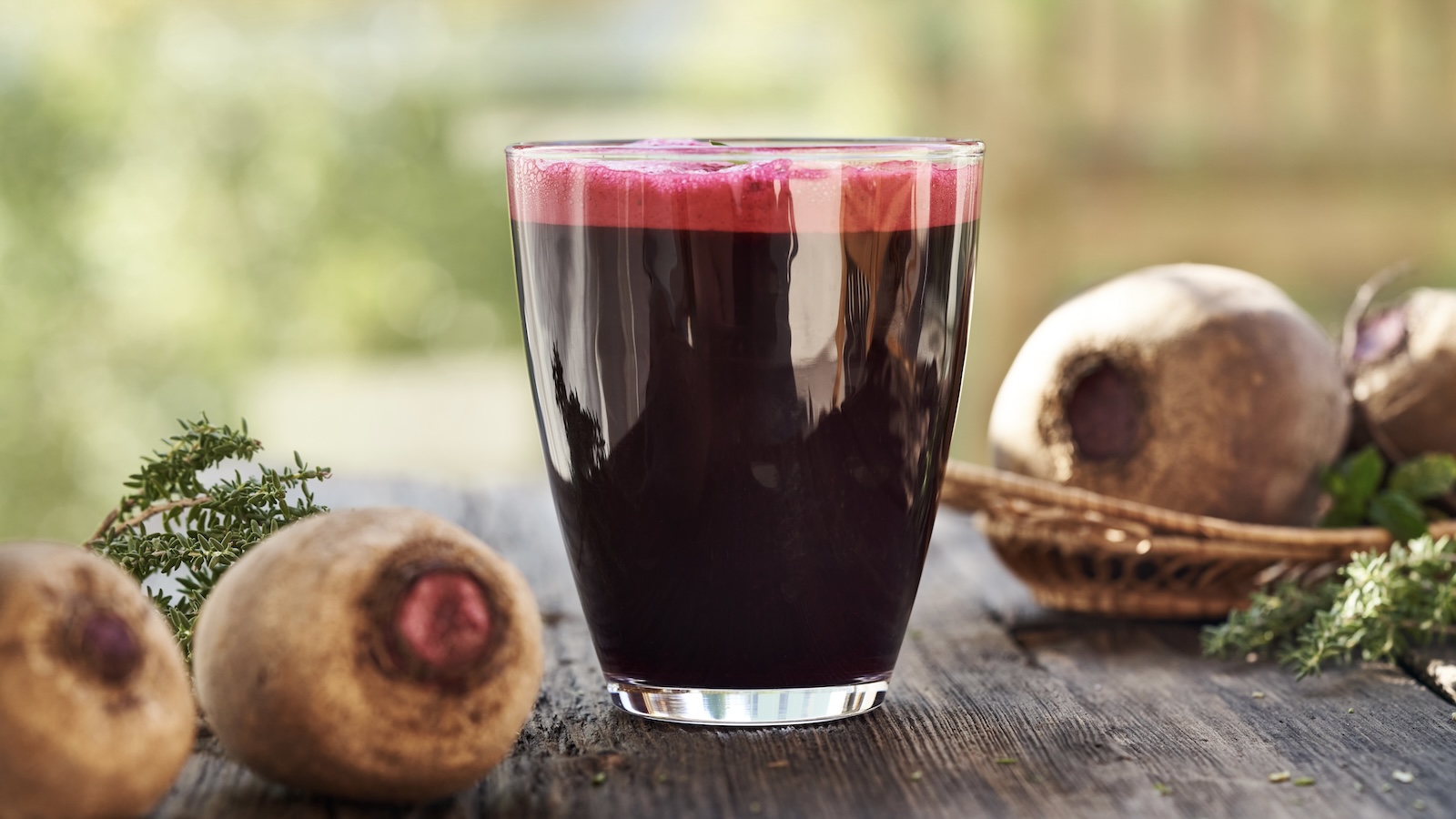

Beet juice has been around for years, but lately it’s been getting a lot of attention for a different reason: it’s impact on blood pressure.
And unlike many wellness trends, there’s actually some research behind this one.
Studies suggest the naturally occurring nitrates in beets may help relax your blood vessels and lower systolic blood pressure (the top number on your reading).
“Beet juice isn’t a magic fix for high blood pressure, but there is some evidence that it may have a modest effect,” says Cody Krawec, RD, with Hartford HealthCare. “The key is looking at it as one part of an overall heart-healthy diet, rather than something that replaces other ways of managing your blood pressure.”
So is beet juice worth adding to your diet? Here are five things to know.
1. The nitrates in beet juice help your blood vessels relax
The connection between beet juice and blood pressure is linked to naturally occurring nitrates in the juice.
After you consume them, your body converts those nitrates into nitric oxide, which helps your blood vessels relax and widen. That makes it easier for blood to flow and in turn, can help lower your blood pressure.
“Think of nitric oxide as helping your blood vessels loosen up a little,” says Krawec. “When blood can move through them more easily, there may be less pressure against the walls of your arteries.”
Beets are especially high in nitrates, but they’re not from the only possible source. Leafy greens like spinach and arugula contain them too.
> Related: Can Exercise Lower Blood Pressure? Here’s How Much You Really Need
2. The biggest change seems to be in systolic blood pressure
If you’re hoping beet juice will dramatically lower your blood pressure, it’s important to keep your expectations realistic.
A 2024 review of 11 clinical trials found that nitrate-rich beetroot juice lowered systolic blood pressure by about 5 points on average in people with hypertension.
Researchers didn’t find the same significant improvement in diastolic blood pressure (the bottom number).
“A few points can still be meaningful, especially when you’re talking about cardiovascular health,” says Krawec. “But the response can vary from person to person, and we don’t want people thinking one glass of beet juice is going to solve high blood pressure.”
That’s also why researchers are still studying beet juice and blood pressure, with a focus on what happens when people drink it regularly over longer periods of time.
> Related: 8 Things That Can Raise Your Blood Pressure Besides Salt
3. It may start working within a few hours
One of the more interesting things about beet juice is that its effects happen fairly quickly.
Some studies have seen blood pressure begin to drop within a few hours of drinking beet juice because of rising nitrate levels.
But that short-term effect doesn’t necessarily mean your blood pressure will stay lower all day, or that drinking beet juice occasionally will have a lasting impact.
“You may see a temporary change in blood pressure after drinking it, but managing hypertension is about what you do consistently,” says Krawec. “Your overall eating pattern, physical activity, medications and other health habits are still going to matter much more.”
Want a Weekly Dose of Health News?
4. There’s no magic amount you need to drink
If you search online, you’ll probably find plenty of recommendations on how many ounces of beet juice you should drink each day, but the research isn’t that clear.
Studies have used different amounts and different concentrations of nitrate, so there isn’t one serving that’s been proven to work for everyone.
“You don’t need to start drinking huge glasses of beet juice every day to get the benefits of beets,” says Krawec. “If you enjoy it, it can certainly fit into your diet, but more isn’t automatically better.”
If you’re buying bottled beet juice, check the nutrition label too. Some products may contain added sugar or be blended with other juices, which can change what you’re getting in each serving.
> Related: These 6 Foods Can Lower Your Blood Pressure Naturally
5. Beet juice shouldn’t replace your blood pressure medication
This is probably the most important thing to remember about the effects of beet juice on your blood pressure: Even if beet juice helps lower your numbers, it isn’t a substitute for medication or the treatment plan you’ve made with your doctor.
But your diet can still have a positive impact on your blood pressure
“You can also support your heart by choosing foods that are naturally rich in nitrates, including whole beets, spinach and arugula,” says Krawec. “Whole vegetables give you those nitrates along with fiber, vitamins and minerals that you won’t get in the same amounts from juice.”