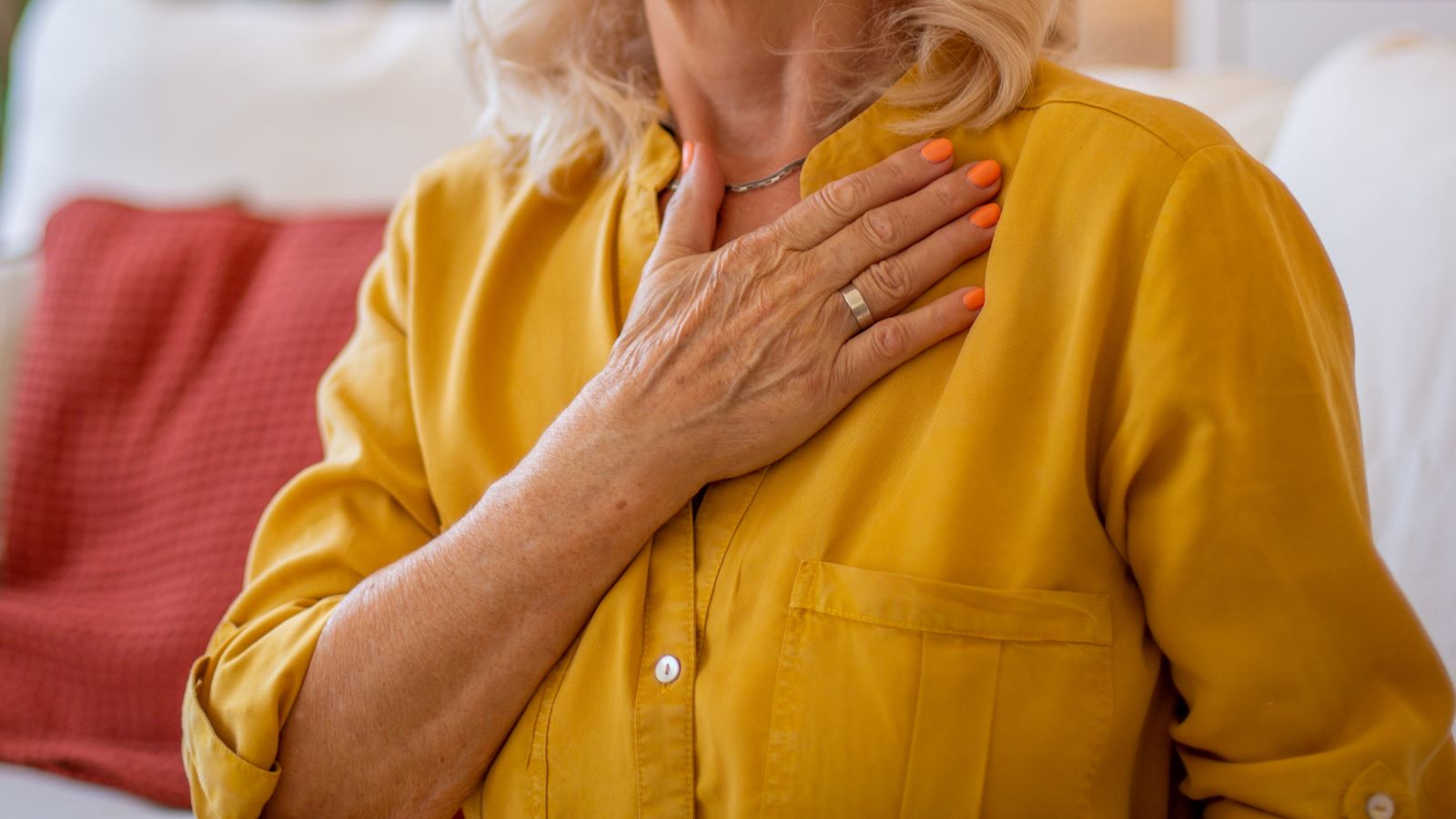
Most people don’t feel their heart getting older. But as you age, subtle changes in your heart and blood vessels can lead to problems, even if you’ve felt healthy for years.
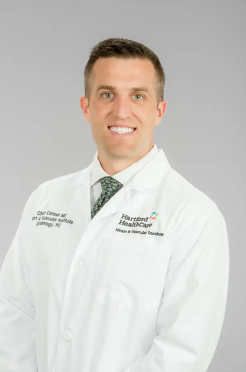
“Your heart and blood vessels change as you get older, even if you’ve lived a relatively healthy life,” says Chad Conner, MD, a cardiologist with Hartford HealthCare’s Heart and Vascular Institute. “Those changes can make heart problems more likely but understanding them gives you a chance to slow things down.”
Here’s what’s happening behind the scenes.
Your blood vessels stiffen
When you’re younger, your arteries are flexible and elastic, allowing blood to flow easily. As you age, those vessels naturally become stiffer.
“As arteries stiffen, your heart has to work harder to push blood through them,” Dr. Conner says. “That extra strain raises your risk for high blood pressure, heart attack and stroke.”
Stiffer arteries also make it easier for plaque to build up along vessel walls, which can limit blood flow to your heart and brain.
> Related: 7 Easy Ways to Protect Your Heart as You Age
Plaque has had more time to build up
Heart disease rarely happens all at once. It develops slowly, often over decades.
“Cholesterol plaque accumulates over time,” Dr. Conner says. “The longer you live, the more opportunity there is for buildup, especially if you have risk factors. These can include family history of heart disease smoking, high cholesterol, high blood pressure or diabetes.”
Even people who feel well and stay active may have narrowing in their arteries without obvious symptoms.
> Related: How Stress Affects Your Heart
Your heart muscle changes
Like the rest of your body, your heart muscle changes with age.
“The heart can become stiffer and less efficient,” Dr. Conner says. “It may not relax as well between beats, which can affect how it fills with blood.”
These changes don’t always cause symptoms right away, but over time they can contribute to conditions like heart failure, particularly when combined with high blood pressure or valve disease.
> Related: 5 Heart-Healthy Exercises to Do Today
Your heart’s electrical system can slow down
Your heart relies on an internal electrical system to keep it beating regularly. With age, that system can become less reliable.
“That’s why rhythm problems like atrial fibrillation are more common in older adults,” Dr. Conner says.
Irregular heart rhythms can increase the risk of blood clots and stroke.
Want a Weekly Dose of Health News?
Other health conditions add up
Many conditions that become more common with age, including diabetes, kidney disease and high blood pressure, directly affect your heart and can lead to additional problems.
“Each condition adds stress to the cardiovascular system,” Dr. Conner says. “Over time, those stresses compound.”
Medications, reduced physical activity and changes in metabolism can also play a role.
> Related: 4 Ways to Make Your Heart Stronger
What you can still control
Aging is inevitable, but heart disease does not have to be.
“The biggest misconception is that heart problems are just part of getting older,” Dr. Conner says. “They’re more common with age, but many are preventable or manageable.”
He recommends focusing on the basics:
- Staying physically active
- Eating a heart-healthy diet
- Managing blood pressure and cholesterol
- Avoiding tobacco
- Keeping up with routine checkups
Small changes can make a meaningful difference at any age.
> Related: 5 Signs You Have a Healthy Heart
Here’s when it’s time to see your doctor
Do not ignore symptoms that feel new or unusual, including:
- Chest discomfort or pressure
- Shortness of breath
- Dizziness or fainting
- Heart palpitations
- Swelling in your legs or ankles
“If something feels off, trust that instinct,” Dr. Conner says. “The earlier we catch heart issues, the more options we have to treat them effectively.”
Your heart has been working hard for you for decades. Taking care of it now can help keep it strong for years to come.