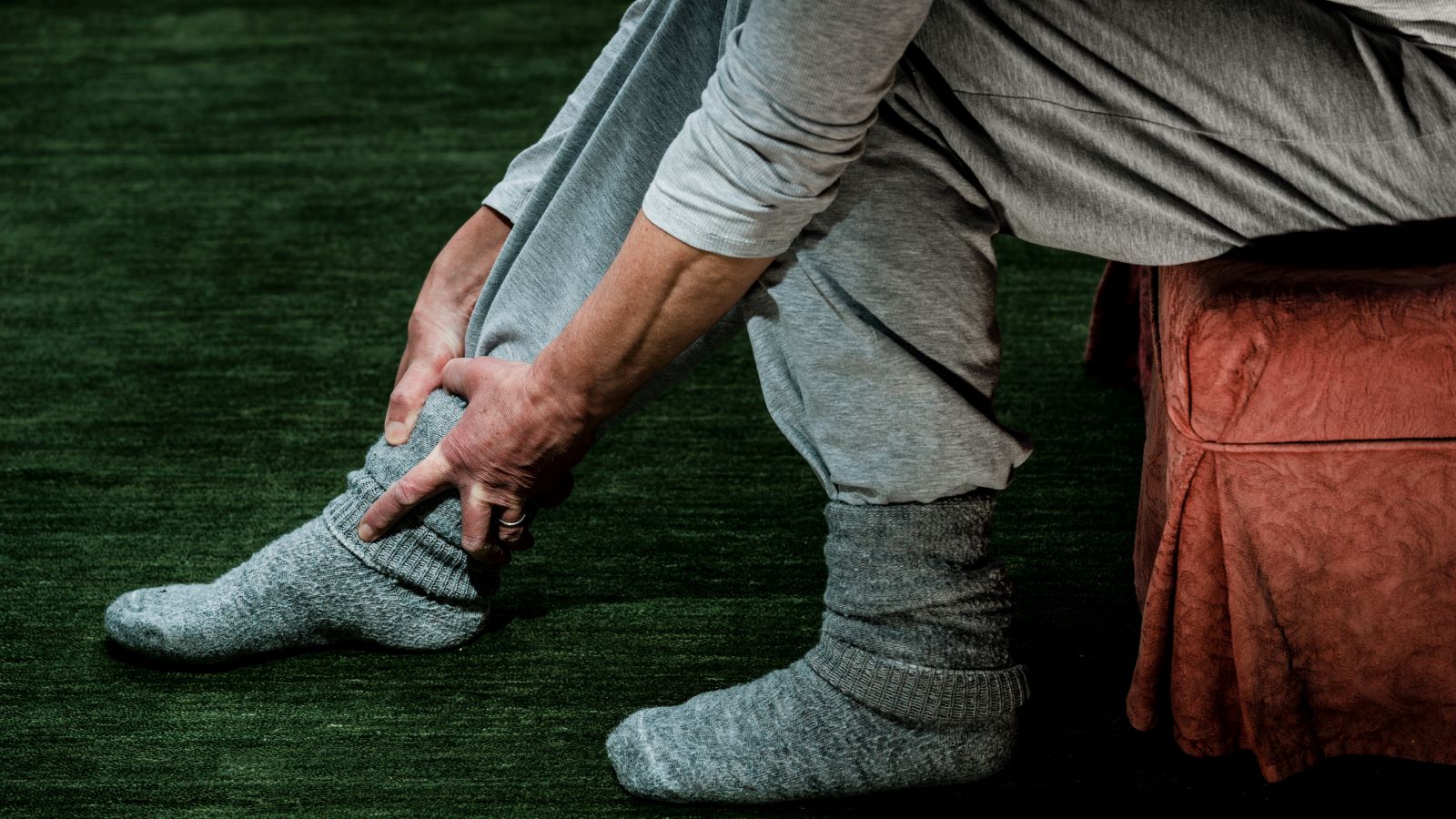

Your joint pain might not seem like a big deal during the day. A little stiffness here, a few aches there.
But once you climb into bed? Suddenly, your joints have a lot more to say.
“People are often surprised that their joint pain spikes in the evening,” says Nimit Patel, MD, rheumatologist with Hartford HealthCare. “But there are several reasons your symptoms speak up more when the rest of your body is winding down.”
Here’s why nighttime can make your joint pain feel so much worse.
1. Inflammation naturally rises at night
Your body follows a natural rhythm, and so does inflammation.
As your stress hormones dip later in the day, inflammation can ramp up, which means more swelling and more pain.
“This circadian pattern is especially common in conditions like arthritis,” Dr. Patel says. “Even if you feel okay during the day, nighttime can unmask that underlying inflammation.”
> Related: 5 Anti-Inflammatory Foods That Can Ease Your Joint Pain
2. You finally stop moving
All that daytime activity actually works in your favor.
Walking, stretching and using your joints keeps them lubricated. But once you settle on the couch? Everything stiffens.
“When joints stay still, the fluid that normally helps them glide doesn’t circulate as well,” Dr. Patel explains. “That stiffness can make pain feel sharper at night.”
> Related: Do Rainy Days Really Cause Joint Pain?
3. Your sleep position isn’t helping
Your mattress and pillow might not be the only things affecting your rest. Your joint angles matter, too.
If you sleep with your shoulder tucked under you, your hips twisted or your knees stacked without support, those positions can put extra strain on already-sensitive joints.
“If your hips, knees or shoulders are even slightly out of alignment, they can become irritated over several hours,” Dr. Patel says. “Sometimes a simple pillow adjustment makes a bigger difference than people expect.”
> Related: Can’t Sleep Because of Knee Pain? Try These 7 Expert Tips
4. You notice pain more when everything gets quiet
During the day, your brain is busy. Work, errands, conversations, all of it competes for attention.
But at night, there’s nothing to distract you. Your phone is down. And suddenly, that dull ache in your knee or shoulder feels much louder.
“This doesn’t mean the pain suddenly appears,” Dr. Patel says. “You’re just more aware of it when your mind isn’t pulled in ten different directions.”
Want a Weekly Dose of Health News?
5. Daytime habits catch up with you
Your joints remember how you treated them all day.
Skipping that afternoon water bottle, pushing through a tough workout, standing for hours or spending the day hunched over a laptop can all show up later. Even small habits can add up, especially if your joints are already irritated.
“Joints respond to stress throughout the day,” Dr. Patel says. “By nighttime, your body may be signaling that it needs rest, recovery or better support.”
> Related: 5 Reasons Your Shoulder Hurts at Night
6. Stress peaks in the evening
Evening can be when your brain finally catches up with worries you’ve been pushing aside all day.
And stress doesn’t just affect your mood. It can show up physically, too.
“When you’re tense, your muscles tighten around your joints,” Dr. Patel says. “That extra pressure can worsen discomfort.”
7. Underlying conditions are most active overnight
For people with osteoarthritis, rheumatoid arthritis, gout or other inflammatory conditions, nighttime is often when symptoms flare the most.
“These aren’t random patterns, they’re part of how the body processes inflammation,” Dr. Patel says. “Understanding the timing can help guide treatment.”
> Related: Best to Worst: We Ranked Sleep Positions for Your Back and Neck
When to see a doctor
If nighttime joint pain is waking you up, limiting your mobility, or sticking around for more than a few weeks, it’s worth getting checked out.
And if the pain is paired with swelling, warmth, fever or sudden redness, don’t wait.
“Joint pain isn’t something you have to power through,” Dr. Patel says. “We have effective ways to reduce inflammation, improve mobility and help you sleep through the night again.”