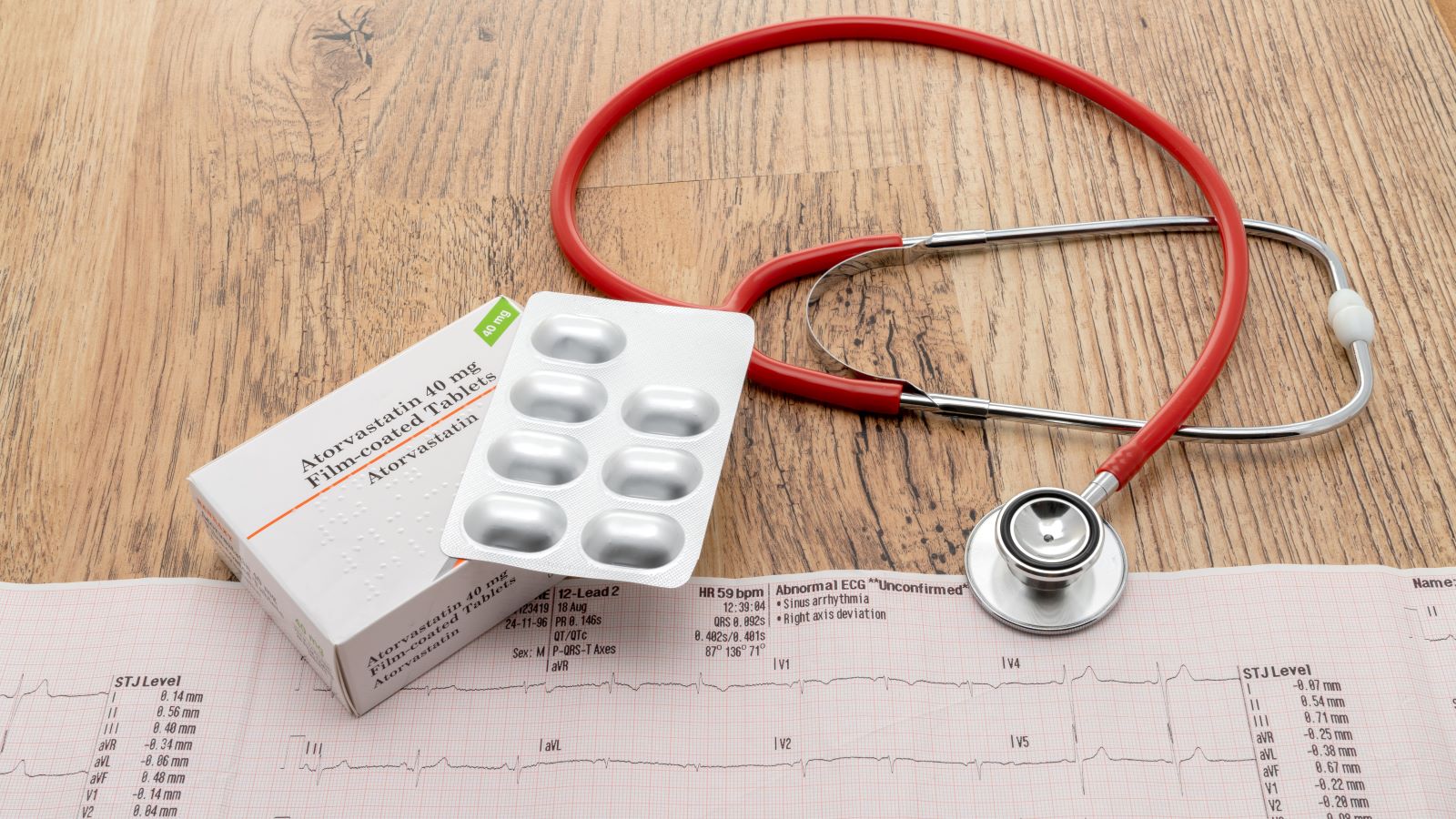

If you’ve just been prescribed a statin, you’re in good company. They’re one of the most widely used and most effective medications for protecting your heart.
But as with any medication, side effects can happen. So once you start taking one, it’s natural to wonder: What should I expect? What’s normal? And when should I call my doctor?
“Statins are incredibly effective at lowering cardiovascular risk, not just for people with high cholesterol but also for those with conditions like type 2 diabetes that raise risk even further,” says Danielle Grillo, APRN, with Hartford HealthCare Medical Group. “Most people tolerate statins very well, but like any medication, they can cause side effects in some cases.”
Here’s what to know about the most common ones, and how to manage them.
1. Muscle aches
When people think about statins, muscle aches are usually the first concern.
“Muscle discomfort is one of the most commonly talked about side effects with statins,” says Grillo. “Fortunately, it’s usually mild and manageable.”
And while these muscle aches are possible, they’re certainly not guaranteed.
“Notably, large scale studies haven’t shown much of a discrepancy between control groups and statin users. To put it plainly, those studies suggest that the statins may not be causing the muscle aches at all. Those aches might be just as common amongst the general public.”
The key is simple: speak up. If you notice ongoing soreness, stiffness or weakness, let your provider know. They can help find a dose or medication your body will tolerate best.
> Related: Have High Cholesterol? A Simple Test Can Show if You Actually Need a Statin
2. Digestive changes
When you’re first getting used to the statin, it’s common to have some mild nausea, bloating or diarrhea.
“These symptoms are usually temporary,” Grillo notes. “Most people see digestive side effects improve within a few weeks, or just a few days.”
Taking your statin with food, avoiding large meals late at night or switching the timing of your dose can make a big difference. If symptoms linger, your provider can help. Often, a small tweak is all it takes.
Want a Weekly Dose of Health News?
3. Headaches
They aren’t as common as muscle aches or nausea, but headaches can show up as your body adjusts to a change.
“Headaches are generally short-lived and tend to go away as your body adapts,” says Grillo. “If they persist, we can always adjust the dose or try a different medication.”
Staying hydrated and maintaining a consistent routine often helps ease the transition.
> Related: Does a Low Cholesterol Diet Actually Lower Your Cholesterol?
Are statins still worth taking?
The short answer, for most people, is a resounding yes.
“They continue to be one of the safest and most effective medications for preventing cardiovascular events,” says Grillo. “If you experience side effects while taking statins, we can almost always find a workaround rather than stopping the medication completely.”
And more good news. Statins aren’t new or experimental drugs.
“Statins are backed by decades of research, with more than 200 million people taking them globally. If your doctor prescribed it, there’s probably a good reason,” Grillo notes.