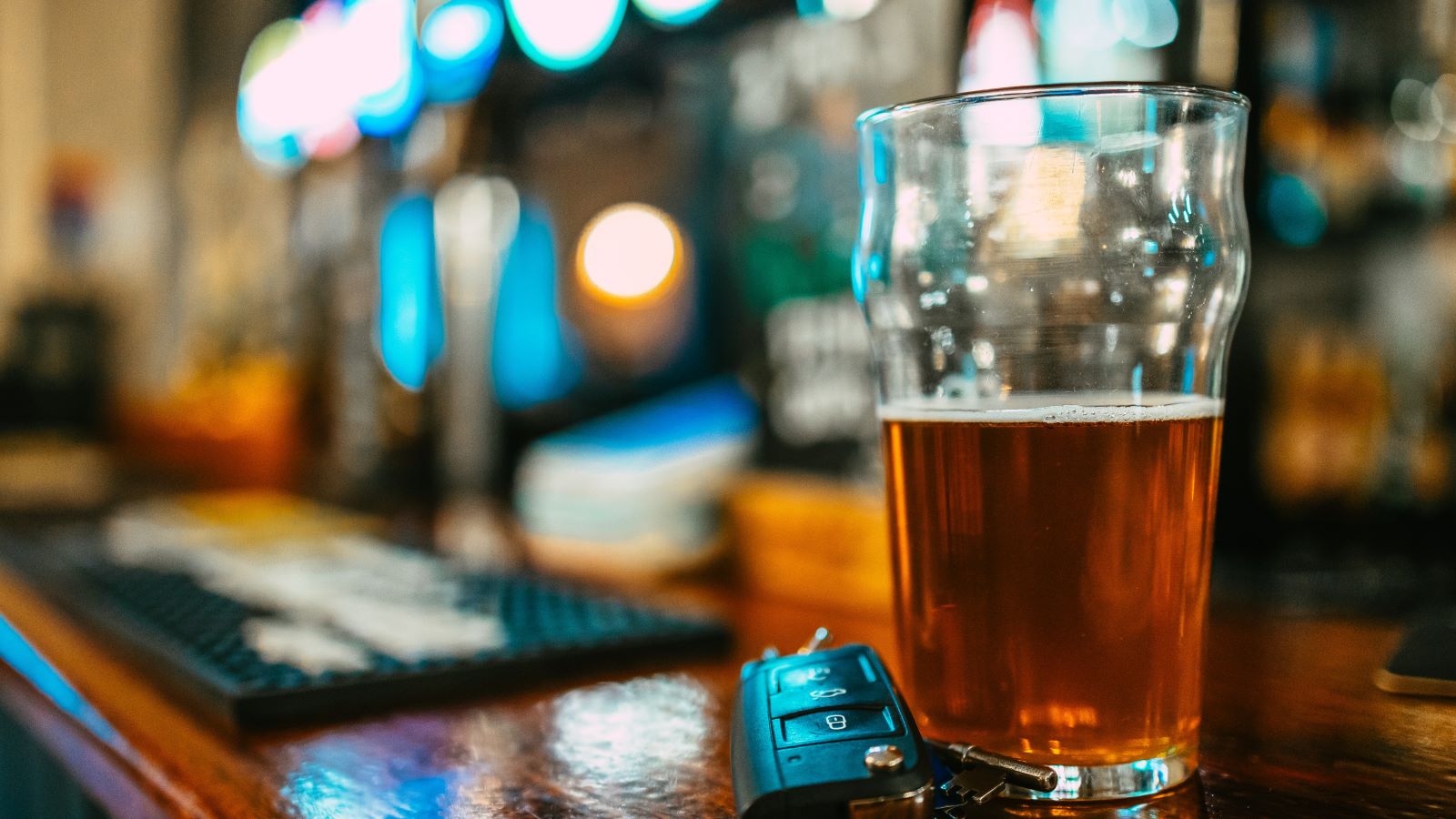

After a couple of drinks, it’s easy to start negotiating with yourself. You feel okay. The car is right there. Home isn’t far.
But that doesn’t mean you’re safe to drive.
“Alcohol impairs judgment and reaction time well before many people recognize that they are impaired,” says Syed Hussain, MD, medical director for Hartford HealthCare’s urgent care. “Even when someone feels normal, alcohol may already be affecting the brain’s ability to process risk, make decisions and respond appropriately behind the wheel.”
Here’s what alcohol does to your brain, and why drinking and driving is so dangerous.
Find an Urgent Care Center near me
Your brain starts making riskier decisions
Alcohol doesn’t just make you slur your words or stumble. It can also affect the part of your brain responsible for judgment, awareness and decision-making.
That means you might feel calm, capable or “not that drunk,” even while your ability to assess risk is already changing.
“Alcohol doesn’t only affect balance or speech,” Dr. Hussain says. “It affects higher-level brain functions involved in judgment, awareness and decision-making.”
That false confidence is part of what makes drinking and driving so dangerous.
“One of the concerns with alcohol use is that people often underestimate their level of impairment,” Dr. Hussain says. “The confidence someone feels may not reflect their actual ability to drive safely.”
> Related: Why Going to the Doctor Can Save You Money in the Long Run
Your reaction time slows down
You may still feel awake. You may still feel like you’re paying attention.
But alcohol can slow how quickly your brain processes what’s happening around you, and how quickly your body responds.
“Reaction time is critical while driving,” Dr. Hussain says. “Even small delays in braking, steering or responding to hazards can significantly increase the risk of a crash.”
That delay can matter when a car stops suddenly, a pedestrian steps into the road or a light changes faster than you expected.
> Related: How Alcohol Affects Your Heart: 6 Risks You Should Know
Your coordination has to work harder than you think
Driving may feel automatic, but your brain is doing a lot at once.
It has to track traffic, judge distance, stay in your lane, read signs, adjust speed and react to everything around you. Alcohol can interfere with several of those skills at the same time.
“Driving safely requires constant coordination between visual awareness, focus, reaction time and decision-making,” Dr. Hussain says. “Alcohol can interfere with all of these functions.”
Even mild impairment can affect your:
- Vision
- Concentration
- Depth perception
- Lane control
- Motor response
And because those changes may happen gradually, you may not notice them until it’s too late.
Want a Weekly Dose of Health News?
Coffee, food and cold air won’t make you sober
A lot of people think they can “sober up” with coffee, food or fresh air.
But those things don’t lower your blood alcohol level or reverse the brain changes that make driving dangerous.
“Food may slow alcohol absorption, but it doesn’t eliminate impairment,” Dr. Hussain says. “Coffee may increase alertness temporarily, but it doesn’t restore safe driving ability.”
Only time allows the body to process alcohol safely.
> Related: 6 Ways to Cope With Hangxiety After a Night of Drinking
Even a short drive can be dangerous
A short drive can feel like a safer choice. You know the roads. Home is close. You’ll only be behind the wheel for a few minutes.
But that’s still enough time for something unpredictable to happen.
“There is no safe distance when impairment is involved,” Dr. Hussain says. “Serious crashes can happen within minutes of getting behind the wheel.”
> Related: 6 Signs You Might Be Drinking Too Much
The safest decision happens before the first drink
Once alcohol has been consumed, judgment may already be affected. That’s why planning ahead matters.
“The safest approach is to make transportation plans before drinking starts,” Dr. Hussain says.
That may mean:
- Using a rideshare service
- Calling a taxi
- Taking public transportation
- Arranging a designated driver
- Staying overnight
Because one of alcohol’s most dangerous effects is convincing someone they’re safe to drive when they’re not.