

The wellness industry is full of influencers and experts who can make it seem like better health comes with a bigger price tag.
But some of the most useful products recommended by health professionals actually cost less than $25. And many of them can be found at your local drugstore or pharmacy.
We asked Rebecca Kaplan, APRN, a primary care provider with Hartford HealthCare Medical Group, to share the wellness products under $25 that actually deliver.
“Most of my patients are surprised to hear that some of the most useful things they can do for their health cost almost nothing. It’s not about the price tag, it’s about the habit,” says Kaplan.

Virtual care - when and where you need it
Skip the waiting room and connect with a provider from the comfort of home. Whether it’s a minor illness, a routine check-up, or something in between, our medical experts are just a tap away.
1. Resistance bands
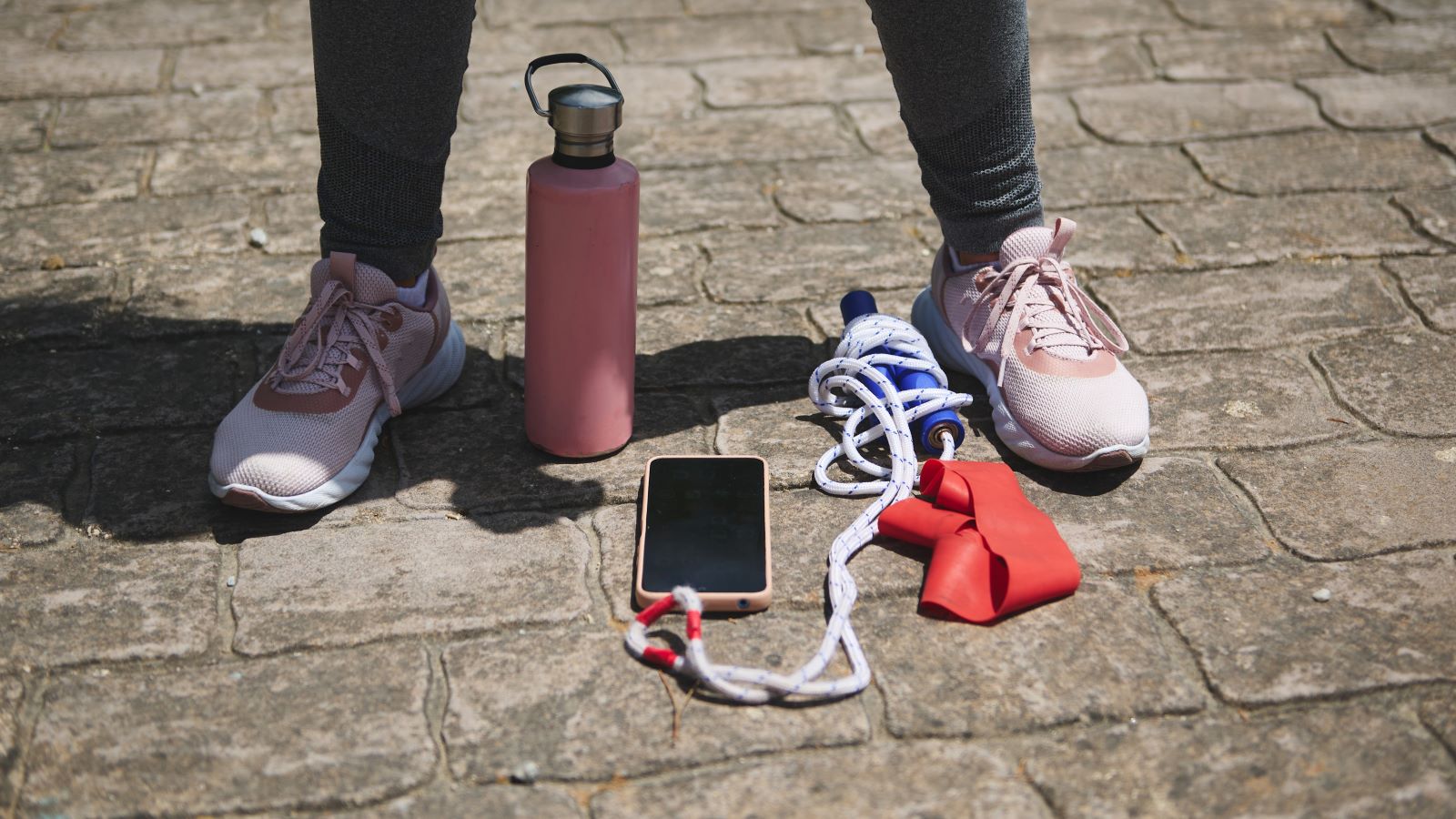
They’re cheap, versatile and work for every fitness level.
“Resistance bands are something I recommend across the board because they meet people where they are,” says Kaplan. “Whether you’re just starting out or working around an injury, they’re effective and accessible.”
A single set covers a full-body workout. And unlike weights, they’re easy to store, travel-friendly and gentle on joints.
2. Jump rope
Ten minutes of jumping delivers a serious cardiovascular workout. No gym required.
“Cardio doesn’t have to be complicated or expensive,” notes Kaplan. “Something as simple as a jump rope gets your heart rate up and keeps it there, which is exactly what we want for long-term heart health.”
It’s compact, simple and effective enough to serve as a daily workout.
> Related: Diet vs. Exercise: What Matters More for Your Health?
3. Foam roller
A foam roller sounds basic, right? But it can make a real difference in how your body feels day to day.
“Muscle recovery is just as important as the workout itself,” Kaplan explains. “A foam roller is one of the easiest ways to take care of your body between sessions and it costs almost nothing.”
Roll out tight muscles before or after a workout to improve circulation, reduce soreness and maintain flexibility.
Want a Weekly Dose of Health News?
4. Heating pad
A heating pad is one of the most underrated tools for muscle tension and minor aches and pains.
“Heat therapy is a go-to for muscle soreness and tension,” says Kaplan. “A basic heating pad used correctly can make a real difference without any medication.”
Heat increases blood flow to sore or stiff areas, helping muscles relax.
Great for back pain, cramps and tension headaches.
> Related: Pain Relief Without Medicine: 6 Ways to Feel Better
5. Sleep mask
You already know sleep matters. But your environment might be working against you.
“Sleep environment matters more than most people realize,” Kaplan explains. “Blocking out light is one of the simplest and most effective things you can do to improve sleep quality.”
A simple sleep mask signals to your brain that it’s time to sleep. And it’s one of the best wellness products that costs less than $10.
> Related: What Your Sleeping Position Says About Your Health
6. Fiber supplement or probiotic
Gut health affects more than digestion. It touches immune function, mood and energy too.
“A lot of people aren’t getting enough fiber through diet alone,” says Kaplan. “A basic fiber supplement or probiotic can be a simple addition to your routine. Just run it by your health provider before you start.”
> Related: The Surprising Amount of Fiber You Actually Need
7. Electrolyte packets
Many people think hydration is just about drinking enough water. But what’s in that water matters too.
“Electrolytes help your body actually absorb and use the fluid you’re taking in,” notes Kaplan. “They’re especially useful after exercise, during illness or any time you’re feeling run down or sluggish.”
Electrolyte packets are inexpensive, easy to keep on hand and a simple upgrade to your daily hydration routine. Look for options with low sugar and no artificial dyes.
8. Pill organizer
Missing your daily medicine or supplement dose is easier than you think. A pill organizer fixes that.
“A pill organizer sounds simple but it’s one of the most effective tools for building a consistent routine,” Kaplan adds. “When it’s easy to see what you’ve taken and what you haven’t, you’re much less likely to miss a dose.”
Weekly pill organizers are widely available for under $10 and can make a real difference for anyone managing multiple supplements or medications.
“The goal isn’t to overhaul your entire routine. It’s to find a few simple tools or wellness products that make healthy habits easier to stick with,” says Kaplan.