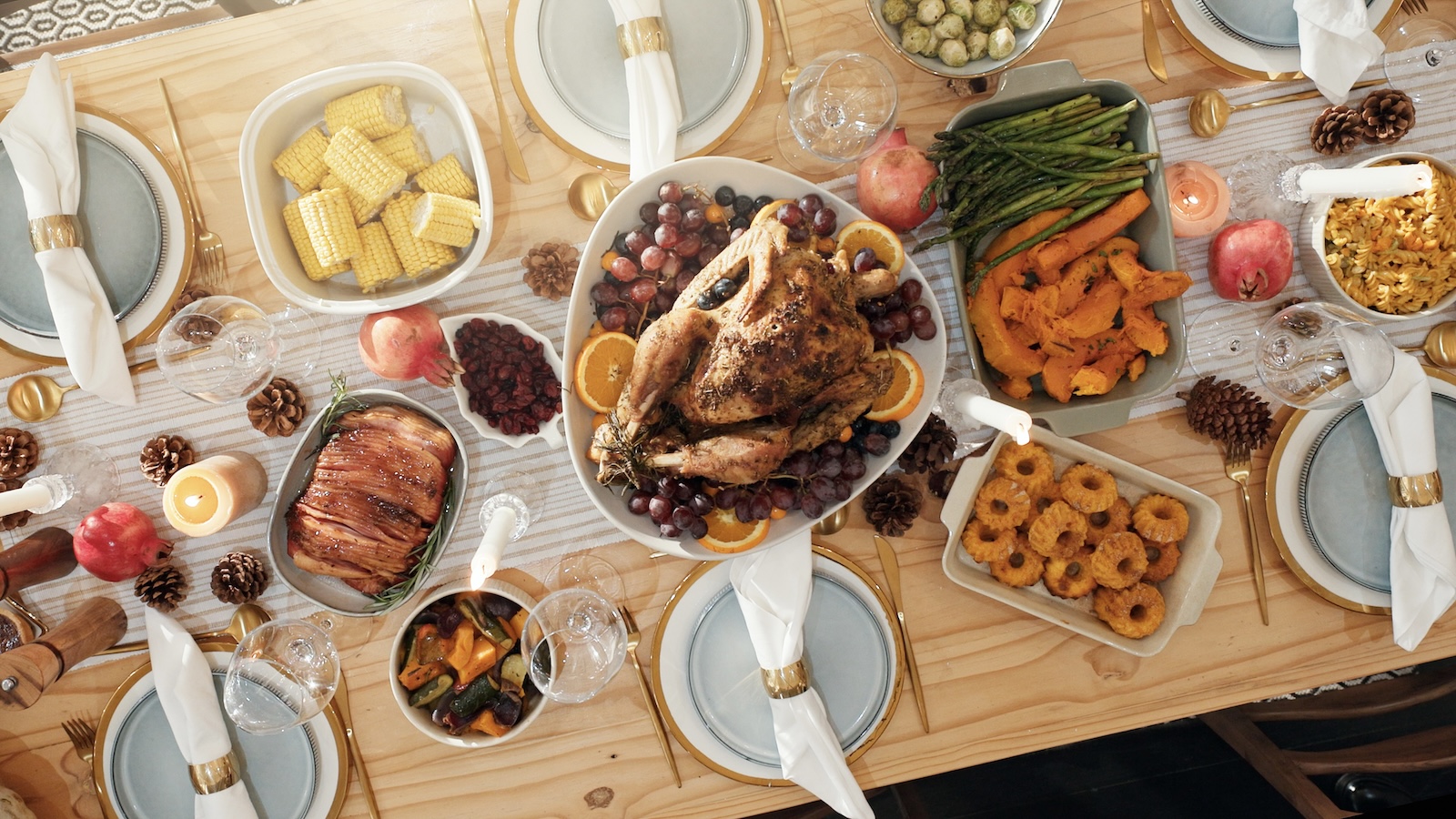

Thanksgiving dinner is one of those meals you look forward to all year. Whether you’re there for the turkey, the stuffing or grandma’s home-made apple pie, everyone has a favorite.
And while some dishes are more nutritious than others, a healthy Thanksgiving doesn’t mean giving up the foods you love.
“Some traditional Thanksgiving foods are packed with nutrients, while others have more added sugar, sodium or saturated fat than people realize,” says Cody Krawec, RD, a registered dietitian with Hartford HealthCare. “That doesn’t mean you need to avoid your favorites. It’s about finding a balance that works for you.”
Here’s how to make the most of your Thanksgiving favorites.
Roasted vegetables
If there’s one Thanksgiving side dish worth going back for, it’s roasted vegetables.
Brussels sprouts, carrots and green beans are packed with fiber, vitamins and antioxidants, especially when roasted with olive oil and herbs instead of heavy sauces.
“The fiber in vegetables helps slow digestion and keeps you feeling satisfied,” says Krawec. “It also helps regulate blood sugar, lower bad cholesterol and support healthy gut bacteria.”
Try this: Toss your vegetables with olive oil, garlic and your favorite herbs before roasting. A squeeze of lemon juice afterward adds flavor without needing much salt.
> Related: The 8 Best Vegetables for Your Health
Turkey
Turkey is one of the foods that can help you build a healthy Thanksgiving plate, thanks to its protein, vitamin B12, selenium and zinc.
“While white meat is generally leaner, dark meat still provides valuable nutrients, including iron and zinc,” says Krawec. “Both are great sources of protein, so you don’t have to skip the dark meat if that’s what you prefer.”
Try this: Season your turkey with fresh herbs, garlic and citrus. If you’re buying a pre-brined bird, check the sodium content before adding more salt.
> Related: Does Turkey Actually Make Me Sleepy?
Sweet potatoes
Sweet potatoes are rich in fiber, potassium and beta-carotene, which your body converts into vitamin A.
But there’s a big nutritional difference between a roasted sweet potato and one covered in marshmallows.
“Sweet potatoes are packed with nutrients on their own,” says Krawec. “A serving can provide around four grams of fiber, which helps make your Thanksgiving meal more nutritious.
Roasting them with cinnamon is a great way to bring out their natural sweetness without adding a lot of sugar.”
Try this: Roast sweet potato wedges with cinnamon and a little olive oil. Keep the skins on for extra fiber.
> Related: 3 Reasons to Eat More Sweet Potatoes
Mashed potatoes
Mashed potatoes can get a bad reputation, but potatoes themselves aren’t unhealthy.
They provide potassium, vitamin C and carbohydrates your body uses for energy. It’s usually the extra butter, cream and salt that make the dish less nutritious.
“Potatoes aren’t something you need to avoid, even if you’re watching your blood sugar,” says Krawec. “Pairing them with protein and healthy fats can help slow carbohydrate absorption and reduce blood sugar spikes that might leave you feeling sluggish after eating.”
Try this: Replace some of the heavy cream with plain Greek yogurt or low-fat milk for creamy mashed potatoes with less saturated fat.\
> Related: 6 Fall Foods That Are Healthier Than You Think
Green bean casserole
Green beans are a healthy choice, but like many Thanksgiving foods, how they’re prepared makes a difference.
Cream of mushroom soup and crispy fried onions can add a surprising amount of sodium and saturated fat.
“The biggest thing to watch with casseroles is often the sodium,” says Krawec. “And you don’t have to use fresh green beans to make a nutritious dish. Canned vegetables are a great option, especially when you choose reduced-sodium or no-salt-added varieties.”
Rinsing and draining canned green beans can also help remove some of the sodium.
Try this: Use a lower-sodium mushroom soup and top the casserole with toasted almonds for crunch instead of fried onions.
> Related: 5 Ways to Make Your Favorite Fall Comfort Foods Healthier
Stuffing
For some families, stuffing is the best part of Thanksgiving dinner. But traditional recipes made with white bread, butter and broth can be high in sodium and low in fiber.
“Try swapping some of the white bread for whole-grain bread,” says Krawec. “You’ll add fiber without dramatically changing the dish, especially if you’re already mixing in vegetables and herbs.”
Try this: Add chopped celery, onions and mushrooms to your stuffing for more vegetables and flavor. Use lower-sodium broth to keep the salt in check.
Want a Weekly Dose of Health News?
Pumpkin pie
Dessert isn’t usually where you’d expect to find nutritional benefits, but pumpkin pie has a few things going for it.
Pumpkin contains beta-carotene and fiber, although the added sugar and crust make this more of a treat than a health food.
“Pumpkin also provides potassium, vitamin C and antioxidants that support your overall health,” says Krawec. “But the recipe and portion size still make a difference, especially when it comes to added sugar.”
Try this: Use plain canned pumpkin rather than pumpkin pie filling so you can control how much sugar goes into the recipe. Add cinnamon, nutmeg and ginger for flavor.
> Related: 3 Healthy Holiday Desserts That Taste Good Too
Cranberry sauce
Cranberries are naturally rich in antioxidants, but the sauce served at Thanksgiving often comes with plenty of added sugar.
“Cranberries are naturally tart, which is why most recipes call for so much sugar,” says Krawec. “Adding naturally sweet fruit can help balance the flavor. And if you still want more sweetness, alternatives like stevia or monk fruit sweetener can help reduce the amount of added sugar.”
Try this: Simmer fresh cranberries with orange juice, orange zest and chopped apples to add natural sweetness while cutting back on added sugar.
> Related: 3 Healthy Appetizers Worth Trying This Holiday Season
Gravy
A little gravy can make almost anything on your Thanksgiving plate taste better, but it doesn’t offer much nutritional value.
Depending on how it’s prepared, gravy can be high in sodium and saturated fat.
“A few spoonfuls can add plenty of flavor without adding nearly as much sodium as covering your entire plate,” says Krawec.
Try this: Use lower-sodium broth and skim excess fat from your pan drippings before making gravy.
> Related: How to Avoid Heartburn After Thanksgiving Dinner
Pecan pie
Pecans contain heart-healthy fats, fiber and minerals. But when they’re baked into a pie with corn syrup, sugar and butter, those nutritional benefits come with plenty of added sugar and calories.
“Pecans are nutritious on their own, but pecan pie is still one of the richest desserts on the Thanksgiving table,” says Krawec. “Enjoy a slice if it’s your favorite but remember that a little can go a long way.”
Try this: Use a little less sugar or syrup in your filling and let the naturally rich flavor of the pecans stand out.
> Related: 3 Healthy Holiday Sides You’ll Actually Want on Your Plate
Your Thanksgiving plate doesn’t have to be perfect
You don’t have to skip your favorite Thanksgiving foods to enjoy a healthy holiday.
“Thanksgiving is one meal, not a test of how healthy you eat,” says Krawec. “Fill your plate with foods you enjoy, include some vegetables and protein, and pay attention to when you’re comfortably full. You can enjoy the holiday without making every bite a nutrition decision.”