
Electrolyte drinks used to be something you reached for after a tough workout. Now, they’re marketed as something you should be drinking every day. But do most of us actually need them?
Sodium, potassium and magnesium are three electrolytes your body needs to function properly, and how much you’re already getting through your diet matters.
“Most people know electrolytes are in foods,” says Christopher Barrett, MS, RD, CSSD, CSCS, a board-certified sports dietitian with Hartford HealthCare’s Bone & Joint Institute. “But many are misdirected into the need to supplement because they are not sure of their current levels or whether they are getting the right amounts from the right sources.”
Barrett explains how much of each electrolyte you need, where to get them and when it actually makes sense to reach for an electrolyte drink.
Your body can’t function without electrolytes
Your body runs on electrolytes. These electrically charged minerals regulate fluid balance, power your muscles and keep your heart, brain and nerves operating properly. When levels drop, you feel it.
“Many people do not think about their electrolytes, unless they are an athlete or have a chronic health issue, such as hypertension and chronic kidney disease,” Barrett notes.
“But by the time you’re cramping or have hyponatremia, which is low blood sodium, you’re already behind.”
Muscle cramps, brain fog, headaches and dizziness are all common signs that your electrolytes may be out of balance.
> Related: How to Pick the Right Electrolyte Drink
Most people consume far too much sodium
Most Americans eat far more sodium than they realize, and the gap is bigger than you might think.
The recommended daily allowance is 2,300 milligrams for healthy people, and if you have chronic kidney disease or hypertension, your limit is even lower, around 1,500 milligrams.
But the average American takes in around 3,400 milligrams, nearly 50 percent more than recommended. And most of that comes from packaged and processed foods.
“Sodium is the most abundant electrolyte in the body,” Barrett explains. “We need sodium to absorb nutrients, such as carbohydrates, and regulate fluid. But too much raises blood pressure and puts strain on your heart and kidneys.”
Cooking at home more often is the most effective way to bring your intake down.
> Related: 10 Foods With More Sodium Than You Think
You might need more potassium
Adults need about 4,700 milligrams of potassium per day.
Most Americans get roughly half that. And less than 10 percent of all adults consume the standard recommended amounts of fruits and vegetables, which are among the best sources of potassium.
“Most people aren’t getting anywhere close to the potassium they need,” Barrett adds. “Potassium actually helps your body excrete excess sodium, which is one of the most effective ways to bring blood pressure down naturally.”
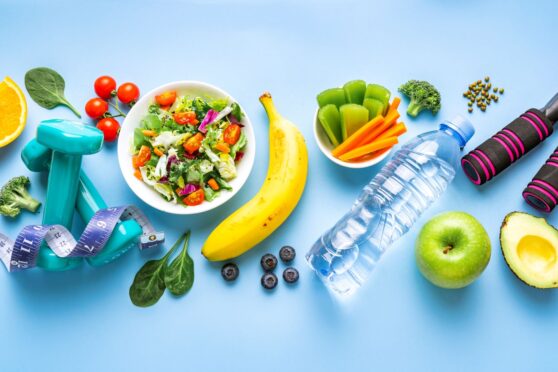
Before turning to an electrolyte drink, take a look at your diet. Bananas, avocados, leafy greens, beans and white potatoes are all good sources of potassium.
Want a Weekly Dose of Health News?
Magnesium deficiency is easy to miss
Magnesium helps your body produce energy and supports muscle, nerve and heart function. Adults generally need 420 milligrams per day, and most people don’t know they’re low on magnesium until symptoms show up.
“Magnesium deficiency is one of the most underdiagnosed nutritional issues I see,” Barrett continues. “If you decide to supplement, make sure you look at the type of magnesium as it truly matters.”
Nuts, seeds, dark chocolate, leafy greens and whole grains are all good whole food sources of magnesium.
And if you’re feeling tired constantly? It may be time to discuss your magnesium levels with your doctor.
> Related: The 9 Foods Nutritionists Always Have in Their Grocery Carts
When you actually need an electrolyte drink
Most people can get enough sodium, potassium and magnesium per day through a balanced diet. But certain situations can change that.
“If you eat well, you probably do not need to supplement,” Barrett shares. “But if you exercise hard for long periods of time, are exposed to a non temperature-controlled environment for long periods or you are dealing with an illness, your needs go up. And some medications actively deplete or spare electrolytes, so it is worth talking to your doctor.”
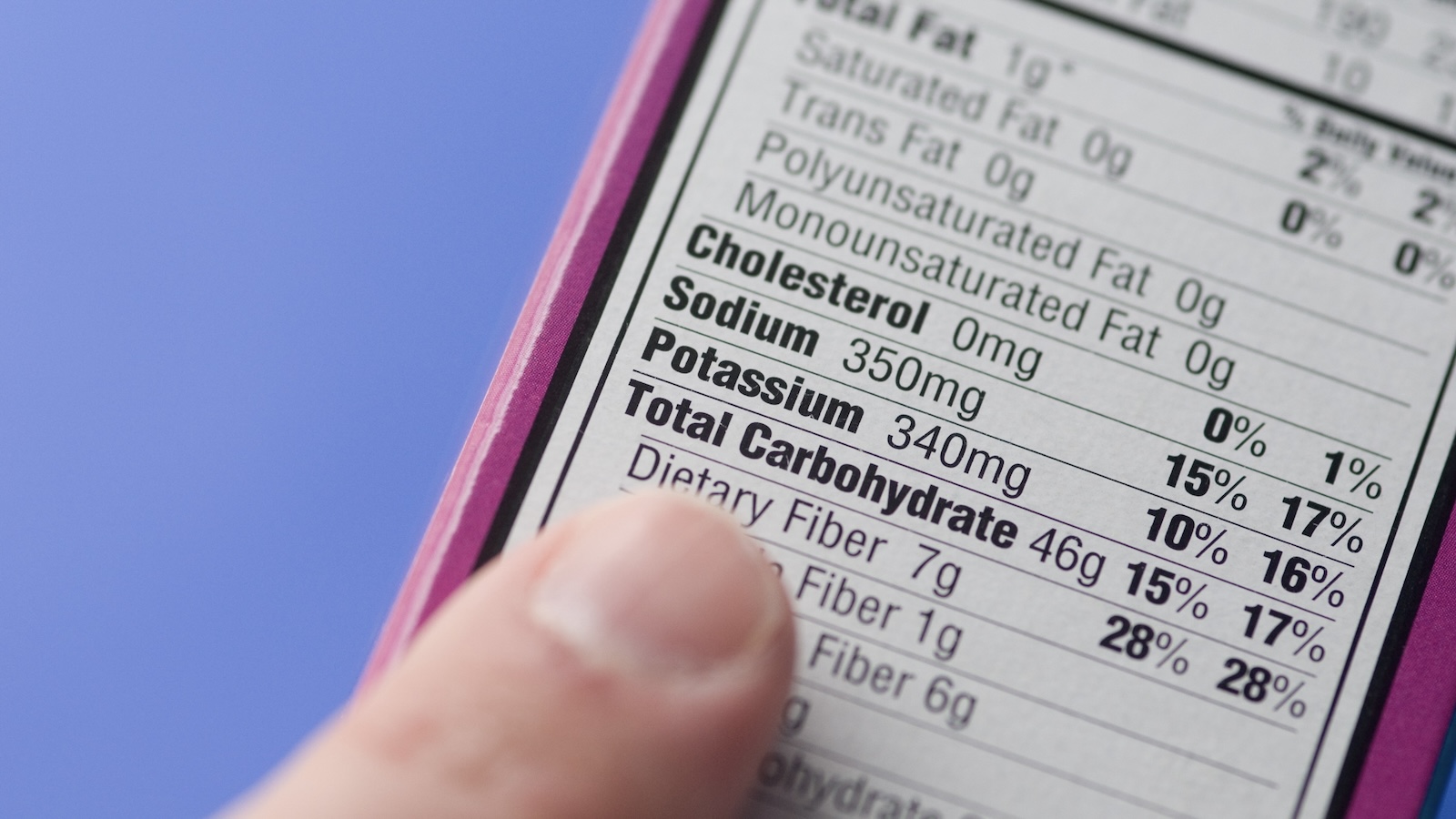
If you do opt for an electrolyte drink or powder, read the label and discuss this with your dietitian to find a third-party reviewed product by USP or NSF for Sport. Look for meaningful amounts of sodium, potassium and magnesium.
And skip anything loaded with added sugar unless you are training for a competition and your event or training session is longer than 90 minutes. Otherwise, show up to your exercise session well-fueled and well hydrated to give it your best.