
A good tailgate spread should make you want to grab a plate. And with burgers, wings, chips and dips on the table, it’s easy for the calories, sodium and saturated fat start to add up quick.
But making things a little healthier doesn’t mean changing everything people love about tailgating.
“A tailgate doesn’t have to look completely different to be more balanced,” says Samantha Oldman, RD, with Hartford HealthCare Medical Group. “You can keep the foods people actually want and add a few options that make the whole spread work a little better.”
Here are some healthy tailgate foods that fit right in on game day.
Keep the burgers, just build around them
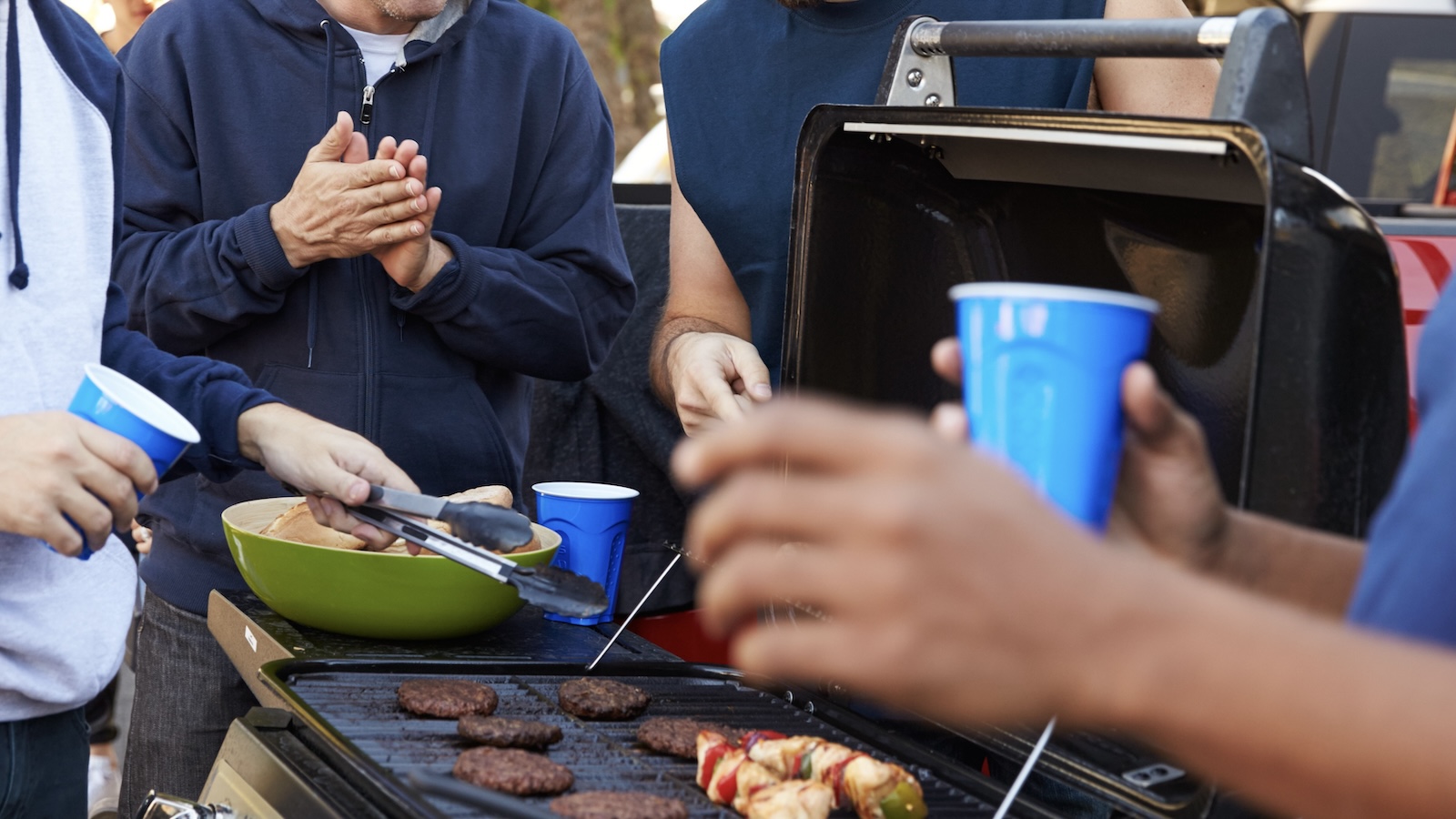
Burgers probably still deserve a place on the menu. But try giving people a few ways to build a plate around them.
Along with the typical bottle of ketchup and mustard, consider putting out:
- Lettuce, tomato and onion
- Grilled vegetables
- A bean or corn salad, like cowboy caviar
- Fresh fruit
- Whole-grain buns
“Sometimes the easiest change is adding more variety around the main dish,” Oldman says. “You can still have the burger and make room for vegetables, fruit or another side.”
Turkey burgers, chicken burgers or veggie burgers can add more choices without replacing the classic.
> Related: 7 Healthier Football Snacks You’ll Actually Want to Eat
Put more than burgers on the grill
If the grill’s already fired up, you might as well put it to work.
Chicken, fish, vegetables and even fruit can cook right alongside the burgers and dogs. Try grilling zucchini, peppers, onions or corn on the cob. For something sweet, throw on some sliced pineapple or peaches.
“Grilling vegetables gives them a lot of flavor without making them feel like an afterthought,” Oldman says. “It’s an easy way to add something fresh to a heavier spread.”
> Related: 9 Fresh and Healthy Grill Ideas for Your Summer Cookouts
Mix up the chips and dip
A tailgate without dip feels incomplete. And luckily, there’s no reason to get rid of it.
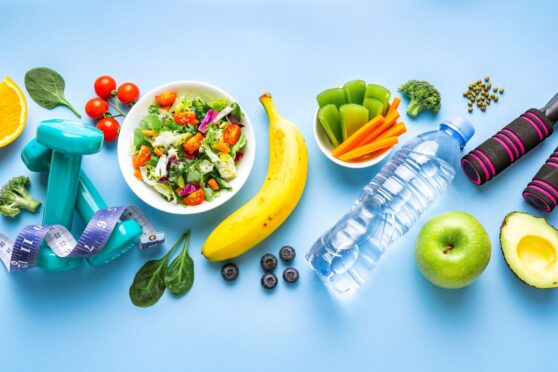
Instead, put some fresh veggies like carrots, cucumbers, peppers or snap peas alongside the chips for dipping. And if you’re open to changing up the dip, hummus, salsa or bean based dips offer some healthy variety.
“Dips can be a great way to get more vegetables or beans onto the table,” Oldman says. “You don’t have to choose one type of dip and get rid of the rest.”
Making your own dip? Try using blended cottage cheese, low-fat plain Greek yogurt or a mix of the two instead of sour cream or mayonnaise. You’ll get more protein without losing the creamy texture.
> Related: Ordering Takeout? These 6 Tricks Could Make It Healthier
Try baking or grilling the wings
Deep fried wings can be packed with extra calories and saturated fat, but changing up the cooking method can help keep them on the menu.
Baked or grilled wings can still give you the flavor you want, and adding vegetables or a lighter side can help balance out the plate.
“Wings are usually one part of a much bigger spread,” Oldman says. “What matters is what the rest of the meal looks like too.”
And if the fried wings are the ones you really want, enjoy them. One food doesn’t have to determine what the rest of your plate looks like.
Want a Weekly Dose of Health News?
Make water easy to grab
Food tends to get most of the attention at a tailgate, but sugary drinks and alcohol can add up over the course of the afternoon.,
That’s why it’s important to keep plenty of cold water within reach, especially on warmer game days.
You can also put out sparkling water or unsweetened drinks alongside whatever else you’re serving. If you’re looking for some variety, sparkling water or unsweetened drinks can offer more options.
“Tailgates can last for hours, so staying hydrated matters,” Oldman says. “Make water just as easy to grab as everything else.”
And if alcohol’s in the mix, try pacing yourself and alternating with water if you can.
> Related: This Is What $50 of Groceries Could Look Like If You Shop Smart
Build a plate you’ll actually enjoy
When it’s finally time to make a plate, start with the foods you came for and add a couple of things to round them out.
Oldman recommends using the plate method as a loose guide: aim for about half your plate to be non-starchy vegetables, one-quarter protein and one-quarter a starch or other carbohydrate-rich food.
“The goal isn’t to make every bite healthy,” Oldman says. “It’s to enjoy the food and give yourself some variety.”