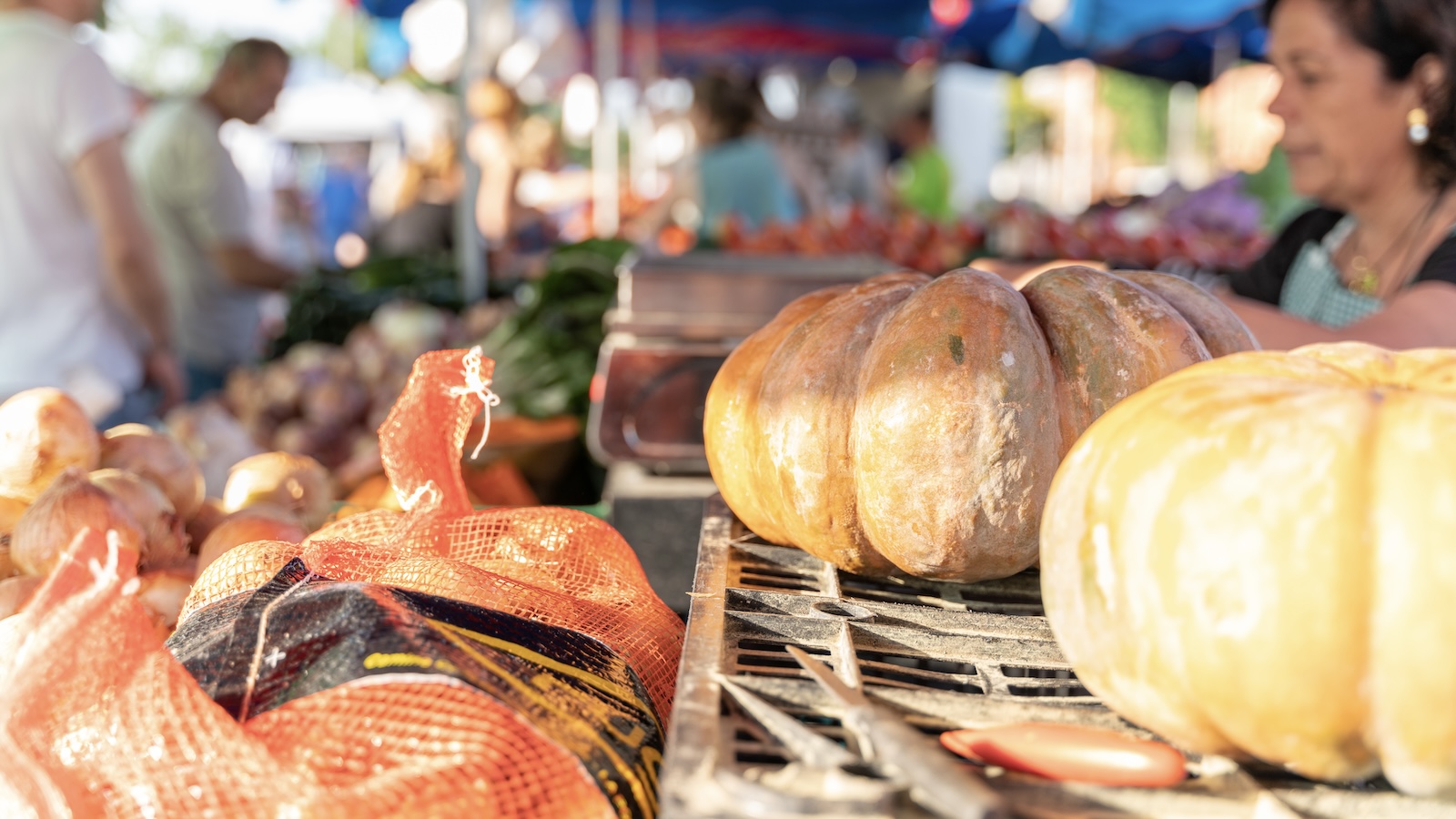

Farmers markets might feel like a summer thing, but some of the best shopping happens in the fall when favorites like apple, squash and sweet potatoes are at their peak.
“Farmers markets make healthy eating more fun because you’re getting fresh produce at its peak,” says Ulysses Wu, MD, with Hartford HealthCare. “It’s a great excuse to sneak some extra vegetables into your routine.”
But it’s easy to get carried away when everything looks so good. Before you head home with six squash and a bushel of apples, it helps to have a loose plan.
“If you shop with a few meals in mind, you’re much more likely to use what you bring home,” Dr. Wu adds.
Here’s what to look for at your next fall farmers market and how to make the most of what you buy.
1. Shop what’s in season
There’s a reason tomatoes taste so much better from a farmers market than a grocery store.
Produce that’s picked at peak ripeness tastes better, and is often more nutritious, than produce that’s been shipped across the country before it’s fully ripe.
“Seasonal produce is fresher because it doesn’t have to travel and sit in storage,” says Dr. Wu. “That means you’re getting fruits and vegetables with better texture, flavor and nutrients.”
And fall is when some of the healthiest produce is in season.
“Look for winter squash varieties such as butternut, acorn, spaghetti and delicata. Other vegetables to look for are cruciferous greens such as broccoli, Brussels, cabbage and kale and root vegetables such as carrots, beets and turnips. Fruits to look for include apples and pears,” Dr. Wu adds. “These are all naturally rich in fiber, vitamins and antioxidants, and they’re incredibly easy to toss in any dish you make.”
> Related: 6 Fruits and Vegetables Worth Adding to Your Plate This Fall
2. Don’t skip vegetables just because they aren’t familiar
Purple cauliflower? Watermelon radishes? Delicata squash?
Half the fun of a fall farmers market is discovering something new.
“Try to choose one new fruit or vegetable every time you go to a farmers market,” says Dr. Wu. “That’s a great way to add some variety to your diet, which will help you get more vitamins, minerals and plant compounds.”
Not sure how to cook it? Don’t be afraid to ask.
“Most farmers love talking about their products,” Dr. Wu adds. “Ask how they like to make it at home. You’ll leave with some easy cooking ideas that make trying something new much less intimidating. At the very least, always grab a new item and you can look it up at home.”
Want a Weekly Dose of Health News?
3. Don’t stop at fruits and vegetables
Produce might be the star of the show, but there’s more to a good farmers market than just fruits and vegetables.
Many feature eggs, yogurt, local cheeses, lean meats, honey, herbs, mushrooms, beans and whole-grain baked goods.
“Farmers markets have enough different foods to create a balanced meal, not just a salad,” says Dr. Wu. “Ideally, you can leverage the different vendors at a farmers market and skip a trip to the grocery store.”
And done right, a balanced meal can still include a favorite treat.
“A fresh loaf of artisan bread or homemade pie can be part of a healthy diet when you’re intentional about it,” Dr. Wu adds. “The key is to make produce and lean protein the centerpiece.”
> Related: The 8 Best Fruits for Your Health
4. Don’t get carried away
When you’re surrounded by fresh, colorful food, it’s easy to bring home more than you could possibly eat. But if you make the farmers market part of your weekly routine, you can always go back to grab more rather than buying too much at once.
“Produce spoils quickly, which can make healthy shopping feel frustrating and expensive. That’s why it’s so important to have a recipe in mind before you shop, so you know how much you need,” Dr. Wu says.
Even a rough plan makes a difference.
“Try to think about three or four meals you’ll make during the week,” Dr. Wu adds. “That helps you buy with purpose instead of buying everything that looks good. And you don’t always have to pick up something big – whatever you get from the farmers market doesn’t have to be the star of the show, sometimes you just need a fresh herb or a beautiful piece of produce to compliment the rest of your dish.”
> Related: The 8 Best Vegetables for Your Health
5. Make the farmers market part of your routine
You don’t have to buy organic or spend every Saturday browsing vendor booths to eat healthier.
Even one trip a month can help you add fresh produce, variety and excitement into your meals.
“The healthiest eating habits are the ones you actually enjoy,” says Dr. Wu. “If visiting a farmers market makes you excited to cook, that’s a habit worth keeping. Healthy eating doesn’t have to feel like a chore, it should be a great opportunity to cook fresh and even try new things.”