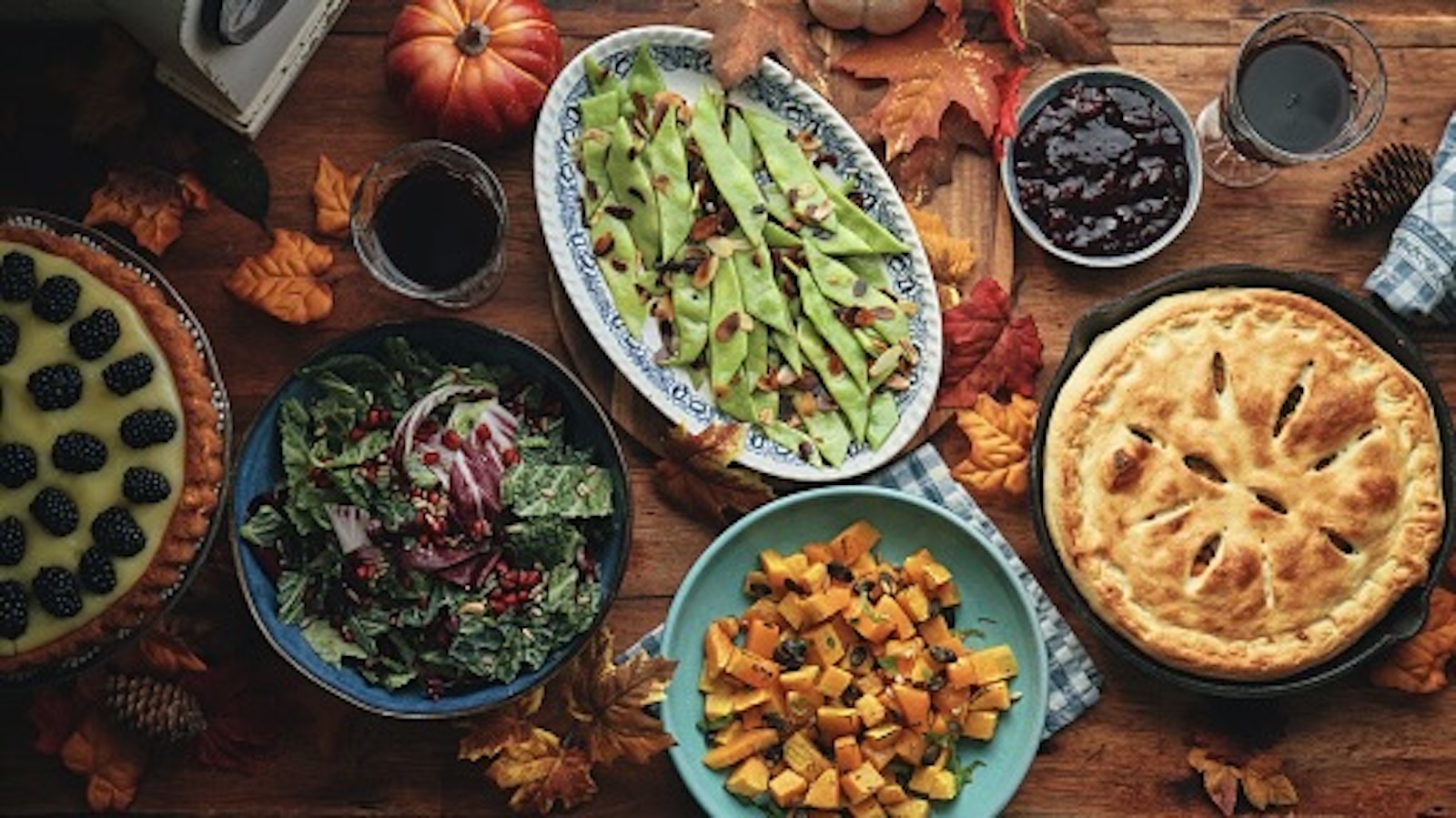

Fall is the official start of comfort food season. There’s just something about the cooler weather that makes you crave a big bowl of chili or your favorite casserole.
Of course, some of our favorite comfort foods tend to come with a little more butter, cheese and cream than we’d like to admit. But that doesn’t mean they can’t be part of a healthy diet.
“Fall meals can feel warm and comforting while still being balanced,” says Elizabeth Barclay, RD, with Hartford HealthCare. “The goal is to include a source of protein, vegetables, a higher-fiber carbohydrate and, when you can, an unsaturated fat.”
Here are a few easy ways to make your favorite fall comfort foods just a little bit healthier.
1. Add more beans or vegetables to chili or soup
Few dinners feel more like fall than a big pot of chili or soup. And as far as comfort foods go, they’re some of the easiest to pack with nutrients.
For your next pot of chili, try adding an extra can of beans, bell pepper, diced zucchini or some leafy greens.
“Chili is one of those meals that’s easy to build on,” Barclay says. “You can add beans, vegetables and other higher-fiber carbohydrates without losing the warm, comforting meal you were craving.”
Soup is just as versatile. Add vegetables like cabbage, carrots, celery, spinach or kale, then include chicken, beans or another protein. If you’re using canned vegetables, Barclay recommends choosing low-sodium options and rinsing them when possible.
And don’t forget the toppings. A spoonful of plain Greek yogurt, some sliced avocado or a piece of whole-grain bread on the side can make your bowl even more satisfying.
> Related: 9 Simple Ways to Stay Healthy This Fall
2. Try a sheet pan dinner with protein and vegetables
When you’re tired after a long day, the last thing you want is a complicated dinner and a sink full of dishes.
That’s where sheet-pan meals come in.
Roast your favorite vegetables with a little salt, pepper and olive oil, then add a protein and round out the meal with a carbohydrate that provides fiber.
Some combos worth trying:
- Chicken, asparagus and potatoes
- Salmon, broccoli and sweet potatoes
- Tofu, cauliflower and brown rice
- Chicken, Brussels sprouts and quinoa
“Roasting brings out a lot of flavor, so vegetables don’t have to feel like an afterthought,” Barclay says. “Pair them with protein, a higher-fiber carbohydrate and an unsaturated fat, and you’ve got the pieces of a balanced meal.”
Just remember that not everything cooks at the same speed. You might need to add certain ingredients later or cook grains like rice and quinoa separately.
> Related: 6 Fruits and Vegetables Worth Adding to Your Plate This Fall
3. Incorporate protein and fiber into your pasta dish
Pasta is an easy go-to when you’re craving something warm and filling. And with a few extra ingredients, you can make your favorite pasta dishes more nutritious without changing what you love about them.
Start with your favorite pasta, then add:
- Spinach, broccoli, mushrooms or tomatoes
- Chicken or seafood
- White beans or lentils
“You don’t need to take pasta off the menu to make dinner more nutritious,” Barclay says. “Adding vegetables and a source of protein can change the balance of the meal without changing the part you enjoy.”
Want a Weekly Dose of Health News?
4. Turn a baked potato into the whole meal
A baked potato doesn’t have to stay on the side of the plate. Keep the skin on for more fiber, then pile on toppings that turn it into dinner.
Try loading it with:
- Black beans and salsa
- Broccoli and cheese
- Leftover chili
- Shredded chicken and vegetables
“Potatoes can absolutely be part of a balanced meal,” Barclay says. “Keeping the skin on gives you more fiber, and adding protein and vegetables helps turn it into something more complete.”
Sweet potatoes work too if you prefer them and are a good source of vitamin A.
You can even set out a few different toppings and let everyone build their own dinner. It’s an easy solution for nights when nobody can agree on what to eat.
> Related: 7 Easy Swaps to Make Any Soup a Little Healthier
5. Tweak your favorite casserole recipes
A casserole is hard to beat on a chilly night, especially when you can throw everything into one dish and have leftovers for the next day.
But depending on what goes into it, your favorite recipe might have more saturated fat and sodium than you realize.
“Start by looking at what’s already in the casserole and what might be missing,” Barclay says. “You may be able to add vegetables, a lean source of protein or a higher-fiber carbohydrate without changing the dish very much.”
You can build casseroles around foods like:
- Chicken or beans
- Brown rice
- Whole-grain or bean-based pasta
- Broccoli, spinach, mushrooms or other vegetables
If the recipe calls for a heavy creamy sauce, you can also experiment with ingredients like Greek yogurt, low-fat cottage cheese or 2% milk.
> Related: 7 Foods You Can Meal Prep on Sunday to Eat Healthier All Week
Healthy eating doesn’t mean giving up comfort food
Making your favorite fall meals healthier doesn’t have to mean changing the whole recipe. A few extra vegetables or a little more protein can go a long way.
“Balanced eating doesn’t require every meal to be perfect,” Barclay says. “You can still enjoy the foods that make fall feel like fall.”