
A seizure can be scary, whether it happens to you or someone you love.
And if epilepsy enters the conversation, one question is likely top of mind: Can epilepsy be cured?
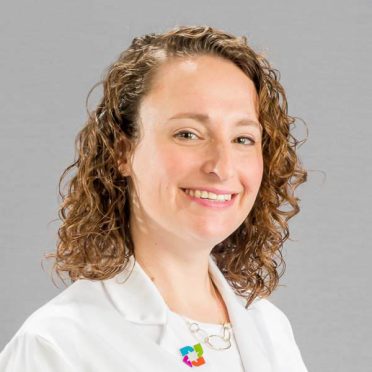
“It’s understandable to want a yes-or-no answer,” says Lisa Knopf, MD, Medical Director of Epilepsy Surgery at Hartford HealthCare. “But epilepsy isn’t just one condition. It’s a group of disorders with different causes. That’s why the idea of a ‘cure’ depends very much on the individual situation.”
Here’s what doctors want you to understand.
A “cure” for epilepsy can mean different things
When people ask if there is a cure for epilepsy, they usually mean a future with no more seizures and no need for ongoing treatment.
And the answer isn’t simple unfortunately, and depends on the person.
“In medicine, we’re careful with the word ‘cure,’” Dr. Knopf explains. “For epilepsy, we often talk instead about seizure freedom or ‘resolved epilepsy,’ meaning someone has gone many years without seizures, sometimes even off medication.”
This can mean different things for different people:
- Seizure-free for years while still taking medication.
- Seizure-free after surgery or another procedure.
- Seizures that stop in childhood and don’t return in adulthood.
- Ongoing treatment that keeps seizures under control.
“Some people achieve long-term seizure freedom and may eventually stop medication,” says Dr. Knopf. “Others will need ongoing treatment to keep seizures under control. And that’s still a success story when it keeps them safe and maintaining a good quality of life.”
> Related: 5 Common Causes of Epilepsy
Some types of epilepsy improve over time
Sometimes, especially in children, epilepsy can get better or even go away as they get older.
“Certain childhood epilepsy syndromes are known to improve or even disappear with age,” Dr. Knopf says. “As the brain matures, the tendency to have seizures can lessen, and some children eventually come off medication without seizures returning.”
But this doesn’t happen for everyone.
“Age and the type of epilepsy play a big role,” Dr. Knopf explains. “Some forms are more likely to resolve, while others are lifelong conditions that we manage over time.”
> Related: Does Epilepsy Affect Women Differently?
There’s no one-size-fits-all treatment for epilepsy
There’s no single treatment for epilepsy, and the best plan is personalized.
“Treatment is tailored to the person, their seizure type and the underlying cause,” says Dr. Knopf. “For many patients, we can reach seizure freedom. For others, we aim to reduce seizures as much as possible and improve quality of life.”
Treatment options may include:
- Anti-seizure medication to help control abnormal electrical activity in the brain.
- Surgery for carefully selected patients whose seizures start in one specific brain area that can be safely removed.
- Nerve-stimulating devices when medication is not enough or surgery isn’t the right fit.
- Special diets, including ketogenic diet therapy, for certain people with drug-resistant epilepsy.
“About two-thirds of people with epilepsy can control their seizures with medication alone,” notes Dr. Knopf. “And for some people, especially those with seizures that start in one area of the brain, surgery may eliminate seizures entirely.”
Want a Weekly Dose of Health News?
Daily habits can help prevent seizures
Treatment is essential, but your daily habits can also help.
“Once you’re diagnosed with epilepsy, the goal is to prevent seizures,” says Dr. Knopf. “That’s when being prepared, learning about the condition and building a support system become very important.”
Start with the basics:
- Take medication exactly as prescribed.
- Tell your care team about side effects instead of stopping medication on your own.
- Get enough sleep, since sleep deprivation can trigger seizures.
- Find out what triggers your seizures. These can include missed medication, stress, illness or alcohol.
- Make sure loved ones know what to do if a seizure happens.
- Bring enough medication, including any rescue medication, when traveling.
“If you’re wondering about flashing lights, you’re not the only one,” says Dr. Knopf. “Many people connect epilepsy with flashing lights, but that trigger is actually less common than most people think. What matters most is learning your own triggers.”
> Related: Is There a Connection Between Epilepsy and Anxiety?
An epilepsy diagnosis still leaves room for hope
It can be discouraging to learn that epilepsy doesn’t always come with a simple cure. But there’s still a lot of room for hope.
“The most important next step is understanding your epilepsy,” says Dr. Knopf. “If you’re concerned about seizures or have already been diagnosed, ask your neurologist what type of epilepsy you have, what may be causing it and what treatment options fit your situation.”
From there, your care team can help you build a plan focused on preventing seizures, protecting your safety and helping you get back to your life.
“Seizures don’t get the final say,” says Dr. Knopf. “For many patients, seizure freedom is absolutely achievable. And for others, we can often reduce seizures enough that they have much less impact on your daily life.”