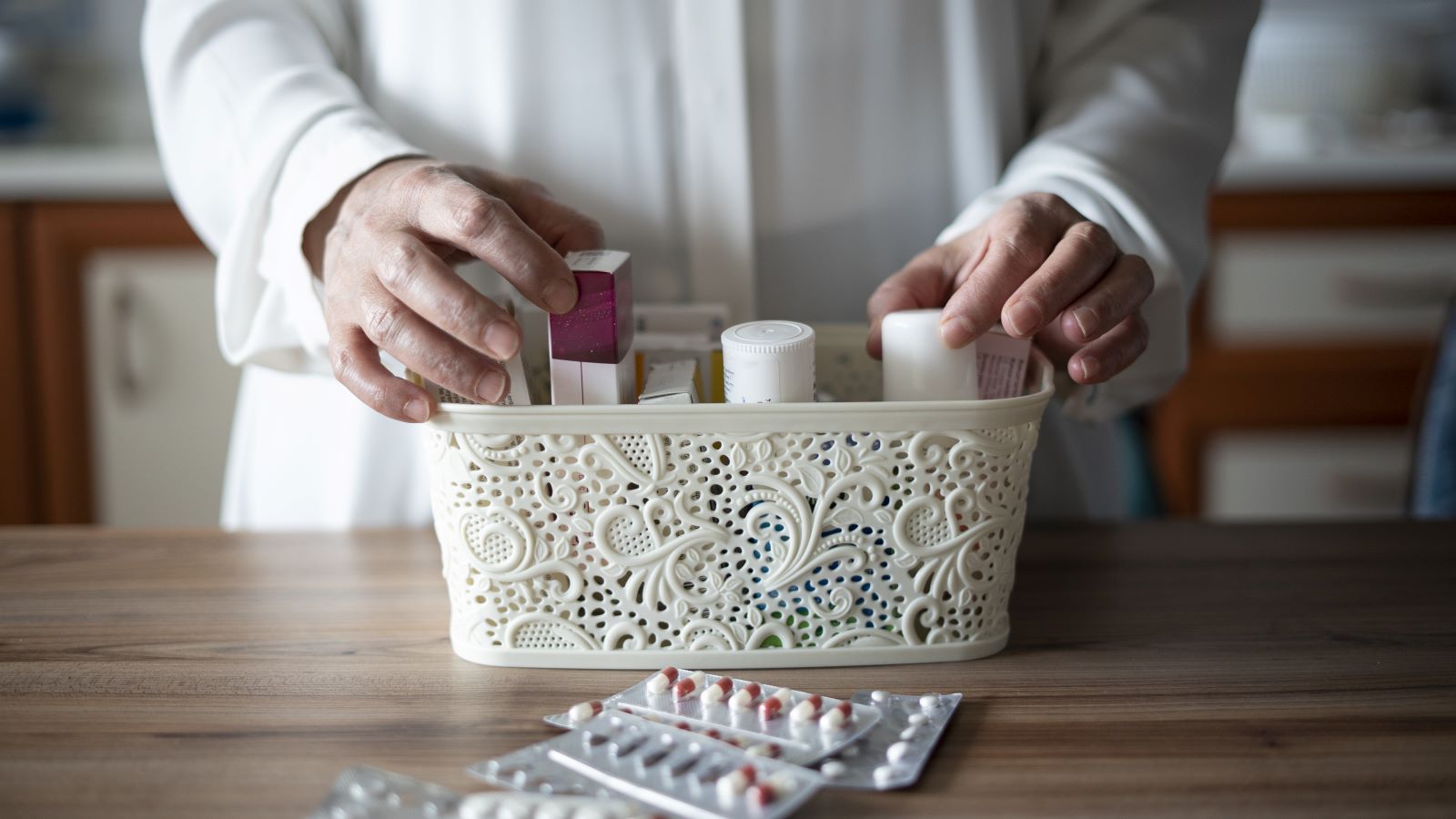

Accidents and sudden illnesses never seem to happen at a convenient time. And when they do, the last thing you want to realize is that your medicine cabinet is empty.
A well-stocked medicine cabinet covers the basics: pain relievers, wound care, digestive aids, allergy medication and a few key tools.
We asked Andrew Wong, MD, a primary care physician with Hartford HealthCare Medical Group, to share exactly what belongs and what you can skip.
“Keeping your medicine cabinet prepared is one of the easiest things you can do for your family. It saves you from a lot of unnecessary stress and gives you a solid first step before you need professional care,” says Dr. Wong.
Virtual care - when and where you need it
1. Pain and fever relief
Start with these two: acetaminophen and ibuprofen.
“These are the two I tell every patient to keep at home,” notes Dr. Wong. “They work differently, so if you’re ever unsure which to reach for, don’t hesitate to call your doctor or pharmacist.”
Acetaminophen, effective for pain as well as fever, is gentler on the stomach and works well for most people, including kids. Meanwhile, ibuprofen pulls double duty as both a pain reliever and an anti-inflammatory, which is good for muscle aches and sprains. Having both in your medicine cabinet means you’re covered no matter the situation.
> Related: 5 Ways to Get Rid of Your Headache
2. Wound care basics
Cuts, scrapes and splinters are inevitable. Especially if you have kids.
“Minor wounds are very manageable at home with the right supplies,” adds Dr. Wong. “If a cut is deep, won’t stop bleeding or shows signs of infection, such as yellow drainage or redness, be sure to seek professional care.”
Stock adhesive as well as liquid bandages, gauze pads, antiseptic wipes and antibiotic ointment to keep wounds clean as they heal. And don’t forget hydrocortisone cream for rashes, insect bites and skin irritation.
Want a Weekly Dose of Health News?
3. Digestive aids
Stomach issues never come at a good time, especially when they hit in the middle of the night or right before you need to leave the house.
For heartburn or indigestion, keep an antacid on hand, such as Tums or Mylanta. These can help with occasional burning, bloating or that uncomfortable “I overdid it” feeling after a heavy meal.
For diarrhea, an anti-diarrheal like Imodium or Pepto-Bismol can help you get through the worst of it.
4. Allergy relief
Allergy flare-ups can hit hard, bringing sneezing, itchy eyes, a scratchy throat and postnasal drip.
For seasonal symptoms, an antihistamine like Claritin or Allegra is a good medicine cabinet staple. It’s also worth keeping Benadryl on hand for occasional allergic reactions, but use it carefully because it can cause drowsiness.
“Allergy and cold symptoms are very manageable at home with the right over-the-counter options,” Dr. Wong explains. “If things aren’t improving after a few days or your symptoms get worse, that’s your sign to reach out to your doctor.”
5. Cold symptom soothers
Colds may be common, but that doesn’t mean you have to suffer through every symptom without help.
For a stuffy nose or sinus headache, consider a decongestant like Sudafed or a nasal spray like Flonase or Nasonex. These can help relieve congestion and make it easier to breathe, especially at night.
And if a cough won’t let you sleep, keep a cough suppressant or expectorant nearby, such as Mucinex or Robitussin. The right choice depends on the type of cough you have, so always read the label and ask a pharmacist if you’re not sure.
> Related: Which Cold Medicine Is Right for Me?
6. Tools to have on hand
The right tools help you know when to wait it out and when to make the call.
“Having the right tools at home takes a lot of the guesswork out of knowing when to seek care,” says Dr. Wong.
A digital thermometer is non-negotiable. Being able to confirm a fever changes everything. A pulse oximeter is a smart add for anyone with respiratory or heart concerns. And if anyone in your household manages blood pressure, a home cuff is worth having too.
“Being prepared at home is really about peace of mind. Having the right supplies all in one place means you can handle the small stuff confidently and know when it’s time to reach out for help,” notes Dr. Wong.