
When you think about improving your health, exercise and diet probably come to mind first. But the hobbies you enjoy in your free time can also play a powerful role in your well-being.
“Hobbies help you relax, move your body and engage your mind,” says Jennifer Ferrand, PsyD, with Hartford HealthCare. “Those things are incredibly important for your overall health.”
Some healthy hobbies get you outside. Others challenge your brain, spark creativity or help you connect with others. And many provide surprising benefits for your physical and mental health.
Here are seven healthy hobbies worth trying.
Virtual care - when and where you need it
1. Birdwatching
You don’t need special equipment or a remote trail to start birdwatching.
Birdwatching is one of the easiest ways to spend more time outdoors. Whether you’re walking through a park or simply watching from your backyard, the activity encourages you to slow down and pay attention to your surroundings.
“Spending time in nature can help lower stress levels and improve mood,” Dr. Ferrand says. “Research shows activities like birdwatching can reduce symptoms of anxiety and depression, promote relaxation and even lower levels of the stress hormone, cortisol.”
Even spotting or listening to birds during a short walk can turn an ordinary outing into a calming, mindful experience.
> Related: How Cleaning Out One Drawer Can Shift Your Entire Mindset
2. Gardening
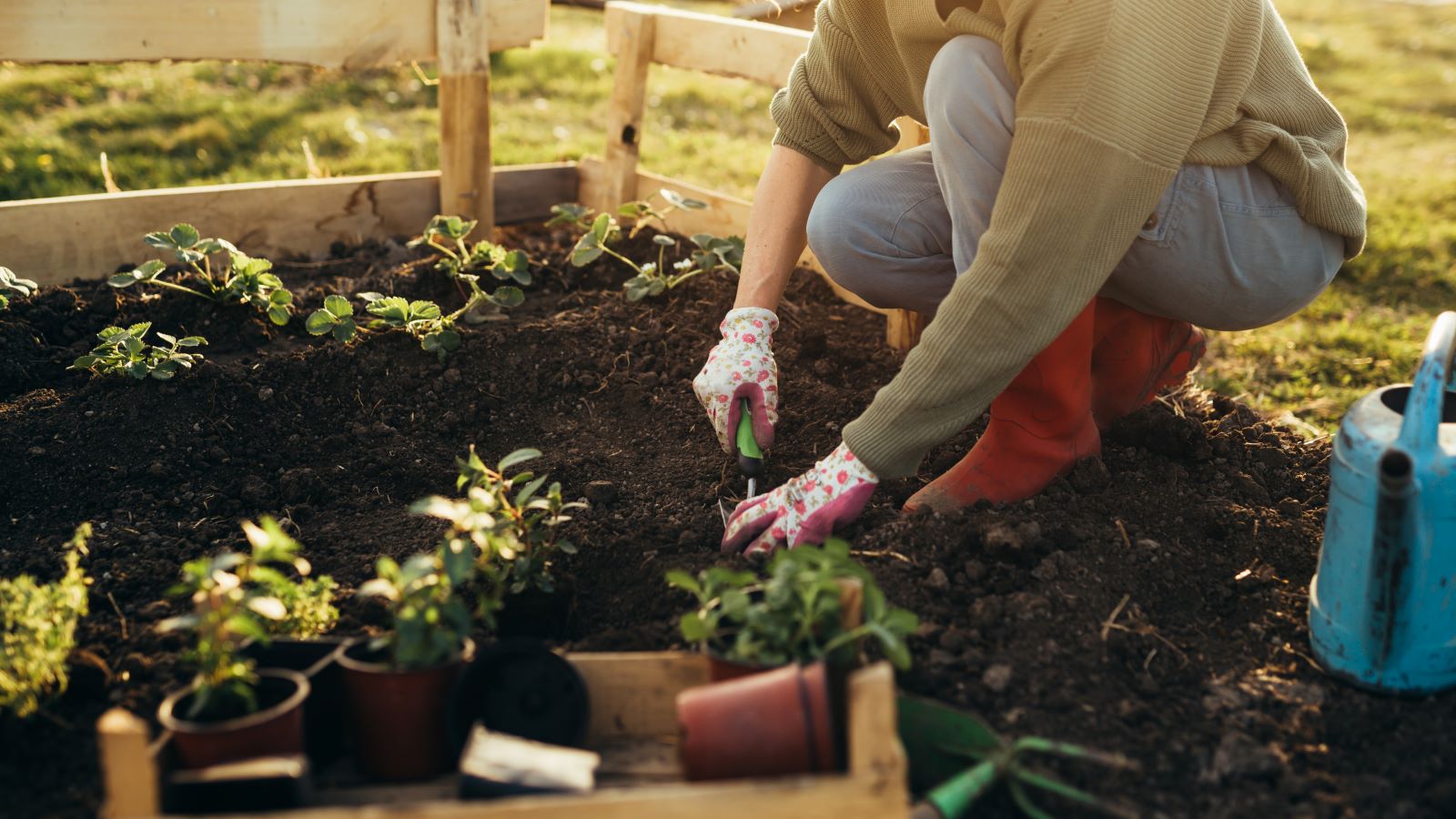
Gardening offers a mix of light physical activity and time outside.
Planting, watering and tending to plants involve movement while also providing a sense of accomplishment as things begin to grow. For many people, the routine itself becomes relaxing.
“Gardening allows you to slow down and connect with nature,” Dr. Ferrand says. “That combination can be very beneficial for your physical and emotional health.”
Over time, caring for plants can create a rewarding routine that supports your body and mind.
> Related: How to Reset Your Day in Just Five Minutes
3. Hiking
Hiking combines movement, fresh air and time in nature.
Even an easy trail can provide meaningful health benefits, including improved cardiovascular fitness and stronger muscles. At the same time, being surrounded by natural scenery can help reset your mind.
“Time in green spaces has been linked to lower stress levels and improved emotional wellbeing,” Dr. Ferrand says.
You don’t have to travel far to enjoy it — local parks and nature trails are a great place to start.
> Related: This Is What Doomscrolling Does to Your Brain
4. Photography
Photography encourages you to see everyday places in a new way.
Instead of rushing through your surroundings, you start noticing details like light, colors and textures. That shift in focus can make walks or outdoor time more engaging.
“Creative hobbies activate different parts of the brain and give people a break from everyday stress,” Dr. Ferrand says.
Photography also pairs well with other healthy habits like walking, hiking or exploring new places.
Want a Weekly Dose of Health News?
5. Choral singing
You don’t have to be a trained singer to join a group.
Choral singing brings people together in a shared activity that combines music, breathing and social connection. Whether it’s a community choir or a casual group, singing with others can be both energizing and calming.
“Activities that involve social connection are incredibly important for overall wellbeing,” Dr. Ferrand says. “Singing together can boost mood, reduce stress and help people feel more connected.”
It also encourages deep breathing and posture, which can support physical health in subtle ways.
> Related: What Constant Multitasking Does to Your Brain
6. Creative writing
Writing can be a powerful way to process thoughts and experiences.
Whether you’re journaling, writing stories or simply putting ideas on paper, the act of writing encourages reflection and self-expression.
“Writing allows people to organize their thoughts and gain perspective,” Dr. Ferrand says. “That can make stressful situations feel more manageable.”
Many people find that even a few minutes of writing can help clear their mind.
> Related: 5 Mindfulness Techniques Worth Trying
7. Cooking
Cooking something new can turn a daily routine into a creative activity.
Trying different recipes or experimenting with ingredients can make preparing meals more enjoyable while also encouraging healthier eating habits.
“Cooking engages multiple senses and can be very satisfying,” Dr. Ferrand says.
Sharing meals with family or friends can also add a social connection that supports overall wellbeing.
> Related: 9 Foods That Can Actually Boost Your Mood
Small hobbies can make a big difference
Supporting your health doesn’t always require major lifestyle changes.
Sometimes, simply making time for activities you enjoy can improve both physical and emotional wellbeing.
“Hobbies remind us to slow down and do something that feels meaningful or enjoyable,” Dr. Ferrand says. “Those moments are important for long-term health.”
With warmer weather around the corner, it might be the perfect time to try some new healthy hobbies.