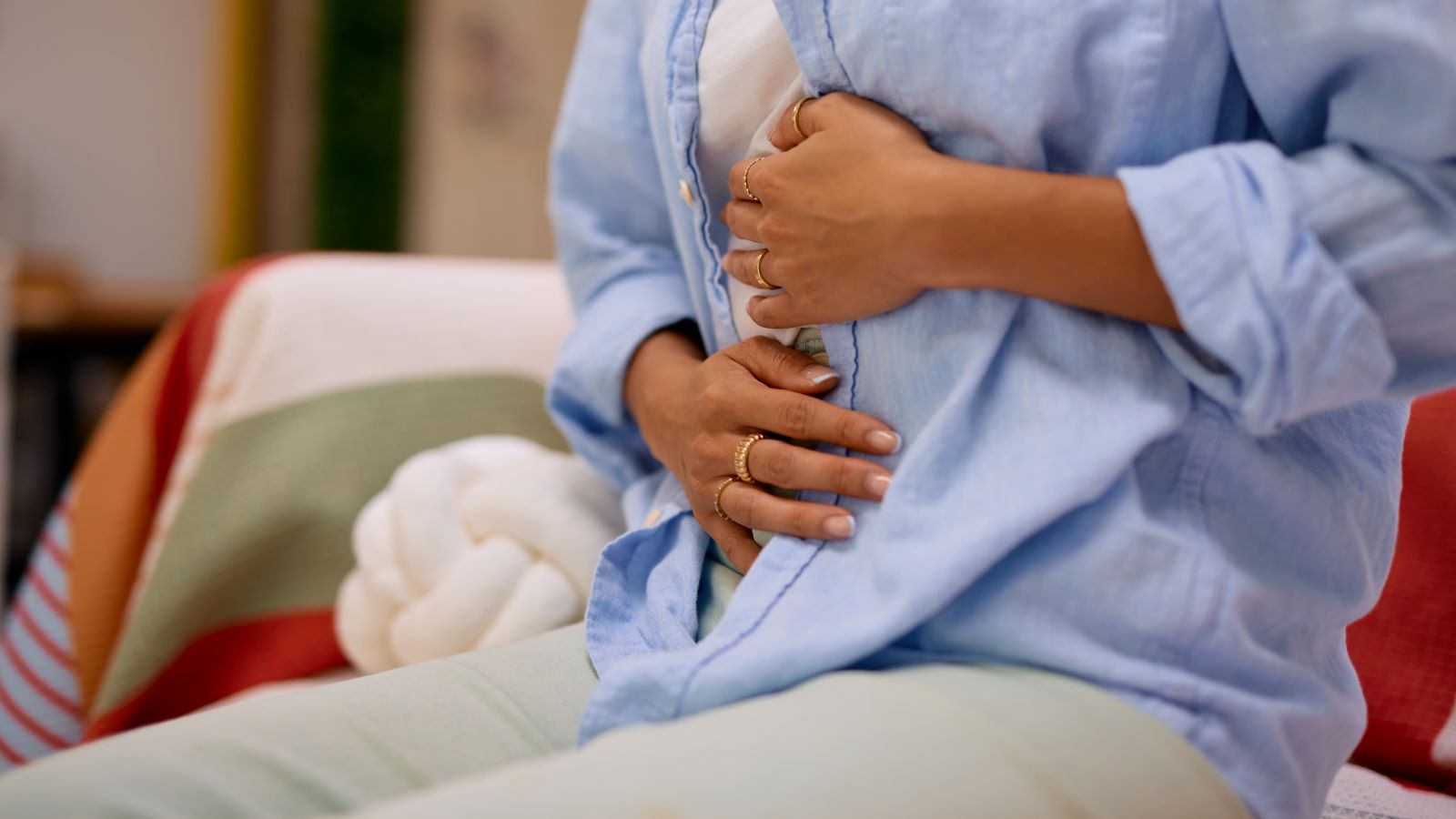

A hernia might sound like something that just happens. But in many cases, it develops over time from repeated strain on your abdominal muscles.
“Most hernias are caused by a combination of inherent weakness of the abdominal wall and increased pressure inside the abdomen,” says Christopher Husko, DO, a general surgeon with Hartford HealthCare. “When that pressure builds up, it can push tissue through a weak spot in the abdominal wall.”
That pressure often comes from everyday habits: how you lift, how you exercise and other activities that cause strain.
The good news is that many of those factors are within your control, and a few small changes can help prevent a hernia before it starts.
Here’s what you can do to avoid a hernia.
1. Lift smarter, not heavier
Heavy lifting is one of the most common triggers for a hernia, especially in the groin.
“When you lift incorrectly, you sharply increase pressure inside your abdomen,” Dr. Husko says. “That pressure has to go somewhere.”
To help prevent a hernia when you’re lifting:
- Bend at your knees, not your waist
- Keep the object close to your body
- Avoid twisting while carrying weight
- Ask for help if something feels too heavy
> Related: The Best Diet for Managing a Hiatal Hernia
2. Strengthen your core the right way
Your core muscles help support your abdominal wall. When they’re weak, certain areas can become more vulnerable.
“Targeted core exercises can help maintain muscle tone and stability,” says Dr. Husko. “But improper technique or lifting too much weight can actually increase your risk.”
Controlled movements like plank and bridges can help support your midsection and prevent a hernia related to abdominal wall weakness. If you’re unsure about form, working with a trainer or physical therapist can make a big difference.
3. Maintain a healthy weight
Extra weight increases constant pressure inside your abdomen even when you’re standing still.
“Carrying extra weight increases baseline abdominal pressure every day,” Dr. Husko explains. “Over time, that chronic strain can contribute to hernia formation.”
Losing even a modest amount of weight can reduce that daily stress on your abdominal wall and help prevent hernia from developing over time.
> Related: 3 Things to Know If You’re Struggling to Lose Weight
4. Don’t ignore chronic coughing
A lingering cough from smoking, asthma or another lung condition doesn’t just affect your lungs. It repeatedly increases pressure in your abdomen.
“Chronic coughing is a significant risk factor,” says Dr. Husko. “Each forceful cough increases strain on the abdominal wall.”
If you have a cough that won’t go away, talk with your doctor. Managing the underlying cause may help protect your abdominal muscles and help prevent a hernia linked to repeated strain.
Want a Weekly Dose of Health News?
5. Prevent constipation
Straining during bowel movements is another common cause of increased abdominal pressure.
“To prevent hernias, it’s important to avoid repeated straining,” Dr. Husko says.
You can lower your risk by:
- Eating enough fiber
- Drinking plenty of fluids
- Staying physically active
- Talking to your provider if constipation becomes frequent
These daily habits may seem small, but they can play a big role in helping prevent hernia.
> Related: 6 Common Locations Where You Might Get a Hernia
6. Give your body time to heal after surgery
If you’ve had abdominal surgery before, you may be at higher risk for what’s called an incisional hernia.
“The abdominal wall needs time to regain strength after an operation,” says Dr. Husko. “Returning to heavy activity too soon can increase the chance of developing a hernia at the incision site.”
Following post-surgical lifting restrictions is one of the most important steps you can take to prevent a hernia after a procedure.
Here’s when it’s time to see your doctor
Not every ache or strain means you have a hernia. But certain symptoms shouldn’t be ignored.
Call your provider if you notice:
- A visible bulge in your abdomen or groin
- Pain or pressure that worsens with lifting or coughing
- A bulge that becomes tender, firm or difficult to push back in
- Nausea or vomiting along with a painful bulge
“Hernias don’t improve on their own,” Dr. Husko says. “The earlier we evaluate them, the more options patients typically have and the quicker the recovery.”
While you can’t prevent a hernia in every situation, reducing strain on your abdominal wall can significantly lower your risk. And if something doesn’t feel right, getting it checked early can help prevent more serious complications later.