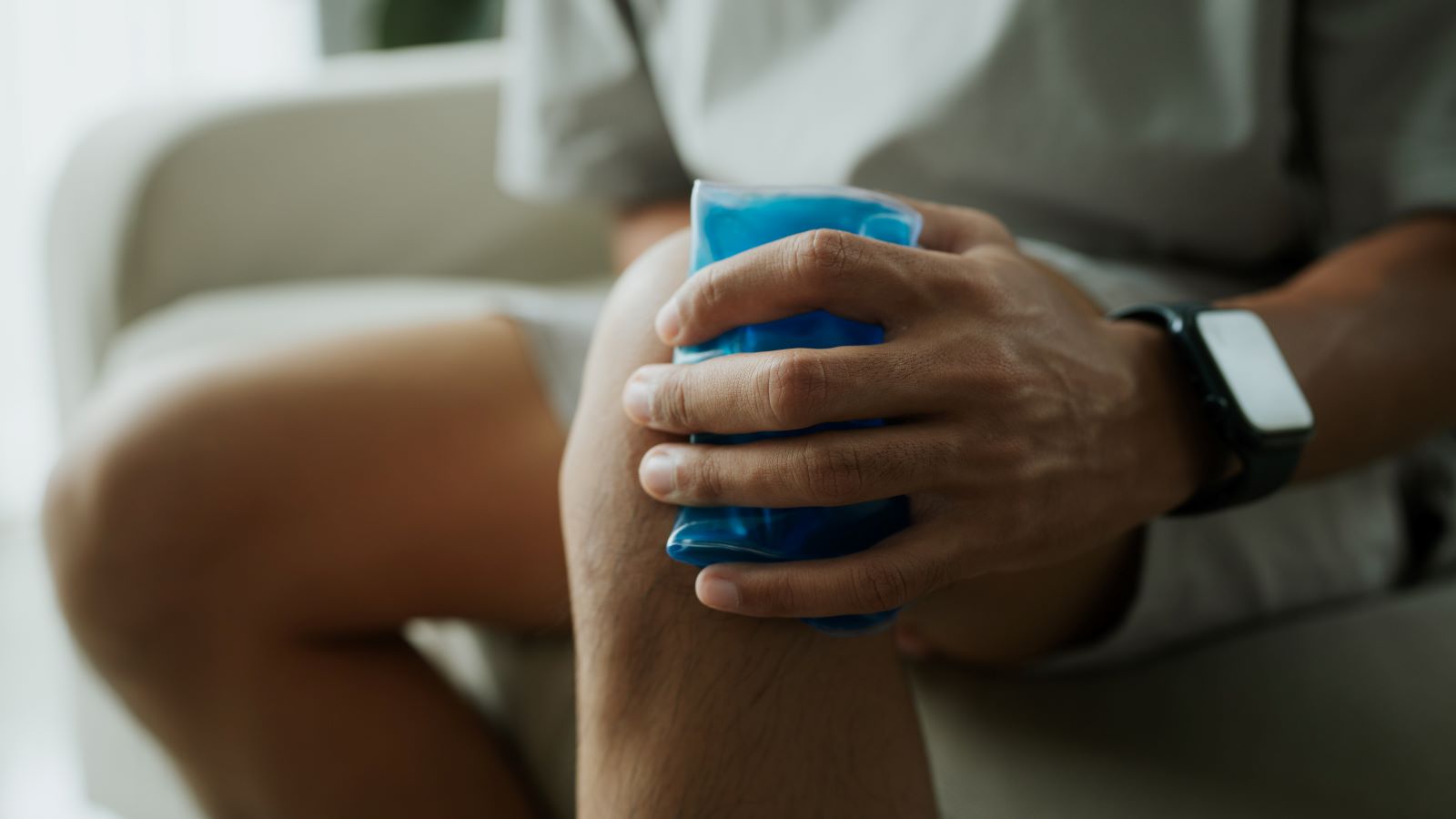

Whether it creeps in gradually or shows up after one wrong move, knee pain can make your everyday activities much more difficult.
“It can happen for lots of reasons, from acute events like sports or work-related injuries, to overuse injuries like osteoarthritis,” says Robert Carangelo, MD, a joint replacement surgeon with Hartford HealthCare. “Left untreated, knee pain can result in a compensatory gate or even cause problems with other joints.”
But luckily, a few small lifestyle changes can help take pressure off your knees and easy discomfort.
Here are five ways to get some relief for your knee pain.
1. Strengthen the muscles that support your knee
When your muscles are weak, your knee joint takes the hit. And over time, that added stress can lead to more pain.
“Strengthening the muscles around the knee through low-impact exercises or isometric strengthening can prevent atrophy and improve function,” says Dr. Carangelo.
Movement also helps keep your joints healthy.
“Simple range of motion exercises pump fluid in and out of the joint,” explains Dr. Carangelo. “You lose some of that natural pump action when you move less.”
Try these joint-friendly moves:
- Bridges: Strengthen your glutes and hamstrings without straining your knees.
- Straight leg raises: Boost quad strength without joint pressure.
- Wall sits: Engage your quads and glutes with low knee impact.
> Related: Can’t Sleep Because of Knee Pain? Try These 7 Expert Tips
2. Lighten the load
Your knees carry a lot of your body weight with every step, so even a small amount of weight loss can make a noticeable difference if you’re carrying extra weight.
“For every pound we lift, five pounds go through the knee,” says Dr. Carangelo. “That means that any weight lost will greatly reduce symptoms.”
Less pressure on the joint can mean less pain during everyday activities like walking, climbing stairs or getting up from a chair. Over time, it can also help reduce stress on the cartilage and other structures in the knee.
> Related: Top 3 Physical Activity Goals for Weight Loss
3. Know when it’s time to use ice or heat
Ice and heat can both help with knee pain, but timing matters.
If your knee pain is from a new injury, start with ice. It can help reduce swelling and ease soreness, especially during the first few days.
“Ice is initially recommended after an acute injury to reduce swelling and pain,” says Dr. Carangelo. “After the first 48 to 72 hours, you might switch to heat to prevent muscle spasms.”
Heat is more helpful for ongoing stiffness or discomfort, including pain from arthritis. A warm compress or heating pad can help loosen tight muscles and make it easier to move.
> Related: 3 Ways to Help Ease Swelling
4. Choose low-impact movement
Knee pain can make exercise feel like the last thing you want to do. But staying active can actually help, as long as you choose movements that are easier on your joints.
“Low-impact exercise like cycling, swimming or walking keeps the joint lubricated and the muscles strong without adding stress,” says Dr. Carangelo. “Consistency matters more than intensity.”
The key is to start slow, especially if you’re new to exercise. A short walk or a few minutes on a stationary bike all count. And if an activity consistently makes your pain worse, stop and talk with your provider or physical therapist about other options.
Want a Weekly Dose of Health News?
5. Try physical therapy
If knee pain keeps coming back, physical therapy can help you figure out what’s causing it and what you can do differently.
Even a few sessions can give you a more personalized plan for managing pain and getting back to the activities you enjoy.
“Physical therapy isn’t just about exercises,” says Dr. Carangelo. “You can learn how your body moves and how to better protect it in your daily life. Small changes can lead to big improvements.”
> Related: The 4 Best Exercises for Stronger Knees, According to an Orthopedic Surgeon
When to see your doctor
Home remedies can help with relief for your knee pain, but some signs mean it’s time to check in.
“Symptoms of knee pain can include swelling, stiffness, tightness or a feeling of instability,” says Dr. Carangelo. “You may also notice pain along the joint line, or even fluid buildup in the knee, also known as effusion.”
Make an appointment if you notice:
- Pain that lasts more than 2–3 weeks.
- Swelling, redness or a feeling of instability.
- Clicking, locking or giving way.
- Pain that isn’t responding to conservative therapy.
- Nighttime pain that disrupts sleep.
“If your pain isn’t improving or it’s getting in the way of your life, we can help,” says Dr. Carangelo. “There are plenty of options we can try, including physical therapy, medications and injections.”
Still, for some people, surgery may be the next best step.
“If pain and loss of function become severe and other treatments aren’t helping, let’s talk about joint replacement,” he says. “Not only can surgery relieve a lot of pain, but it can also help you move more freely again.”