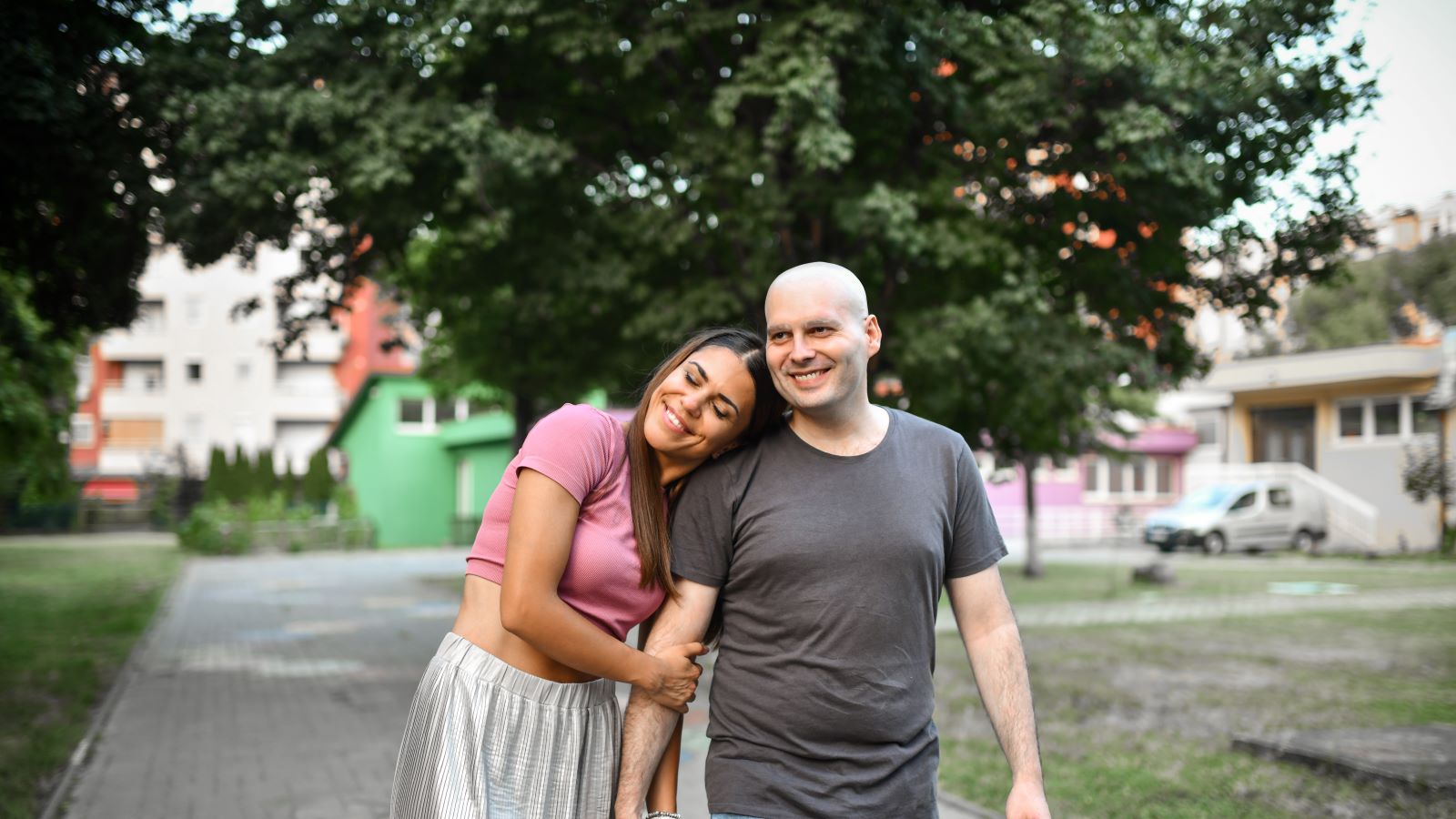

Surviving cancer marks the end of a difficult journey, and the beginning of a new chapter.
But life after cancer isn’t the same for everyone. You might feel hopeful, overwhelmed or unsure about what comes next. And that’s completely normal.
To help you navigate this next chapter, we spoke with Deb Walker, APRN, a nurse practitioner with Hartford HealthCare Cancer Institute Survivorship Program. She shares what you might not know about life after cancer, and how to focus on living your life fully.
1. Your body is still healing
Just because treatment is over doesn’t mean you’ll feel like yourself right away.
You might still notice:
- Fatigue.
- Changes in appetite or weight.
- Swelling in your arms or legs (often from lymph node removal).
- Pain from cancer treatment – including surgery, radiation or chemotherapy – which may cause nerve
issues like tingling, numbness or burning in your hands and feet. - “Chemo brain,” that foggy feeling that makes it hard to concentrate or remember things.
“Your body goes through a lot during cancer treatment,” says Walker. “Recovery takes time, and your care team can help you find ways to get through the day a little easier.”
> Related: 5 Ways To Strengthen Your Immune System After Cancer Treatment
2. Emotional healing also takes time
For many survivors, the emotional part of healing can feel daunting.
“It’s common to feel anxious about the cancer coming back, or even a little lost as you adjust to a new version of yourself,” says Walker. “Those feelings are real, and they deserve attention.”
You don’t have to face it alone. Talking with a counselor or joining a support group can be a comforting part of your healing.
> Related: 5 Things to Know About Cancer Remission
3. Some relationships can shift, and it can be hard
After cancer, the way you connect with others may change. Some relationships grow stronger. Others may feel distant or strained.
“Friends and family don’t always understand your ‘new normal,’” says Walker. “That can lead to frustration or miscommunication.”
Sharing what you’re going through – and learning from others who’ve been there – can help.
Want a Weekly Dose of Health News?
4. Your outlook on life might change in unexpected ways
After everything you’ve been through, it’s common to see life a little differently.
Each survivor’s experience is unique, and many cancer survivors find that their priorities shift. You might find yourself craving more time with the people you love, wanting to travel or finally picking up that hobby you’ve always put off. Some people feel a deeper appreciation for life and a stronger sense of purpose.
“It’s okay to feel overwhelmed. Many survivors face fear of cancer coming back, changes in how they see their bodies or even guilt,” says Walker. “Growth and gratitude can exist right alongside those feelings – because it’s all part of healing.”
> Related: Struggling to Sleep After Cancer? Try These 4 Tips
5. Follow-up care is part of moving forward
Even after treatment ends, regular check-ins help monitor your health, catch any changes early and offer peace of mind along the way.
If you’re dealing with ongoing symptoms, emotional ups and downs or new health concerns, speak up. Your doctor, a counselor and support groups can make this part of the journey feel less overwhelming.
“Life after cancer can be challenging,” says Walker. “But it also offers space for growth, reflection and renewed purpose. Lean into what you need right now, and give yourself permission to build a life that truly fits who you are today.”