
When your colon is healthy, you probably don’t notice it. But the moment something’s off, it has a way of getting your attention fast.
But the foods you eat every day can help keep things running smoothly. And the best part is that many of the best options are easy to find and simple to prepare.
John Aversa, DO, a gastroenterologist with Hartford HealthCare, shares eight colon friendly foods and practical ways to add them to your routine.
1. Whole grains
Let’s start with a staple. Whole grains like oats, brown rice and whole wheat bread are rich in fiber, which helps keep your digestion regular.
“Fiber adds bulk to stool and helps move waste through the colon more efficiently,” says Dr. Aversa. “That regular movement is important for overall colon health.”
Aim to swap refined grains for whole grains when you can. Even small changes add up.
> Related: The 10 Best Foods for Your Gut Health
2. Beans and lentils
They aren’t exactly known for making your stomach happy, but beans and lentils are surprisingly good for your colon.
“Beans and lentils are packed with fiber and resistant starch, which feed beneficial gut bacteria,” Dr. Aversa says.
Rinse canned beans well to reduce bloating and start with smaller portions if you aren’t used to eating them.
> Related: The 8 Best Fermented Foods for Your Health
3. Leafy greens
Spinach, kale and Swiss chard get all the glory when it comes to heart health, but they’re good for your digestion, too.
“These provide fiber, vitamins and antioxidants that all support a healthy digestive tract,” says Dr. Aversa.
They’re easy to toss into salads, smoothies or sauces, even if greens aren’t usually your go to.
> Related: 5 Supplements That Can Help Your Gut Feel Its Best
4. Apples
You can’t go wrong with a convenient snack that’s actually good for you.
“Apples contain soluble fiber, particularly pectin, which supports healthy bowel movements,” Dr. Aversa notes.
Leave the skin on for maximum fiber, and enjoy them fresh or sliced into oatmeal or yogurt.
> Related: 5 Exercises to Get Your Gut Moving
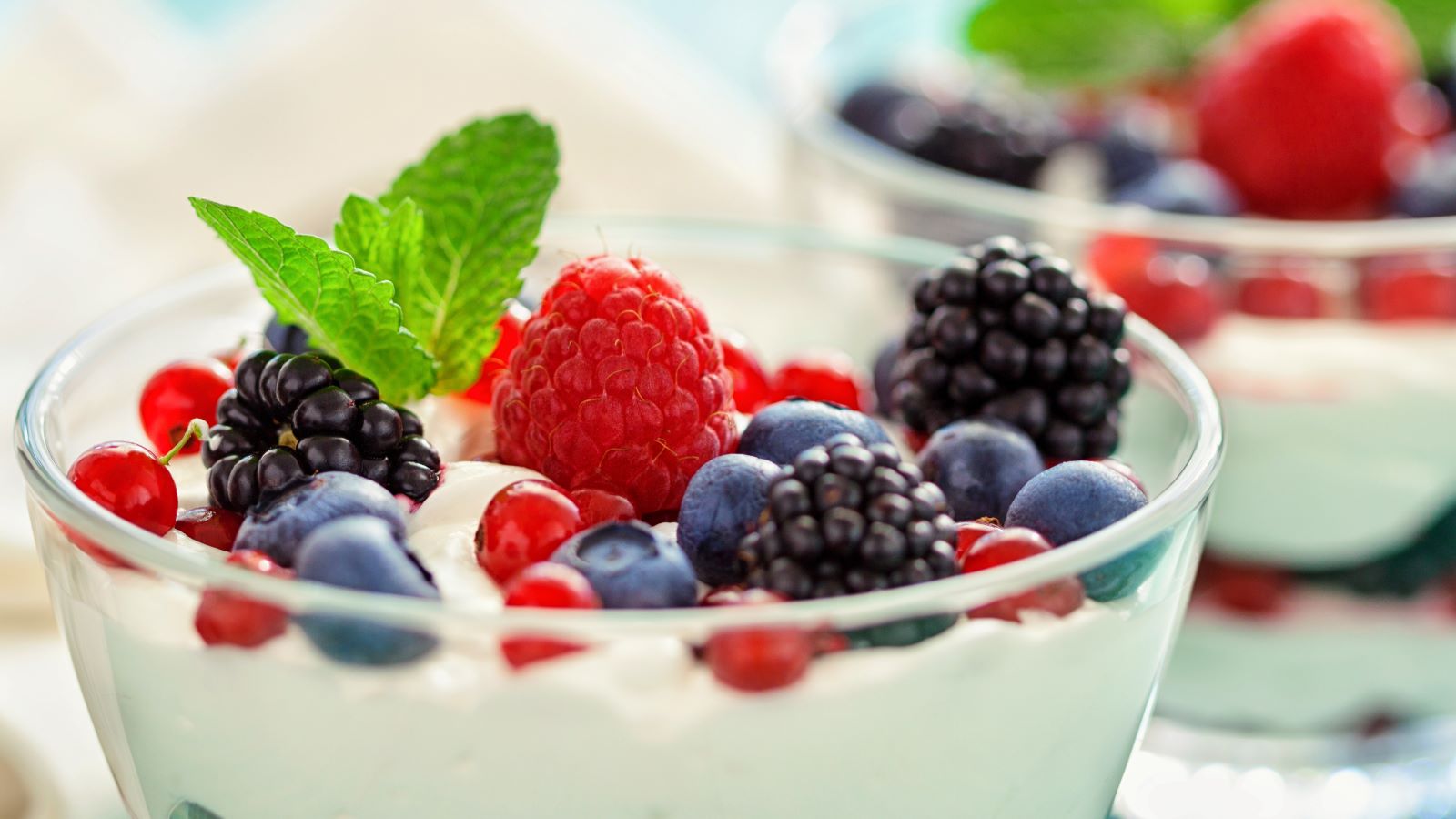
5. Berries
They might be small, but berries can make a big impact.
“Berries are high in fiber and antioxidants, which may help reduce inflammation in the digestive tract,” says Dr. Aversa.
Blueberries, raspberries and strawberries are all great choices, especially if you’re looking to add sweetness without extra sugar.
Want a Weekly Dose of Health News?
6. Yogurt with live cultures
Bacteria gets a bad reputation, but when it comes to your gut it can work wonders.
“Foods with probiotics help maintain a healthy balance of gut microbes, which is essential for colon function,” Dr. Aversa says.
Look for yogurt with live and active cultures and minimal added sugar to get the most benefit.
> Related: You Had a Positive Cologuard Test. Now What?
7. Broccoli and cauliflower
Looking for a cheap, convenient way to round out your dinner plate?
“Cruciferous vegetables contain compounds that support digestion and may help protect the colon,” says Dr. Aversa.
Try cooking them instead of eating them raw – you get all the benefits without the gas.
> Related: What’s Causing My Hemorrhoids?
8. Nuts and seeds
It’s the salty snack your body craves more than potato chips.
“Nuts and seeds provide fiber, healthy fats and anti-inflammatory nutrients,” Dr. Aversa explains.
Almonds, walnuts, chia seeds and flaxseed are all great options. Just keep an eye on the portion sizes.
> Related: The Surprising Amount of Fiber You Actually Need
It’s time to pay attention to your colon
Colon health often goes unnoticed, but you won’t regret keeping an eye on it.
“A diet rich in fiber, variety and whole foods supports a healthier colon over time,” says Dr. Aversa.
If you aren’t used to eating a lot of fiber, add new foods in gradually and drink plenty of water to avoid discomfort.