When you think of Parkinson’s disease, you probably think of tremors, stiffness and slow walking.
But Parkinson’s can affect much more than movement, sometimes causing symptoms that people don’t immediately connect with the disease.
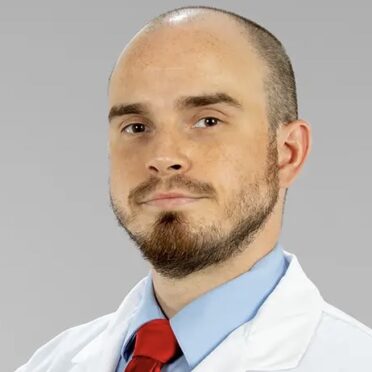
“It is so much more than a movement disorder,” says Clifton Lewis, DO, a movement disorder neurologist with Hartford HealthCare Ayer Neuroscience Institute. “Parkinson’s can affect multiple systems throughout the body, which is why symptoms can look very different from person to person.”
Here are nine Parkinson’s symptoms that go beyond movement problems,.
1. Your mood changes
Depression and anxiety are common in Parkinson’s disease.
“And they’re not always just a reaction to the diagnosis,” says Dr. Lewis. “Depression in Parkinson’s can be part of the disease process itself, and that distinction matters.”
Mood changes may include:
- Depression
- Anxiety
- Irritability
- Loss of motivation
- Emotional withdrawal
- Less interest in activities you used to enjoy
“These changes can happen slowly, so they’re easy to miss,” explains Dr. Lewis. “Some people think they’re just stressed, overwhelmed or having trouble adjusting, but it’s more than that.”
> Related: Identifying These Early Signs of Parkinson’s Can Lead to Better Outcomes
2. Sleep gets disrupted
Parkinson’s can affect sleep in different ways. Some people have trouble falling or staying asleep, while others feel very sleepy during the day.
“When sleep is thrown off, patients often notice worsening fatigue, mood and concentration during the day,” says Dr. Lewis.
Sleep issues may include:
- Frequent waking
- Restless or uncomfortable legs
- Excessive daytime sleepiness
- Acting out dreams
- New or worsening fatigue
“One sleep symptom that can be especially surprising is dream enactment behavior,” says Dr. Lewis. “This is when a person may talk, kick, punch or act out dreams while asleep. It can disrupt their sleep and their partner’s, and in some cases, lead to injury. It’s also important to recognize because it can be an early sign of Parkinson’s disease, sometimes appearing years before any obvious movement problems begin.”
> Related: You’re Sleeping Wrong: 5 Habits That Actually Help You Rest
3. Thinking feels slower
Parkinson’s doesn’t affect everyone in the same way, including processing speed.
“Some people notice changes in attention, memory or how quickly they think,” says Dr. Lewis. “Patients often tell us they feel mentally slower, less sharp and require assistance from their partners to maintain the same level of daily function.”
Cognitive changes may include:
- Slower thinking
- Trouble multitasking
- Difficulty planning or organizing
- Memory changes
- Reduced attention
“These symptoms can be frustrating because they’re often subtle at first,” says Dr. Lewis. “A task that used to feel automatic may suddenly take more effort. But these types of cognitive changes can have many causes, some of which are reversible. A big part of what we do is figure out what may be part of a potential neurodegenerative disorder and what may not be, so we can recommend the right prevention and treatment strategies.”
> Related: What a 15 Minute Walk Outside Actually Does to Your Brain
4. Constipation becomes more common
We all get a little backed up. But constipation is one of the most common non-motor symptoms of Parkinson’s disease.
“Parkinson’s can affect the autonomic nervous system, which controls things like digestion,” says Dr. Lewis. “Constipation can even start decades before movement symptoms show up.”
Digestive symptoms may include:
- Constipation
- Bloating
- Slower digestion
- Feeling full quickly
“Because constipation is so common, people may not think to connect it to Parkinson’s,” says Dr. Lewis. “But it can be part of the disease and can affect comfort, appetite and quality of life. We also want to address the most common causes, including anything that may be making it worse, to help manage this very common issue.”
> Related: 9 Common Causes of Constipation
5. Standing up makes you feel dizzy
Parkinson’s can affect how the body regulates blood pressure.
“For some people, this means feeling dizzy or lightheaded when standing up, especially when changing positions,” says Dr. Lewis. “This is called orthostatic hypotension, which means blood pressure drops when you stand.”
Doctors diagnose orthostatic hypotension when blood pressure drops by at least 20 mmHg in the top number or 10 mmHg in the bottom number after standing. This can happen because of dehydration or blood pressure medications (cardiogenic), or it can be neurogenic, meaning it’s related to how the brain and nervous system control blood pressure in conditions like Parkinson’s disease.
Symptoms may include:
- Dizziness
- Lightheadedness
- Blurry vision
- Fainting
- Feeling unsteady
“It’s easy to blame these symptoms on aging, dehydration or standing up too fast,” says Dr. Lewis. “But this can be a potentially dangerous symptom because it may increase the risk of falls and injuries. Whether the cause is neurologic or not, it’s important to have it evaluated promptly.”
Want a Weekly Dose of Health News?
6. Fatigue feels heavier
The fatigue you get from Parkinson’s isn’t the same as just feeling tired.
“Fatigue in this setting is more than feeling sleepy or tired,” says Dr. Lewis. “It can also include apathy, low motivation or feeling like it’s hard to get going. It’s one of the most common symptoms we see, and it can have a real impact on daily life.”
This extreme tiredness can affect:
- Physical energy
- Mental energy
- Motivation
- Concentration
- Daily activities
“Because fatigue isn’t visible, family, friends or coworkers might not understand it,” says Dr. Lewis. “That can make it even harder to talk about, but fatigue in Parkinson’s is real and can be very disabling.”
> Related: Feeling Drained? Don’t Ignore These 7 Warning Signs of Compassion Fatigue
7. Pain shows up in unexpected ways
Pain isn’t always the first thing people think of with Parkinson’s.
“But pain can be a symptom,” says Dr. Lewis. “Many patients are surprised to learn their pain may be related to Parkinson’s. It can be complicated, though, because people with Parkinson’s may have many reasons for pain.”
Parkinson’s-related pain may include:
- Aching muscles or joints
- Muscle cramps
- Burning or tingling sensations
- Painful muscle tightening, called dystonia
Movement symptoms can make pain worse, and pain can make movement even harder, creating a frustrating cycle.
“Pain can come from stiffness, muscle cramps, posture changes or the disease itself,” says Dr. Lewis. “It can also change during the day or with medication timing, which makes it harder to describe.”
> Related: Can Joint Supplements Help Your Pain? Here’s What a Doctor Says
8. Voice or swallowing changes
Parkinson’s can affect the muscles used for speaking and swallowing.
“Sometimes patients don’t notice how much softer their voice has become,” says Dr. Lewis. “Some changes happen slowly, so family members may notice them first.”
Symptoms may include:
- Softer speech
- Hoarseness
- Slower speech
- Drooling
- Trouble swallowing
“Changes in swallowing are especially important because they can affect nutrition and airway safety,” says Dr. Lewis. “We can often help with speech therapy, swallowing evaluations and referrals to specialized programs for people with Parkinson’s, such as Lee Silverman Voice Treatment, or LSVT.”
> Related: 7 Reasons You May Have Trouble Swallowing
9. Sense of smell fades early
A reduced sense of smell can show up years before a Parkinson’s diagnosis.
“Some people notice food smells different or doesn’t taste as good,” says Dr. Lewis. “A reduced or lost sense of smell can be an early sign of Parkinson’s disease, sometimes appearing years before any movement symptoms begin.”
Smell changes may include:
- Reduced ability to smell food
- Less enjoyment from eating
- Trouble detecting smoke
- Trouble noticing spoiled food or familiar scents
“A change in smell doesn’t always mean someone has Parkinson’s,” says Dr. Lewis. “That’s why we look at it in the context of the person’s full clinical picture.”
> Related: What Happens to Your Body When You Cut Back on Ultra-Processed Foods
Why these symptoms matter and what to do next
For many people, non-motor symptoms of Parkinson’s are what affect daily life the most. They can get in the way of sleep, relationships, work, independence, confidence and emotional health.
“Patients sometimes focus so much on tremor, stiffness or walking that they forget to mention other symptoms,” says Dr. Lewis. “But those symptoms can be just as important. They can affect your quality of life and should be treated, too.”
Managing Parkinson’s often takes a team, including neurologists, primary care doctors, physical and occupational therapists, speech therapists, mental health professionals, social workers, dietitians and other specialists.
“Recognizing non-motor symptoms is an important part of living well with Parkinson’s,” says Dr. Lewis. “The more we know about what you’re experiencing, the better we can care for the whole person, not just the movement symptoms.”