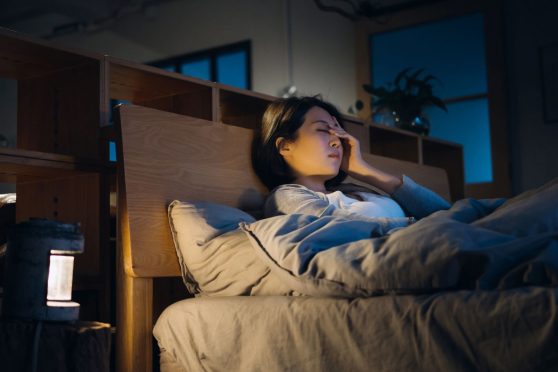

Most of us are guilty of wishing for more sleep. But what happens when you finally get it — and still wake up groggy? Can you actually sleep too much?
The short answer is yes, you can. And according to Ari Namon, MD, an otolaryngologist-head and neck surgeon at Charlotte Hungerford Hospital, getting more isn’t always better. In fact, too much of it can sometimes signal that something else is going on.
Here’s what to know about oversleeping, and when it might be time to pay closer attention.
Connect with a sleep disorders specialist
How much sleep should you be getting?
Eight hours may be the gold standard, but the ideal amount varies by person. Most adults need between seven and nine hours each night to feel rested and function well.
“Your body does best when you’re consistent with your schedule,” says Dr. Namon. “If you’re regularly sleeping more than nine or ten hours and still feel tired, that’s usually a sign something else is affecting your sleep quality.”
A good night’s sleep should leave you feeling restored, not desperate for a nap before lunch.
> Related: How Much Time Should I Nap For?
Oversleeping can mess with your body clock
Too little sleep can throw off your rhythm, but so can too much.
“Your circadian rhythm, your body’s internal clock, relies on consistency,” says Dr. Namon. “When you regularly sleep longer than your body needs, it can actually make you feel more sluggish and disoriented.”
If you find yourself sleeping in often, try setting a consistent wake-up time, even on weekends. A little structure can go a long way toward helping your body recalibrate.
> Related: Can You Take Vitamin D as a Sleep Aid?
The link between sleep and mental health
Waking up after 10 or 11 hours of sleep might sound restorative, but it can actually leave you feeling off, especially mentally. That’s because sleep and mental health are closely connected.
“Sleep and mental health are connected,” says Dr. Namon. “When you’re oversleeping, it may not just be fatigue, it could be your body’s way of responding to emotional stress or an underlying mental health concern.”
If your extra sleep is paired with low motivation or mood changes, check in with your doctor. It might be a sign that your mind needs attention, not your body.
Want a Weekly Dose of Health News?
It might be your sleep quality, not quantity
You might be spending enough time in bed, but is it actually restful?
“If you’re waking up frequently, snoring heavily or experiencing sleep disorders like sleep apnea, your body may not be getting the deep, restorative stages of sleep it needs,” says Dr. Namon. “That can make you feel like you need more, even when you’re getting enough.”
In that case, more isn’t the answer — better sleep is. If you’re consistently waking up tired, a sleep study can help uncover what’s really going on.
> Related: Can These 3 Supplements Really Improve Your Sleep?
Health conditions can cause oversleeping
While everyone occasionally sleeps in, chronic oversleeping — needing 10, 11 or more hours regularly — can be linked to underlying health issues.
“Conditions like thyroid disorders, anemia or sleep apnea can all lead to excessive fatigue and longer sleep durations,” says Dr. Namon. “It’s important to rule those out if you notice a pattern.”
If you’re sleeping too much and still waking up tired, it’s worth bringing up at your next appointment.
> Related: 4 Surprising Signs of Sleep Apnea
Napping can hurt more than it helps
A quick nap can do wonders, but longer naps can actually ruin your sleep at night.
“Napping too close to bedtime or for more than 20 minutes can make it harder to fall asleep later,” says Dr. Namon. “It can also reduce your sleep drive, which means you’ll feel less tired when you should be winding down.”
If you need to nap, keep it short (think 20 minutes or less) and aim for midday, not late afternoon. You’ll get the energy boost without sabotaging your night.