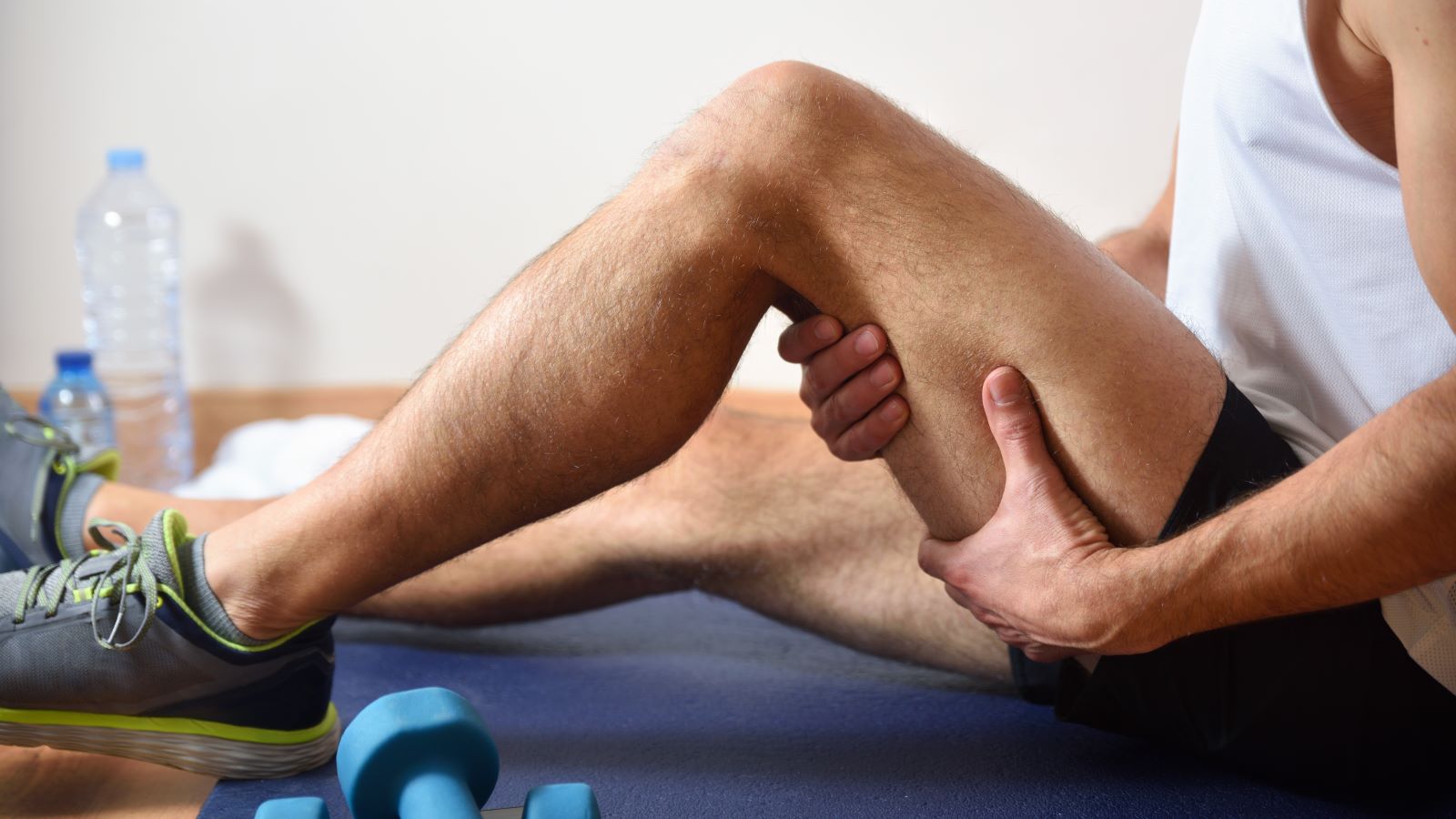

Maybe you went too hard at the gym or made a sudden movement your body wasn’t ready for — and now, you’re feeling it.
A pulled muscle can stop you in your tracks. But with the right care, most muscle strains heal well.
“A muscle strain means the muscle’s been stretched too far or even partially torn,” says Patrick Garvin, DO, a sports medicine specialist with the Bone & Joint Institute at Hartford Hospital. “Sometimes it’s just a few fibers, and other times it can be a full tear. We typically grade them as mild, moderate or severe – and that helps guide how long recovery might take. This can vary based on the muscle and location, and in severe cases can require more aggressive treatment.”
Before you grab an ice pack, here’s what you need to know.
What a pulled muscle really means
A pulled muscle is more than everyday soreness.
The amount of damage can look very different from person to person, and it plays a big role in what recovery looks like.
“We typically grade them as mild, moderate or severe – and that helps guide how long recovery might take. This can vary based on the muscle and location, and in severe cases can require more aggressive treatment,” says Dr. Garvin.
5 ways to heal after a pulled muscle
1. Rest and protect the muscle
Your muscle needs a minute after an injury.
“Giving the muscle time to settle down early helps prevent further damage,” says Dr. Garvin. “If you try to push through pain, you could make the strain worse – and delay your recovery.”
That doesn’t mean setting up shop on the couch, though.
“You can still move – just avoid anything that hurts or puts stress on the area,” he says. “My best advice is to let pain and common sense guide you.”
If a position, exercise or activity causes significant pain during the healing phase, it’s best to avoid that.
“But it’s also key to keep gentle motion and movement going during recovery,” Dr. Garvin adds. “Activities like walking and gentle, pain-free stretching are very important.”
> Related: How Much Protein Do I Need to Build Muscle?
2. Control pain and swelling
It’s normal to feel sore, stiff or swollen (sometimes even bruised) for a few days after a muscle strain.
“You might also get muscle spasms or notice pain around the injured area when you move,” says Dr. Garvin. “The first goal is to settle that inflammation early.”
Try this:
- Ice the area for 15–20 minutes a few times a day.
- Use a compression wrap if recommended.
- Elevate the injury whenever possible.
- Take over-the-counter anti-inflammatory meds – if your provider gives the thumbs up and there are no other medical contraindications, such as blood thinner usage, stomach or kidney issues, etc.
Want a Weekly Dose of Health News?
3. Return to gentle movement
As the pain fades, it’s tempting to dive back into your routine.
“Go slow and ease back into your activities,” says Dr. Garvin. “Too much, too soon can set you back.”
Start with light stretching or simple range-of-motion exercises. A little soreness is fine, but stop if you feel sharp or increasing pain. Again, let pain and common sense be your guide.
> Related: 4 Stretches for Tight Hip Muscles
4. Rebuild strength gradually
Once you’re moving comfortably, it’s time to start building things back up.
“Strengthening helps prepare the muscle for everyday activity again and lowers the risk of re-injury,” says Dr. Garvin.
Keep it simple with light resistance, balance and flexibility exercises. More repetition with light weights is best. If you’re working toward a specific goal – or just want extra support – physical therapy can help.
> Related: 7 Easy Ways to Sneak in Exercise Without Going to the Gym
5. Know when to see a doctor
Most mild muscle strains heal with rest, movement and time. But some injuries need a closer look.
Call your provider if you notice:
- A popping sound when it happened.
- A visible bulge or dent in the muscle.
- Intense pain or swelling.
- Trouble using the affected muscle or joint normally.
- Lasting weakness or symptoms that aren’t improving after a few weeks.
- Inability to bear weight or lift the affected extremity.
“Untreated severe muscle strains can lead to long-term pain, limited movement or other complications,” says Dr. Garvin. “If something doesn’t feel right, it’s always safe to get checked out sooner than later.”