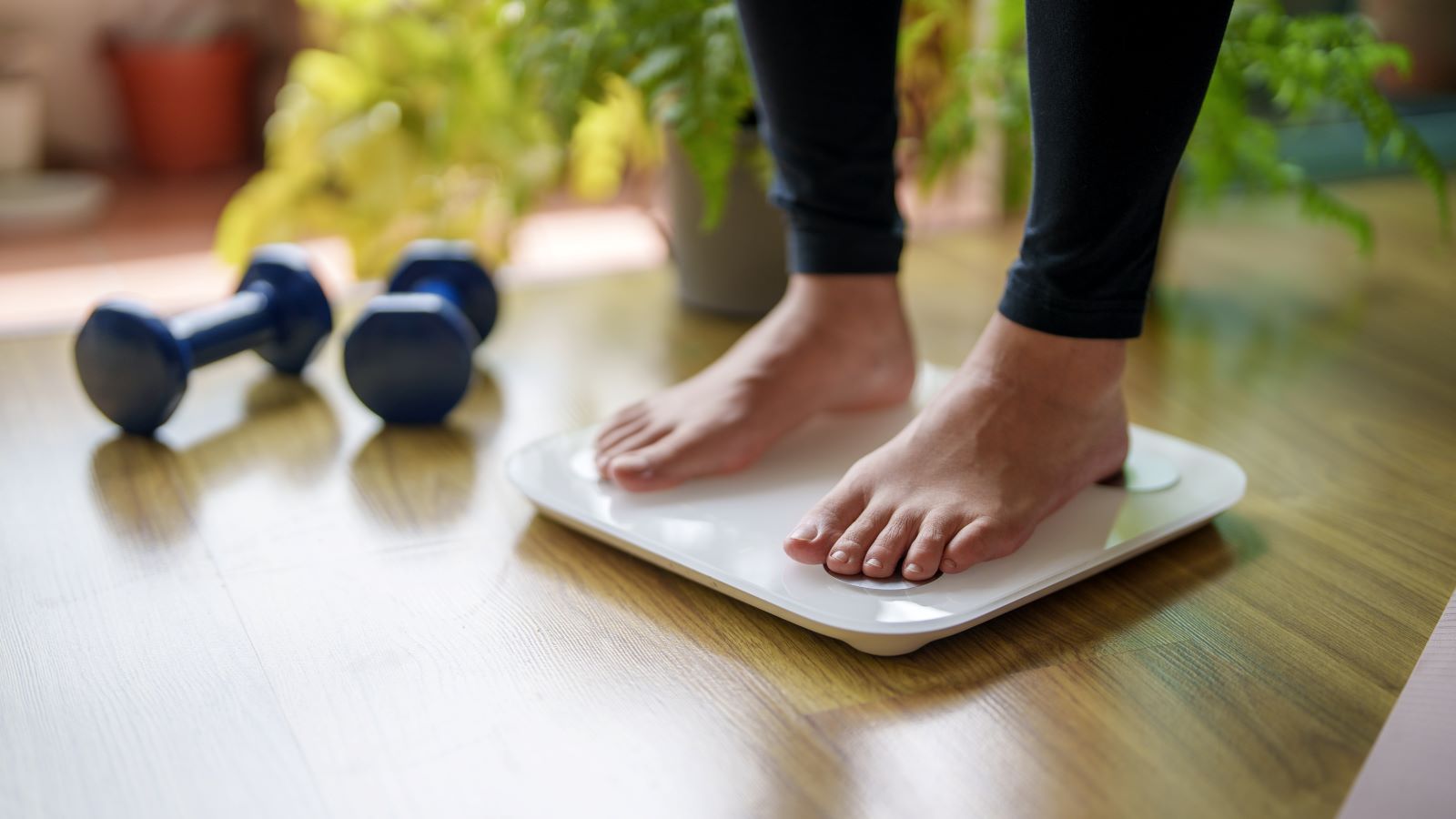

When January rolls around, it seems like everyone is promising themselves a brand new body in 31 days.
From social media challenges to crash diets that swear you’ll drop 20 pounds fast, it can be hard to stay grounded. But before you jump into a weight loss plan, we asked an expert how much weight is realistic to lose in one month.
“The truth is, there’s no magic number that works for everyone,” says Devika Umashanker, MD, medical director of medical weight loss at Hartford HealthCare. “Healthy, sustainable weight loss is usually one to two pounds per week. But what matters even more is improving your metabolic health, not watching the scale.”
So if you’re setting goals for the new year, here’s what an expert says about how much weight you can lose in a month and why slower progress often leads to better results.
A healthy range of weight loss is probably less than you think
Losing four to eight pounds in one month can be considered safe, but that’s it. And according to Dr. Umashanker, that range isn’t only safe, it’s also effective.
“When weight loss is too fast, you’re more susceptible to muscle loss,” she cautions. “Slow and steady changes support long-term metabolic improvements.”
But extreme dieting has the opposite effect. It can slow your metabolism, increase hunger hormones and make weight regain more likely in the long term.
> Related: 5 Common Triggers for Overeating — and How to Avoid Them
The scale doesn’t tell the whole story
Typically, the weight loss journey starts with exercise. But if you’re just getting into working out, you might see the scale going up before it goes down.
“You may be losing fat and gaining muscle at the same time,” says Dr. Umashanker. “This improves your health but doesn’t always show up on the scale immediately.”
There are a few other signs that might be more reliable:
- Your clothes fit differently
- Your energy improves
- Your blood pressure and glucose numbers trend down
- You sleep better
- You feel stronger
“These are more meaningful changes, and they don’t depend on weight,” she says.
> Related: What to Do When Diet and Exercise Aren’t Helping You Lose Weight
Focus on habits, not numbers
Instead of aiming for a specific number, try taking daily steps that support long term health.
“Nutrition quality, physical activity, hydration and sleep have a far bigger impact than hitting a certain weight by a certain date,” says Dr. Umashanker.
Her advice:
- Prioritize lean proteins and fiber
- Choose whole foods most of the time
- Move daily, even if it’s light activity
- Get consistent sleep
- Drink enough water
“These habits improve metabolic health long before you see weight changes,” she adds.
Want a Weekly Dose of Health News?
Don’t underestimate the mental side of weight loss
Rigid goals usually backfire. If the scale doesn’t drop quickly, it’s easy to feel discouraged and abandon healthy habits altogether.
“Weight loss is not linear,” Dr. Umashanker says. “Your body fluctuates day to day. Understanding that helps you stay consistent rather than reactive.”
Reducing pressure and celebrating small wins keeps motivation high.
> Related: 4 Lesser-Known Causes of Weight Gain
Set goals that support your health
Instead of making weight loss your entire identity for January, shift your goals toward overall health gains.
“Ask yourself how you want to feel, instead of what you want to weigh,” Dr. Umashanker says. “Better energy, improved mobility and reduced cravings are hopefully more powerful motivators.”
And if you do want help with weight management, she emphasizes the importance of individualized care.
“People have different metabolism, hormones and medical histories. A personalized plan is always better than a one-size-fits-all diet,” she notes.
> Related: Top 3 Physical Activity Goals for Weight Loss
A healthier year starts with sustainable steps
Weight loss can be part of a new year’s plan, but it doesn’t need to be extreme to be effective. Consistency beats intensity every time.
“When people take a balanced, realistic approach, they see changes that last,” Dr. Umashanker says. “That’s what supports your health overall.”
So if you’re planning to start fresh this January, aim for progress, not perfection. You won’t regret it.