
You might walk into your weight loss appointment knowing which medication you want.
Maybe a friend had great results, or you keep seeing certain medications in commercials and on social media.
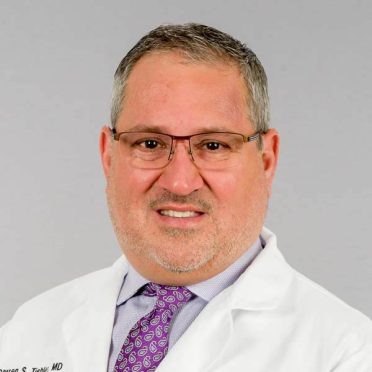
“It’s understandable to ask about a specific medication or GLP-1 after seeing a friend or someone on TV have great results,” says Darren Tishler, MD, chief of metabolic and bariatric surgery at Hartford HealthCare. “But that doesn’t mean it will work the same way for you. We need to look at your health and determine what’s safest and most likely to help.”
So how does your doctor find the right option for you? Here are seven things they’ll consider as you make the decision together.
1. Your overall health
The weight loss conversation doesn’t begin with a brand name.
“It starts with understanding your weight, your health and what might be making weight loss difficult for you,” says Dr. Tishler. “Obesity is a disease, and treating it often takes a combination of approaches. Medication can be one part of that plan.”
To get the full picture, your doctor may ask about:
- Diabetes, high blood pressure, high cholesterol, heart disease, anxiety or depression.
- Hunger, food cravings or difficulty losing weight despite your efforts.
- A family history of diabetes, high blood pressure or high cholesterol.
“Sometimes medication may not be the appropriate treatment, and we may decide bariatric surgery is the better place to start,” he adds.
> Related: Can Bariatric Surgery Prevent Heart Attacks?
2. Your current exercise levels and diet
Before suggesting medication, your doctor will want to know more about your life.
“Everything starts with healthy eating and exercise,” says Dr. Tishler. “We want to make sure you’re getting adequate aerobic activity, somewhere between 30 and 60 minutes per day of moderate-to-vigorous exercise, at least five days a week.”
Your care team might also use technology, programs or AI tools to better understand your eating habits and see where you might need more support.
“Many people feel like they already know everything about eating because they’ve tried plans before,” says Dr. Tishler. “But there’s always something new for all of us to learn about diet and exercise.”
> Related: The Nutrition Mistakes You Didn’t Know You Were Making
3. What’s safest for you
With any new medication, the most important factor is how safe it is for you to take.
“The most important thing we do is make sure any treatment is safe for you,” says Dr. Tishler. “Certain medications may not be appropriate if you have a history of kidney stones, a seizure disorder, high blood pressure or heart disease.”
And if the medication you had in mind isn’t the right fit, your doctor will help you work through all your options.
“If a medication won’t be safe or effective for you, then it isn’t the solution,” he answers. “We’ll look at other options that can safely help you work toward your goals.”
Want a Weekly Dose of Health News?
4. Which side effects and routines you can manage
Every weight loss medication has potential side effects, so finding one that fits your lifestyle is important.
“Some weight loss medications can cause issues that may sound simple, like constipation or nausea,” says Dr. Tishler. “But some people don’t tolerate that very well.”
Your doctor may ask you to consider:
- How comfortable you are with possible side effects.
- Whether you prefer a pill or an injection.
- Whether you can follow specific instructions about when to take an oral medication.
“We want this medication to work for you now and down the road, so we’ll make sure it fits into your everyday routine,” he adds.
> Related: Am I Too Young for Bariatric Surgery?
5. Your insurance coverage and finances
Weight-loss medication isn’t meant to be a short-term fix.
“We have to consider that medication for the treatment of obesity is a lifelong treatment,” says Dr. Tishler. “The body wants to defend its weight, and when you stop a treatment, the weight often comes back.”
That makes cost and insurance coverage an important part of the decision.
“We want to choose a treatment that you can keep taking,” he explains. “If it’s too expensive, you won’t continue that treatment, so we need to consider that from the start.”
> Related: Am I Too Old for Bariatric Surgery?
6. How your body responds
A medication may look like the right fit on paper, but the real test comes after you start taking it.
“We’ll choose a medication that we think, based on all your other health factors, is going to be effective,” says Dr. Tishler. “But this is a process, and we may need to adapt the treatment plan based on how you respond.”
Your care team will look at:
- How much weight you lose.
- Whether your overall health improves.
- How well you tolerate any side effects.
- Whether the benefits are strong enough to continue the medication.
“Losing about 5% to 10% of your starting weight can show us that the medication is working,” he adds. “But success isn’t just about the number on the scale. We’ll also look at whether your health is improving.”
> Related: How Weight Loss Can Help Your Sleep Apnea
7. Whether medication is enough
Medication can be a powerful tool, but it can’t do all the work for you.
“Weight loss is hard work,” says Dr. Tishler. “We have treatments today that are very effective, whether it’s medications or surgery. But we have to do the right work to make those treatments work for us.”
GLP-1 medications can reduce hunger and food cravings, but they don’t work as well without healthy eating and regular exercise. For some people, bariatric surgery may be the better place to start or another part of the plan.
“It’s not about choosing medication or surgery or exercise or healthy eating,” he adds. “In many cases, it’s about using all four together.”
You’re at the center of the weight loss medication decision
Your doctor will explain your options, recommend treatments and help you understand what each choice involves. You’ll bring your own goals, concerns and preferences to the conversation.
Together, you and your doctor can choose a treatment plan that supports your health and feels realistic for you to continue. That may include medication, bariatric surgery, healthy eating, exercise or a combination of approaches.
“We’re more excited than ever before about treating obesity because we have more tools today than we’ve ever had before,” says Dr. Tishler. “By working together and finding the right combination of treatments, we can help people go beyond the expectations we had even two or three years ago and live fuller, healthier lives.”