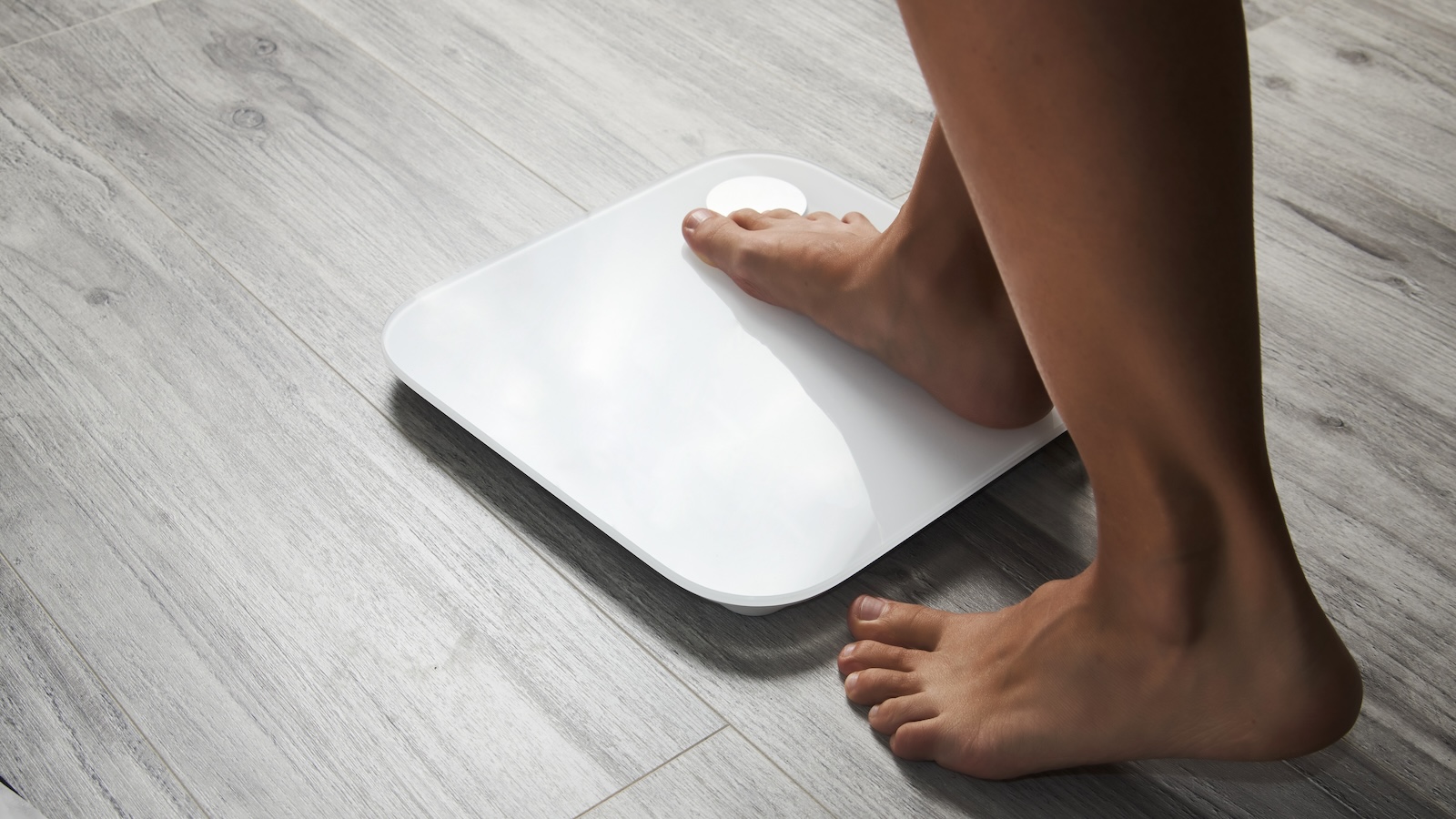
When you first start trying to lose weight, the early results can be motivating. The number on the scale drops and you can see all your hard work paying off.
Then, suddenly, the scale stops moving.
It can be frustrating, especially when you haven’t changed what you’re doing. But a weight loss plateau is a normal part of the process, and your biology plays a big role.
“There’s nothing natural about losing weight, and it’s a process that’s very foreign to the body,” says Darren Tishler, MD, chief of Metabolic and Bariatric Surgery at Hartford HealthCare. “Your body wants to prevent it.”
So when your body starts pushing back, how do you get the scale moving again? Here are eight ways to work through a weight loss plateau.
1. Don’t blame yourself
If it feels like your weight loss plan suddenly stopped working, it’s hard not to feel frustrated. But a plateau doesn’t necessarily mean you’ve done something wrong.
“The first couple of days or weeks, we all think it’s really easy and that we could keep losing weight forever,” says Dr. Tishler. “But at some point, it gets harder and the weight loss slows down.”
That slowdown is actually your body’s normal reaction to weight loss.
“Plateaus happen because the body wants to defend itself against losing weight,” he adds. “It’s not necessarily because you’re doing something wrong.”
> Related: Am I Too Young for Bariatric Surgery?
2. Add another tool to your plan
A plateau sometimes means that your current approach to weight loss has taken you as far as it can on its own.
“That’s why a single treatment for weight loss often doesn’t work,” says Dr. Tishler. “You may need additional tools to continue losing weight or maintain the weight you’ve already lost.”
Depending on your health, you might need to try:
- Adjusting your nutrition.
- Adding resistance training.
- Starting or changing medication.
- Working with a weight management specialist.
- Considering bariatric surgery.
“We’re not surprised when weight loss slows down, stops or even when weight comes back,” he explains. “We expect it, and then we look at the available tools we have to keep someone’s health moving in the right direction.”
> Related: Can Bariatric Surgery Prevent Heart Attacks?
3. Look at what’s on your plate
When you hit a weight loss plateau, eating less may seem like the obvious next step. But cutting your food intake can backfire.
“That may work today, but tomorrow it probably won’t work quite as well because you’re going to get really hungry,” says Dr. Tishler. “It’s like holding your breath. You can try hard to do it, but at some point, you’re going to take that breath.”
Instead of focusing only on quantity, take a closer look at what you’re eating. Do your meals have enough protein, fiber and healthy fats to keep you full? And are you eating foods that actually satisfy you?
“The composition is often more important than the portions,” he says. “We want to eat mindfully with a balanced diet instead of assuming the answer is always to eat less.”
> Related: The 9 Foods Nutritionists Always Have in Their Grocery Carts
4. Make protein a priority, not the whole meal
When you lose weight, the goal isn’t just to see a smaller number on the scale. You also want to protect the muscle your body needs for strength and everyday movement.
“We want to lose fat mass, not muscle,” says Dr. Tishler. “That’s why we want you to boost your protein to help protect that lean body mass.”
Good whole-food sources of protein include:
- Eggs
- Fish
- Chicken or turkey
- Lean meat
- Beans
- Tofu
A protein shake can also help fill in the gaps when you’re short on time or struggling to get enough through meals.
But there’s no need to turn every meal into a plate of protein.
“Protein is absolutely important, but it’s only one part of a balanced eating plan,” he explains. “Your body needs healthy carbohydrates and fats, too.”
Want a Weekly Dose of Health News?
5. Use exercise to protect your muscle
Exercise might not always cause a dramatic change on the scale, but that doesn’t mean it isn’t working.
“When we’re losing weight, we don’t want to lose muscle along with the fat,” says Dr. Tishler. “The only way to preserve that muscle is to use it and put some resistance on it. It needs to be more than just a little light exercise.”
Add resistance to your routine by:
- Lifting weights.
- Using weight machines.
- Exercising with resistance bands.
- Using your own body weight.
Cardio, like walking, running or biking, still matters for your heart and overall health. But if preserving muscle is the goal, resistance training deserves a place in your routine.
“It’s hard to lose weight through just exercise,” he adds. “Instead, we often need to combine it with dietary changes or other obesity treatments to get effective results.”
> Related: Diet vs. Exercise: What Matters More for Your Health?
6. Take sleep and stress seriously
If you feel like you’re doing everything right, but your weight still feels stuck, it might be worth looking beyond food and exercise.
Poor sleep and chronic stress can both affect the hormones involved in appetite and weight regulation.
“Cortisol is one of the body’s main stress hormones,” explains Dr. Tishler. “Whether it’s constant stress or too little sleep, the body interprets these as danger. Those stress hormones can make weight management harder.”
And sleep quality matters just as much as the number of hours you spend in bed. Sleep apnea, for example, can repeatedly interrupt your sleep without you even realizing it.
“Many people who are overweight also have sleep apnea,” he adds. “You can spend plenty of hours in bed but still miss out on the deep, restful sleep your body needs. If that’s not happening, we can help.”
> Related: You’re Sleeping Wrong: 5 Habits That Actually Help You Rest
7. Look beyond the scale
The scale tells you how much weight you’ve lost, but it can’t tell you whether that weight came from fat, muscle or both.
“People often get excited about a large number of pounds lost until we look at their body composition and realize most of it was muscle,” says Dr. Tishler. “Our goal is to help you get stronger over time.”
Look for other signs that your health is moving in the right direction:
- Feeling better throughout the day
- Moving more easily
- Building strength or stamina
- Noticing your clothes fit differently
- Improving your blood pressure, blood sugar or cholesterol
“People often ask us what their goal weight should be, but there isn’t one perfect number that defines success,” he says. “What matters is whether you feel better, move better and become healthier.”
> Related: Am I Too Old for Bariatric Surgery?
When to see a doctor
When the scale has been stuck for weeks, you might be tempted to resort to a cleanse or crash diet.
But aggressive changes aren’t a long-term solution.
“If you do something drastic, you might see a little response at first,” says Dr. Tishler. “But then the body sounds the alarms and starts defending itself again. That’s why quick fixes don’t work.”
Instead of pushing harder on your own, it could be the time to get more support.
“There’s so much science behind weight loss, and the right experts can help you find the combination of treatments that works for you and helps you feel better.”