
It’s easy to brush off anxiety at first.
Maybe you cut back on caffeine, try to get more sleep or tell yourself it’s just a stressful few weeks. But when worry starts showing up every day and affecting how you feel, sleep or function, powering through may no longer be enough.
That’s when it may be time to try a different approach.
“Anxiety is a normal human response to stress, but it becomes a concern when it’s persistent, overwhelming or interfering with daily life,” says Ila Sabino, PhD, psychologist and program manager of the Division of Health Psychology at the Institute of Living. “When anxiety starts affecting sleep, work, relationships or physical health, it may be time to talk about additional treatment options.”
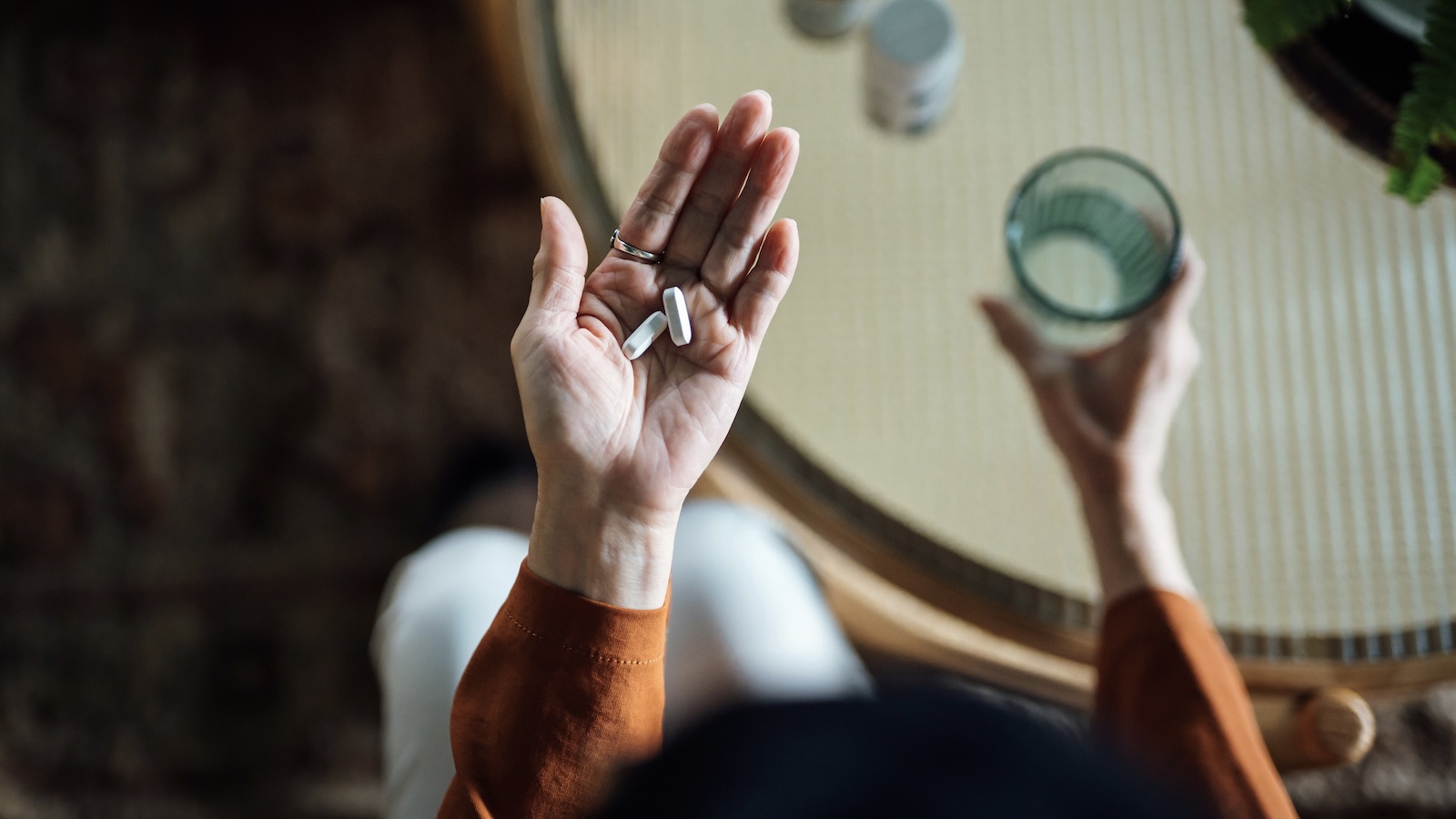
For some, medication might be a treatment option worth considering.
“Medication is not a sign of weakness, and it’s important to know that anxiety is treatable,” Dr. Sabino adds. “For some people, medication can be a great tool to help quiet symptoms enough to participate in therapy, rebuild routines or start feeling more in control again.”
Here are some signs it may be time to start that conversation.
Virtual care - when and where you need it
1. Anxiety is affecting your daily life
Sure, we all worry or get overwhelmed from time to time. But anxiety can start to make your everyday life feel small.
Maybe you avoid driving on highways or skip social events. Maybe you call out of work because your body feels like it’s in fight-or-flight mode before the day even starts.
“One of the biggest signs that anxiety needs treatment is avoidance,” says Dr. Sabino. “If you’re noticing that you’ve started to change your life because of anxiety, that’s a sign that symptoms are becoming more than just a little stress.”
And if anxiety is consistently making it difficult to function or do the things you love, it might be time to consider medication.
“If anxiety is keeping you from doing things that matter to you, it’s worth asking for help,” Dr. Sabino adds. “Treatment should help you re-engage with your life, not just tolerate symptoms.”
> Related: Feeling Stuck? Here’s When to Consider Therapy
2. You always feel on edge
Anxiety doesn’t always stay in your thoughts.
Sometimes it shows up as a racing heart, tight chest, stomach pain, sweating, trembling, dizziness or muscle tension. And when those symptoms happen often, it can be exhausting.
“Anxiety can be physical,” says Dr. Sabino. “Many people come in worried something is wrong with their heart, stomach or breathing before realizing anxiety may be playing a major role.”
And that doesn’t mean you should brush off physical symptoms as “just in your head.”
“We always want to make sure symptoms are evaluated appropriately,” Dr. Sabino adds. “But if anxiety is repeatedly triggering physical distress, medication may help improve that heightened state.”
> Related: How to Start Habit Stacking to Build a Healthier You
3. Therapy and lifestyle changes aren’t enough
From deep breathing to exercising, there are a lot of lifestyle changes that can help with anxiety. But sometimes, even when you’re doing everything right, anxiety can still overpower your coping skills.
“Lifestyle changes are valuable, but they aren’t always enough on their own,” says Dr. Sabino. “For moderate to severe anxiety, medication may help address the biological side of symptoms.”
The key isn’t to replace healthy habits, it’s about giving them the best chance to succeed.
> Related: 5 Signs It’s Time to Talk to Your Doctor About Anxiety
4. Anxiety is hurting your sleep
Anxiety often gets loudest the second your head hits the pillow. You replay conversations, worry about tomorrow and suddenly it’s 2 a.m. and your mind won’t stop racing.
“Sleep and anxiety are closely connected,” says Dr. Sabino. “Anxiety can make it difficult to fall asleep or stay asleep, and poor sleep can make anxiety symptoms worse the next day.”
Once you’re in that cycle, it can be hard to break.
“Improving sleep is important, because it can make therapy and other coping strategies more effective.”
Want a Weekly Dose of Health News?
5. Your thoughts won’t turn off
Anxiety often feels like your mind has too many tabs open, and you can’t seem to close them.
“Excessive worry is one of the most common symptoms of anxiety disorders,” says Dr. Sabino. “But the issue isn’t just worrying. It’s when the worry becomes persistent, intrusive and difficult to control.”
Medication can help reduce the intensity of racing thoughts for some people.
“The goal is not to eliminate normal concern or emotion,” Dr. Sabino adds. “The goal is to help you feel less consumed by anxiety so you can think more clearly and function more comfortably.”
> Related: What a 15 Minute Walk Outside Actually Does to Your Brain
6. Anxiety is making you irritable or withdrawn
Anxiety doesn’t always show up as nervousness or discomfort. It might look more like snapping at people you love or canceling plans at the last minute.
“When you’re anxious for long periods of time, your emotional bandwidth becomes limited,” says Dr. Sabino. “You may become irritable, withdrawn or less able to tolerate everyday stress.”
And that can start to affect relationships.
“You might feel guilty, especially if you know you aren’t acting like yourself,” says Dr. Sabino. “Getting the right treatment can help reduce the pressure that anxiety creates, and improve your relationships and overall quality of life.”
> Related: 5 Warning Signs Your Body Is Under Too Much Stress
It all starts with a conversation
Whether your best approach is medication, therapy or just some simple coping mechanisms, the first step is a conversation.
A primary care provider, psychiatrist or mental health professional can help determine what treatment plan makes the most sense for you.
“Anxiety is treatable,” says Dr. Sabino. “You don’t have to wait until anxiety controls your life before reaching out.”
Still not convinced?
“You wouldn’t worry about going to get glasses if your vision needed help,” says Dr. Sabino. “Mental health treatment should be viewed the same way.”