
Weeknights have a way of defeating even the best intentions. You start Monday with refreshed motivation, and by Wednesday, you’re staring into the fridge wondering how takeout became the only option.
Usually, the culprit isn’t willpower. It’s preparation. And one simple Sunday reset can make meals for the entire week feel manageable instead of chaotic.
“Unhealthy eating rarely comes down to a lack of knowledge or effort,” says Hayley Merrill, PA-C, a physician assistant with Hartford HealthCare Medical Group. “It’s much more likely to be a lack of time or energy. When you get ahead of those obstacles before the week begins, making healthy choices becomes a breeze.”
Here’s the Sunday reset routine that might just make all your meal planning dreams come true.
1. Take inventory before you shop
It doesn’t get worse than returning from the grocery store with brand new ingredients, just to find them all sitting in your fridge already. Checking what you have on hand before you shop won’t just save you money, it can also give you a direction for your weekly meal plan.
“Starting with a quick inventory allows you to build meals around ingredients you already have,” Merrill says. “Meal planning gets a lot less overwhelming when you aren’t starting from nothing.”
It also helps you identify gaps in your diet.
“Is there anything you’re consistently short on? Whether it’s protein, vegetables, or healthy snacks, that awareness can help you start shopping with more intention.”
Try making a short list of what’s missing and building your meals out from there.
> Related: Make Your Grocery Trip Instantly Healthier With These 5 Swaps
2. Prep just two or three components
Meal prepping doesn’t mean you have to cook five meals a week ahead of time. In fact, you probably shouldn’t.
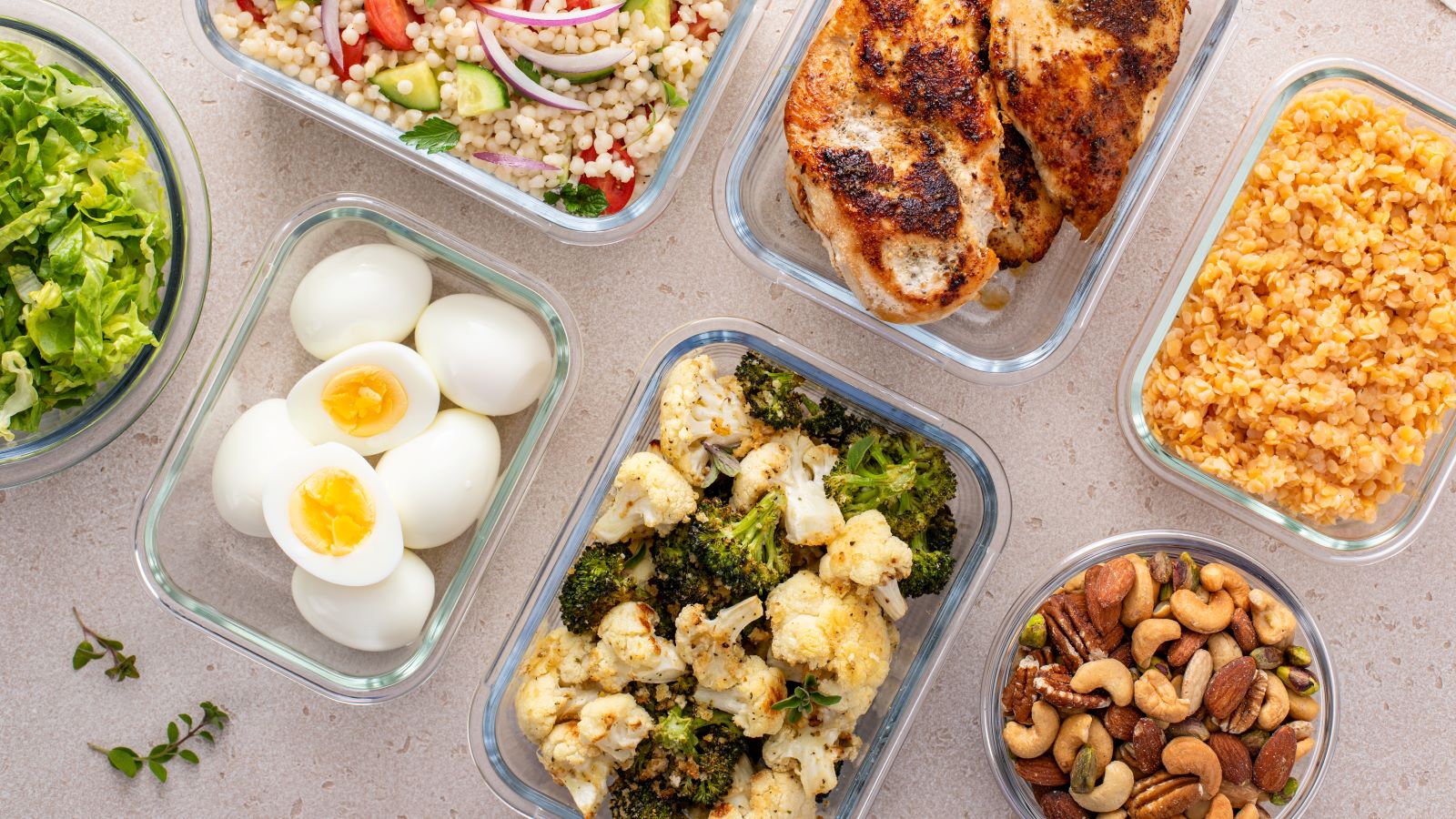
“Preparing a few versatile building blocks like grilled chicken, roasted vegetables or cooked grains gives you flexibility,” Merrill says. “You can mix and match those components throughout the week without feeling like you’re eating the same meal over and over.”
That doesn’t just save you time up front, it also saves your food from feeling stale or repetitive.
“When meal prep feels like too much effort, it’s easy to abandon it,” Merrill cautions. “But prepping just enough to reduce daily stress strikes a balance between convenience and sustainability.”
Cook one protein, one grain and one vegetable on Sunday and let them carry you through the rest of the week.
> Related: What Nutritionists Eat When They Don’t Feel Like Cooking
3. Keep your produce where you can see it
When vegetables get hidden in a fridge drawer, it’s easy to forget about them until it’s too late.
“When fruits and vegetables are washed, cut and ready to grab, you’re much more likely to eat them throughout the week,” Merrill says. “Don’t underestimate the power of convenience.”
It also makes throwing a quick meal together easier.
“If your vegetables are already prepped, adding them to eggs, salads or wraps takes minutes,” Merrill adds. “Suddenly you don’t have to get out a knife and cutting board, so you’re saving on time and dishes.”
Store chopped vegetables in clear containers and keep them at eye level in your fridge.
Want a Weekly Dose of Health News?
4. Plan for snacks, too
On Sunday, it’s easy to think you’ve prepped plenty of food and you won’t be reaching for snacks later in the week. But by Tuesday, you might be searching your cabinets for that emergency bag of chips you hid away.
“Balanced snacks help stabilize blood sugar and prevent overeating later,” Merrill notes. “Pairing protein with fiber, like apple slices with peanut butter or Greek yogurt with berries, helps you feel satisfied longer.”
Skipping this step might sound harmless, but it can set you up for disaster.
“When people ignore snacks, they often arrive at meals overly hungry, which makes portion control harder,” Merrill says. “Or they’ve feasted on nachos or chicken nuggets before they even make it to the meal. Strategic snacking helps you feel energized and satisfied throughout the day.”
Portion out a few simple options on Sunday so they’re ready when you want them. And make no mistake – you will want them.
> Related: 6 Dietitian-Approved Snacks That Taste Great Too
5. Set one realistic goal for the week
Chasing a goal – especially a goal you actually believe you might accomplish – can be a great way to gamify your health.
“Choose one specific, achievable goal for the week,” Merrill says. “That might be adding vegetables to one meal per day or cooking at home three nights instead of two.”
Write your goal down and keep it somewhere visible.
> Related: How to Reset After a Week of Takeout and Zero Motivation
6. Clear the clutter
A reset isn’t just about food, it’s about your space.
“When the fridge is a mess and you can’t find anything, it’s easy to throw your hands up and order takeout instead,” Merrill cautions. “Cleaning out expired items and organizing your fridge reduces stress and decision fatigue. Plus, if you have a clean kitchen that you’re excited to be in, you’re more likely to follow through.”
It also makes healthy options easier to spot.
“When healthier foods are front and center, you’re more likely to reach for them,” Merrill says. “Your environment influences your choices more than you think.”
Take ten minutes to reorganize your fridge before the week begins.
Keep your Sunday simple
Your Sunday reset doesn’t need to be impossible. Start small. Prep a few staples. Set one goal. And let Monday feel a little easier than it did last week.
“When you invest a little time to reset on Sunday, you buy yourself peace of mind during the week,” Merrill says.