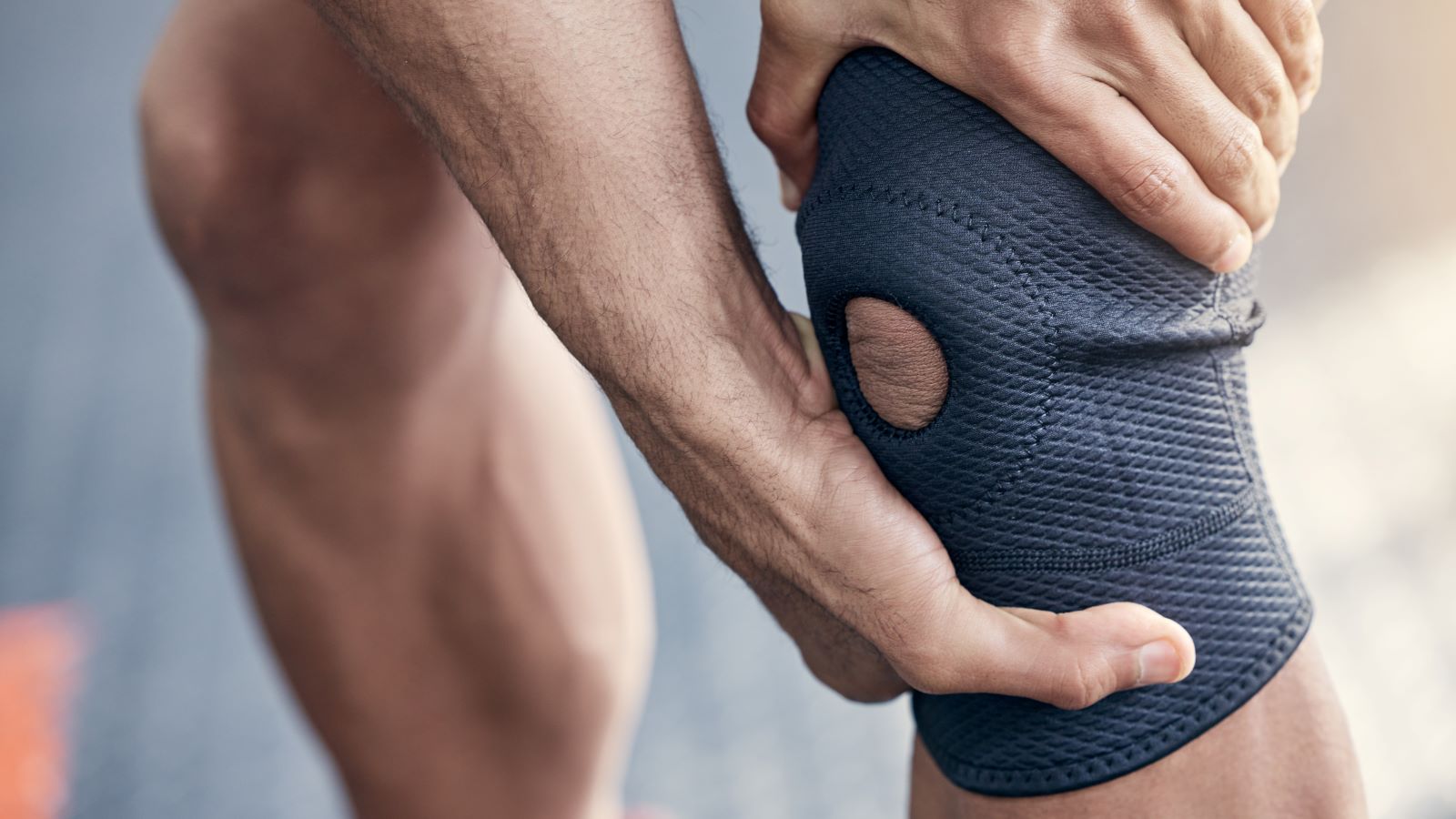

Walk into any sports store and you’ll find a wall of braces and compression sleeves, all promising to fix your joint pain. But picking the right option for your body is easier said than done.
“Patients often assume braces and sleeves are interchangeable, but they actually serve completely different purposes,” says Daniel Zuchelli, MD, orthopedic surgeon with Hartford HealthCare. “Your choice can speed up recovery — or hold it back — depending on what your body needs.”
Here’s everything you need to know to choose the best tool for your joints.
1. Support
Compression sleeves are light and flexible. They offer gentle support, but they don’t stop the joint from moving.
“A sleeve won’t prevent twisting or shifting,” Dr. Zuchelli cautions. “It’s meant to reduce swelling and provide comfort, not stability.”
Braces, on the other hand, are designed to limit motion. Depending on the style, they can restrict side to side movement, protect a healing ligament or even partially immobilize a joint.
“If instability is your main issue, like your ankle rolling or your knee giving out, a brace is usually the better choice,” he says.
> Related: Does Cupping Actually Work?
2. Movement
One of the biggest differences between the two is how they affect your range of motion.
Compression sleeves move with you, making them ideal for everyday activity, gentle workouts or long shifts on your feet.
“A sleeve won’t get in the way of your stride or natural joint mechanics,” Dr. Zuchelli says. “That’s why athletes often use sleeves for warm-ups or low-grade pain.”
Braces, especially ones with rigid side panels or hinges, purposely limit certain movements to protect injured tissue. That means they offer more security, but also more restriction.
“You shouldn’t feel locked in, but you should feel guided,” he adds.
> Related: 7 Easy Ways to Sneak in Exercise Without Going to the Gym
3. Injuries
A compression sleeve is often the first choice for mild conditions. Think overuse soreness, swelling after a long day, arthritis flare ups or early tendon irritation.
“Sleeves help with circulation, which speeds up recovery for mild injuries,” Dr. Zuchelli explains.
But more significant injuries call for more support. Ligament sprains, joint instability, tendon tears or post-surgical recovery usually require a brace.
“A brace protects the tissue as it heals,” he says. “It keeps you from accidentally repeating the movement that caused the injury.”
Want a Weekly Dose of Health News?
4. Activity level
Every movement is different, and your level of activity is key.
Sleeves are great for:
- Walking or standing for long periods
- Light exercise
- Low-impact sports
- Arthritis related stiffness
“These activities benefit from compression,” Dr. Zuchelli says. “They don’t usually require rigid support.”
Braces shine when you’re pushing your limits or asking a little more of your joints:
- Running or jumping
- Cutting or pivoting sports
- Hiking uneven terrain
- Returning to play after an injury
“If a movement puts torque or strain on the joint, a brace is safer,” he notes.
> Related: How to Heal After a Pulled Muscle
5. Comfort
Compression sleeves are generally more comfortable than braces. They’re lightweight, easy to slide on and off and rarely cause irritation when sized properly.
“A sleeve should feel snug, not tight,” Dr. Zuchelli says. “If you forget you’re wearing it, that’s the right fit.”
Braces can take more adjusting. Straps, hinges and stiff materials may feel bulky, but that’s what makes them effective.
“The key is choosing the lowest level of support that still keeps you safe,” he adds.
> Related: Do Your Ankles Hurt? These 7 Habits Could Be Why
So which should you choose?
At the end of the day, it comes down to your goals. Here’s the simplest way to think about it, according to Dr. Zuchelli:
- Choose a compression sleeve when your goal is comfort, reduced swelling or gentle support.
- Choose a brace when your goal is stability, protection or preventing re-injury.
“Neither is better across the board,” he says. “The right choice depends entirely on your symptoms and activity. When used correctly, both can be incredibly helpful.”
If you’re unsure which one your body needs, a quick evaluation can point you in the right direction — and save you from using the wrong support at the wrong time.