
Weight loss advice can be hard to dodge – cut carbs, count calories, just try harder. And the newest suggestion seems to be everywhere: give GLP-1 weight loss medications a chance.
Wondering if these might be the missing piece for your weight loss journey?
“GLP-1 medications can be a great tool for the right patient, but they’re not a magic solution,” says Mehak Gandhi, MD, with Hartford HealthCare Medical Group. “The most important step is understanding how they work, who they’re for and what realistic expectations look like.”
Here’s what to know before deciding if GLP-1s are right for you.
Here’s how they work
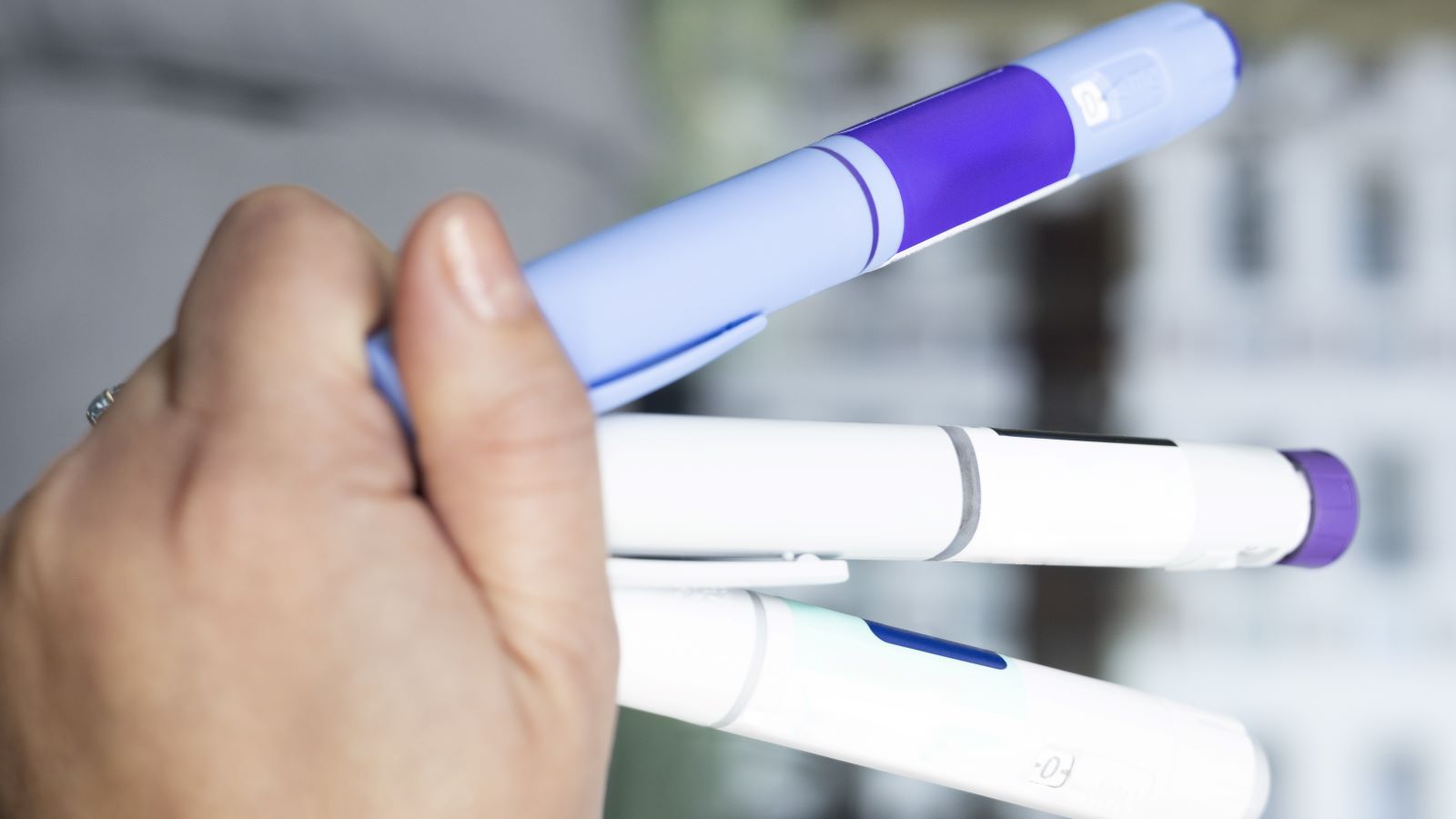
GLP-1 medications mimic a hormone your body already makes, which helps regulate blood sugar and hunger.
“These medications slow down how quickly food leaves your stomach and send signals to your brain that you’re full,” Dr. Gandhi says. “That helps you feel satisfied sooner and stay full longer.”
For many patients, that means fewer cravings, smaller portions and less constant food noise — something diet changes alone don’t always address.
“But that can lead to challenges once you stop taking the GLP-1s,” Dr. Gandhi warns. “The trials seem to show ‘rebound weight gain’ after users stop taking the medication, as they see the appetite repression wear off.”
That’s why medical supervision matter. Anyone on GLP-1s should be supported and monitored by a provider.
> Related: 4 Things to Know Before Trying GLP-1s for Weight Loss
GLP-1s aren’t for everyone
GLP-1s might sound appealing, but they aren’t for casual weight loss or short-term goals. They’re typically prescribed for people with obesity or weight related conditions.
“We consider GLP-1s when weight is affecting overall health. That might mean things like type 2 diabetes, high blood pressure, sleep apnea or joint pain,” says Dr. Gandhi.
They can be especially helpful for patients who have already made significant lifestyle changes but haven’t seen meaningful or lasting results.
“Depending on your medical history, you may not be eligible for GLP-1s at all,” Dr. Gandhi notes. “That includes conditions like thyroid cancer, pancreatitis or pregnancy, to name a few.”
Want a Weekly Dose of Health News?
It’s important to be realistic about your weight loss
Social media makes it easy to believe GLP-1s lead to dramatic, overnight transformations. The reality isn’t just slower, it’s also healthier.
“Safe, sustainable weight loss is gradual,” Dr. Gandhi says. “Your goal should be to lose weight loss slowly over the course of months, not weeks.”
And the scale doesn’t tell the whole story. As eating habits change, people often see improvements in blood sugar, cholesterol, mobility and energy before major weight changes show up.
> Related: 6 Other Conditions That Weight Loss Drugs Help With
Look out for these side effects
Like any medication, GLP-1s can come with side effects. You might experience nausea, bloating or changes in digestion, especially early on.
“These effects are usually temporary and improve as the body adjusts,” Dr. Gandhi says. “We start at a low dose and increase slowly to minimize discomfort.”
And muscle loss is another important side effect.
“GLP-1s suppress your appetite and cause you to rapidly lose weight, but not all of that weight comes from fat,” Dr. Gandhi cautions. “Some of the weight you’re losing actually comes from muscle, which can be a huge setback.”
> Related: Which Weight Loss Drug Is Right for Me?
Lifestyle changes are still key
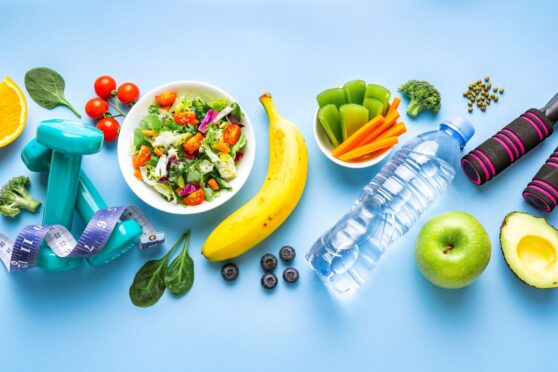
GLP-1s are meant to be part of a bigger picture, not a replacement for healthy habits.
“Obesity is a chronic disease – just like hypertension and high cholesterol. With or without GLP-1s, it will require life-long management,” says Dr. Gandhi. “The goal is always to build habits that last, even without the medication.”
Still not sure if GLP-1s are right for you?
“It should start with a conversation with your doctor,” says Dr. Gandhi. “They can help you weigh the options and take your complete medical history into account, so you’re making the best decision for your health.”