
Pollution, smoking, drinking – you already know about the obvious risk factors for cancer. But could some of the biggest offenders be sitting right inside your home?
“Many people don’t realize that everyday items can expose us to carcinogens — substances that have the potential to cause cancer,” says Andrew Salner, MD, medical director at the Hartford HealthCare Cancer Institute. “The key isn’t panic or complete avoidance — it’s awareness. When we know where these risks are, we can take simple steps to reduce them.”
Here are nine common culprits you might not expect — and how to keep them in check.
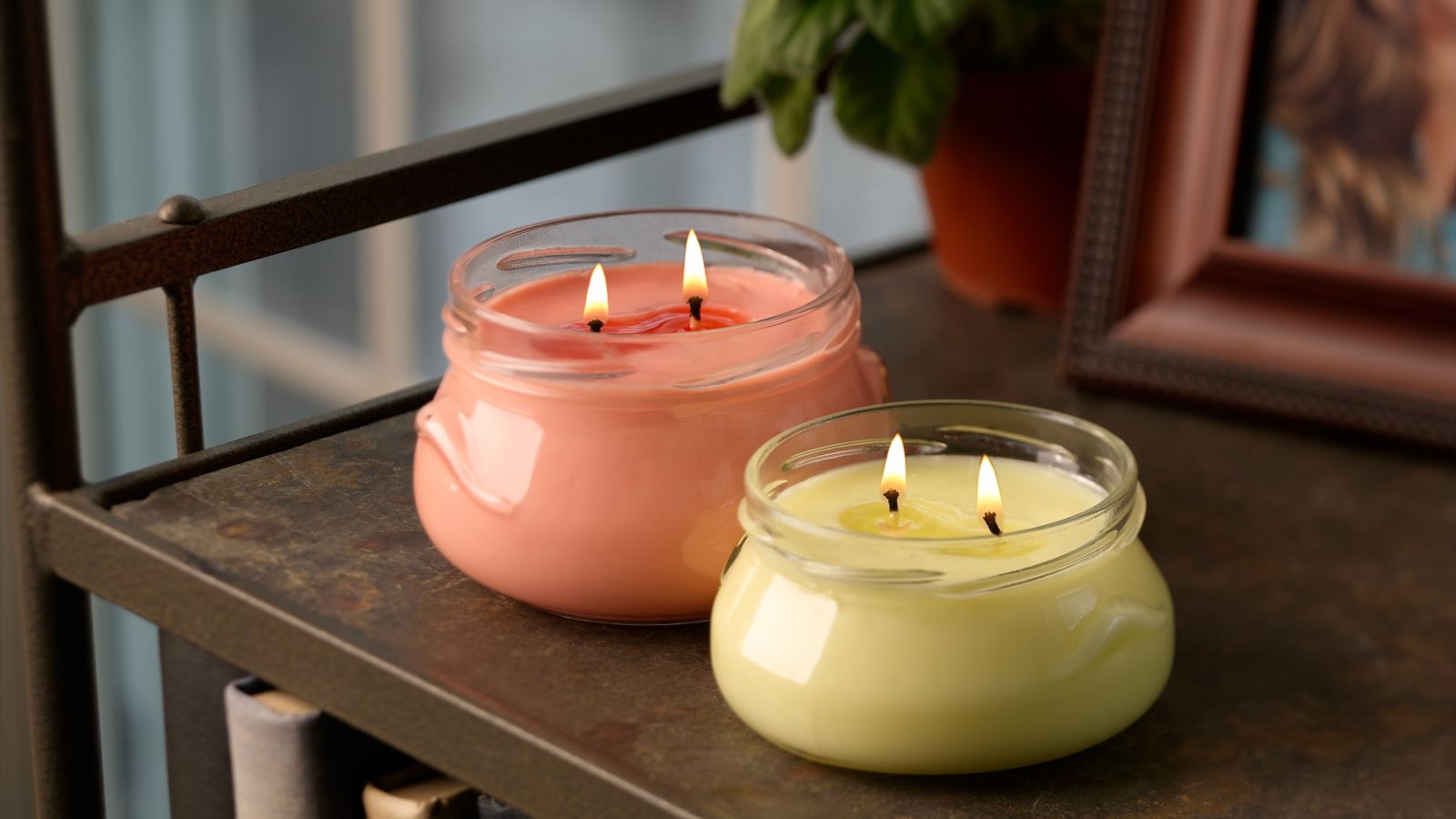
1. Scented candles and air fresheners
They may make your home feel more inviting, but some candles and plug-ins can release harmful chemicals when burned or sprayed. Many contain synthetic fragrances and paraffin wax, which can emit volatile organic compounds (VOCs) like benzene and toluene — both linked to cancer.
“People often overlook indoor air quality, but it plays a big role in long-term health,” says Dr. Salner. “Burning certain candles or using chemical sprays regularly can expose you to small amounts of carcinogens.”
Try swapping synthetic fragrances for natural alternatives — like beeswax or soy candles scented with essential oils — and open windows regularly to improve ventilation.
> Related: Do Microplastics Cause Cancer?
2. Nonstick cookware
They’re easy to clean, but your favorite pans could be putting you at risk.
Older nonstick cookware coated with perfluorinated compounds (PFAS) can release toxic fumes when overheated. These “forever chemicals” have been linked to cancer, not to mention thyroid disease and reproductive issues.
“PFAS are very persistent in the environment and the human body,” says Dr. Salner. “If your nonstick pans are scratched or several years old, it’s best to replace them.”
Instead, reach for stainless steel, cast iron or ceramic-coated options. They’re durable, safe and just as effective with a little oil and patience.
> Related: If You Drink Out of Plastic Water Bottles, Don’t Make This Mistake
3. Cleaning products
Your house might look spotless, but cleaning out carcinogens isn’t that simple.
Some household cleaners contain formaldehyde, ammonia or other harsh chemicals that can irritate airways and contribute to long-term health risks.
“Many cleaning products release fumes that can be harmful over time, especially when used in small or poorly ventilated areas,” says Dr. Salner.
Look for fragrance-free, plant-based cleaners or make your own with vinegar, baking soda and water. And always open a window or use a fan while cleaning to clear the air.
> Related: 7 Household Goods That Might Cause Cancer
4. Processed meats
It’s not just what’s in your home — it’s what’s in your fridge. Processed meats like bacon, hot dogs and deli slices contain preservatives called nitrates and nitrites, which can form carcinogenic compounds when cooked.
“Processed meats are classified as Group 1 carcinogens by the World Health Organization,” says Dr. Salner. “That means there’s clear evidence linking them to certain cancers, especially colorectal cancer.”
That doesn’t mean you have to swear off your favorite sandwiches — just limit processed meats and choose fresh, lean proteins like chicken, fish or plant-based alternatives whenever you can.
5. Mold and mildew
That discoloration on your bathroom grout or shower curtain isn’t just irritating – it’s a health risk. Long-term mold exposure can cause respiratory irritation and has been linked to cancer.
“Mold produces mycotoxins, which are harmful compounds that can affect the lungs and immune system,” says Dr. Salner. “While not every type is carcinogenic, keeping your home mold-free is an important part of creating a healthy environment.”
Fix leaks quickly, use a dehumidifier in damp areas and scrub visible mold with a mixture of vinegar and water to keep it from spreading.
Want a Weekly Dose of Health News?
6. Secondhand smoke
It’s not news that smoking is dangerous – but inhaling secondhand smoke poses its own risk.
“Secondhand smoke contains more than 70 known carcinogens,” says Dr. Salner. “There’s really no safe level of exposure, especially for children or older adults.”
Make your home a smoke-free zone, and if you use a fireplace, make sure it’s well-ventilated and regularly maintained to reduce exposure.
> Related: Does Aspartame Cause Cancer?
7. Plastics and food storage containers
Heating up leftovers in plastic containers may be convenient, but it can also release harmful chemicals like BPA and phthalates. Both of these have been linked to hormone disruption and increased cancer risk.
“When plastics are heated, they can leach chemicals into food, especially if they’re older,” says Dr. Salner.
Opt for glass containers instead, and never microwave plastic — even if the label says it’s safe.
8. Radon
You can’t see it, smell it or taste it — but radon might be one of the most dangerous things hiding in your home.
This naturally occurring radioactive gas forms when uranium in soil and rock breaks down, seeping up through the ground and into homes through cracks in foundations, joints or basement floors. In some cases, it can even enter through well water.
“Radon is one of the leading causes of lung cancer in non-smokers, and it increases the risk even further for people who do smoke,” says Dr. Salner.
The good news: testing is simple and effective. You can buy a self-test kit at most hardware stores or hire a professional to check your home. If levels are elevated, mitigation systems — like sealing cracks and improving ventilation — can safely reduce your exposure.
> Related: Does Deodorant Cause Cancer?
9. Dry-cleaning chemicals
That freshly pressed shirt might look crisp, but it could come with a hidden cost.
Many dry cleaners use perchloroethylene, a chemical solvent linked to liver, kidney and certain types of cancer. Over time, small amounts can linger on clothes or in the air inside your home.
“Perc exposure can happen when you bring dry-cleaned clothes home and hang them in a closed closet,” says Dr. Salner. “Even low levels can build up indoors if there’s not good ventilation.”
To stay safe, look for dry cleaners that advertise “wet cleaning” or “perc-free” methods, and always air out clothes outside or in a well-ventilated space before putting them away.
Simple steps can help you lower your risk
“The goal isn’t to eliminate every possible exposure,” says Dr. Salner. “It’s about being mindful and making small, practical changes that reduce risk over time.”
So light the soy candle, swap the old pans, and open a few windows. The air — and your health — will be better for it.