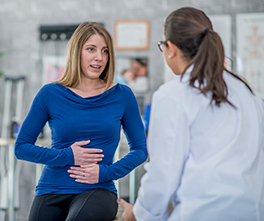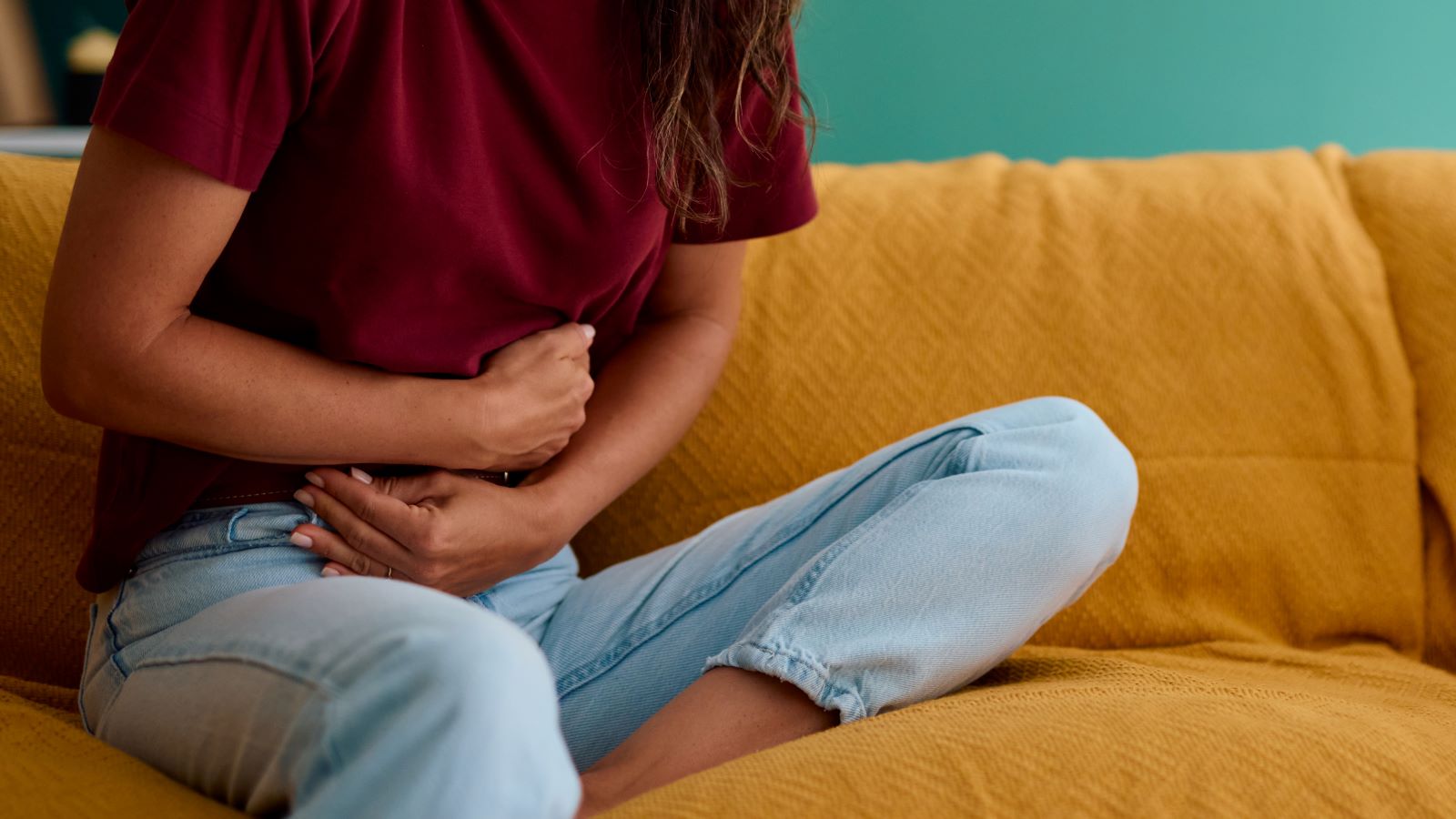

Abdominal pain is common. But if it strikes after eating, gallstones could be the reason.
“Gallstone pain usually comes on fast and hits hard, often after eating a fatty meal,” says Anant Agarwalla, MD, a gastroenterologist at Hartford HealthCare’s Digestive Health Institute. “The pain can be intense and may even radiate to other areas like your back or shoulder.”
So how do you know if gallstones are to blame? Here’s what an expert has to say.
What are gallstones?
Gallstones are small, hardened deposits that form in your gallbladder – the organ below your liver that stores bile to help digest fat. Most are made of cholesterol.
“Gallstones develop when substances in bile, like cholesterol, clump together and harden,” says Dr. Agarwalla. “While some are very small, they could (rarely) grow to be golf-ball size. They’re also very common, especially in people with risk factors like obesity, high-fat diets or a family history.”
Most people with gallstones don’t have symptoms. But if a stone blocks the flow of bile, it can trigger a gallbladder attack.
Not sure if that’s what you’re experiencing? Here’s what to watch for.
> Related: Here’s What’s Probably Causing Your Gallstones
1. Sudden pain in the upper right side of your belly
Abdominal pain is the most classic sign of gallstones.
It’s usually appears as a sharp, cramping or steady pain just under your right ribs.
“The pain is usually severe and comes on quickly,” says Dr. Agarwalla. “It can be intense enough to stop you in your tracks. Gallbladder attacks may last a few minutes or several hours.”
2. Pain that spreads to your back or right shoulder
Gallstone pain doesn’t always stay in one spot.
“If your abdominal pain spreads after eating, especially to the back or right shoulder, that’s a classic sign,” says Dr. Agarwalla.
This happens because the nerves around your gallbladder connect to other parts of your body, causing your brain to “feel” the pain in other places.
Want a Weekly Dose of Health News?
3. Nausea and vomiting
Gallstones don’t just cause pain. They can also disrupt digestion, making you feel queasy or generally off.
The disruption to your bile’s normal flow is usually the root cause of nausea or other similar symptoms.
“It’s common to have nausea and vomiting that come along with upper abdominal pain,” says Dr. Agarwalla. “It’s particularly likely if the pain follows a meal.”
> Related: What Your Stomach Pain Is Trying to Tell You
4. Pain after eating fatty foods
Rich meals may taste great, but they make your gallbladder work harder behind the scenes.
“If your pain flares up after eating fatty foods, that’s a strong clue the gallbladder may be involved,” says Dr. Agarwalla.
Common culprits include:
- Cheese and full-fat dairy.
- Creamy sauces.
- Fried or greasy foods.
> Related: These Diet Changes Could Help Your Gallbladder Disease
When to call your doctor
Not all gallstones need treatment – but if your abdominal pain in unbearable, don’t wait.
“Get medical attention right away if you have severe or persistent abdominal pain, especially with fever or jaundice (the yellowing of the skin or eyes that can happen when a gallstone blocks the bile duct),” says Dr. Agarwalla.
“The sooner we can treat it, the faster you’ll feel better.”